
Iran and the US Resume Nuclear Talks, Tehran Sets Out Three Conditions
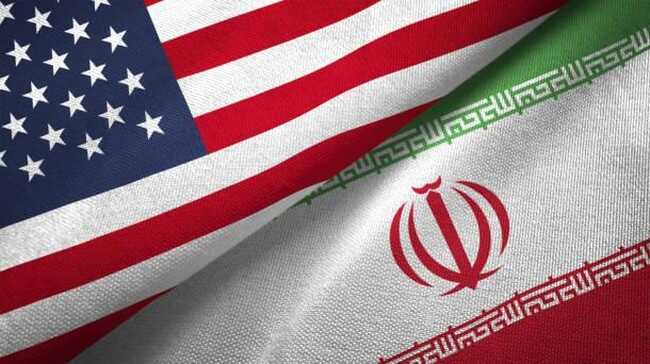
Iran and the US Resume Nuclear Talks, Tehran Sets Out Three Conditions
Jakarta, CNBC Indonesia - Iran has begun important negotiations with the United States regarding its nuclear programme on Thursday (26/2/2026). The Iranian government has affirmed that an agreement is still possible, provided that Washington adheres to three key conditions set by Tehran.
A number of Iranian diplomats have stated that the three conditions include the symbolic recognition of Iran’s right to enrich uranium, permission to reduce its stockpile of highly enriched uranium, and no demands for restrictions on Iran’s ballistic missile programme. However, it is unclear whether US President Donald Trump will agree to these parameters.
US Secretary of State Marco Rubio has previously stated that the issue of ballistic missiles is a major concern for Washington. “It will be a major problem if Iran is unwilling to negotiate on missiles,” said Rubio.
Meanwhile, US special envoy Steve Witkoff, along with Jared Kushner, is said to have accepted the basic principles in two previous rounds of indirect negotiations. They are scheduled to travel to Geneva to continue discussions.
A source close to the Iranian negotiating team said that the initial proposal from the US side was considered relatively lenient. However, there was no offer of direct sanctions relief, so Iran still faces economic pressure.
“The main request is only for restrictions on uranium enrichment below 5% and full diversion for peaceful use,” said the source, as quoted by The Guardian.
Ahead of the departure for Geneva, Iranian Foreign Minister Abbas Araghchi stated that Tehran’s target is to reach an agreement as soon as possible.
“Iran will never seek to develop nuclear weapons. However, we will also not give up our right to peaceful nuclear technology,” said Araghchi. “Reaching an agreement is possible, but only if diplomacy is prioritised.”
The statement comes amid strong rhetoric from Trump in a state of the union address, warning of the threat of Iranian ballistic missiles and again accusing Tehran of being a sponsor of terrorism. Trump also claimed that Iran is still pursuing nuclear weapons ambitions, an accusation strongly denied by the Iranian government.
Iranian Foreign Ministry spokesman Esmaeil Baqaei even compared Trump’s statements to the propaganda of Joseph Goebbels.
“Whatever they accuse us of is just a repetition of ‘big lies’,” Baqaei wrote on social media X.
The presence of Raphael Grossi, head of the UN nuclear watchdog, in the Geneva negotiations is also considered crucial. Grossi has the authority to assess whether the verification access offered by Iran meets international standards.
Iran is also said to be ready to help Trump claim that this new agreement is better than the 2015 nuclear deal reached during the Barack Obama era. This step is seen as important for US domestic political interests.
While the diplomatic process is underway, the domestic situation in Iran remains volatile. Student protests are reported to be continuing at a number of universities, almost two months after a wave of anti-government demonstrations broke out in various cities.
(luc/luc)