
Iran Allows 'Non-Hostile' Ships to Pass Through the Strait of Hormuz
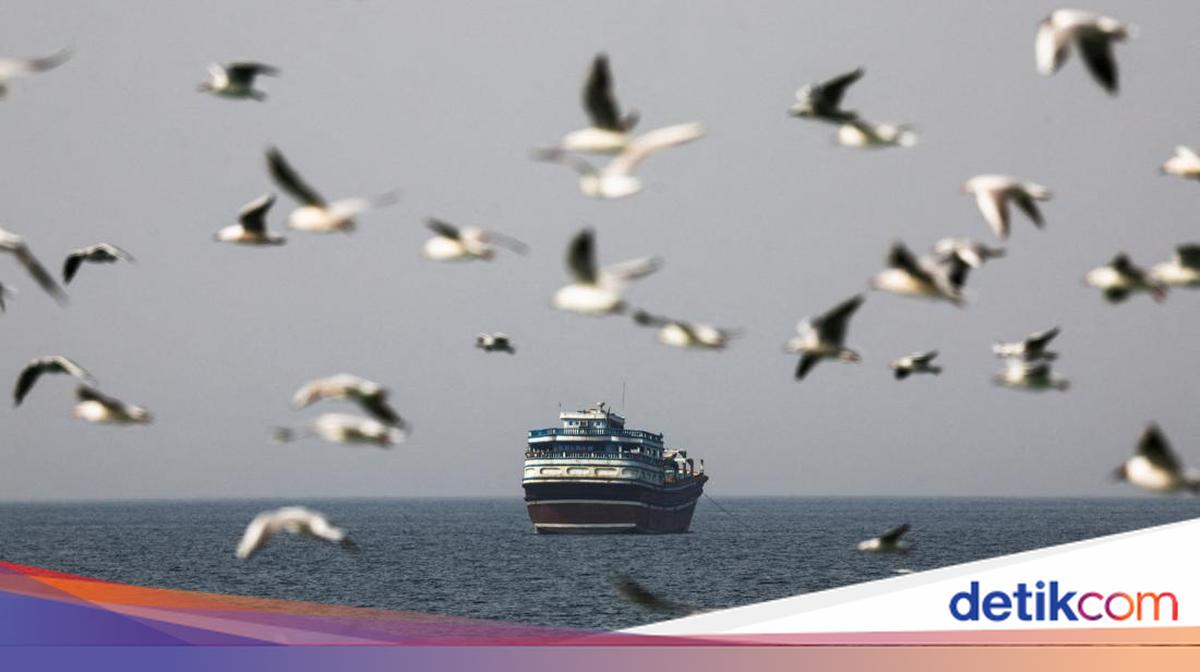
Iran has affirmed that “non-hostile” ships may pass through the Strait of Hormuz, on the condition that they do not engage in “aggressive” actions against Tehran.
The latest affirmation, as reported by Anadolu Agency on Wednesday (25/3/2026), was issued by Iran’s permanent diplomatic mission to the United Nations (UN) in a statement via social media platform X on Tuesday (24/3) local time.
“Non-hostile ships, including those owned or associated with other countries, may—provided they do not participate in or support aggressive actions against Iran and fully comply with the established safety and security regulations—benefit from safe passage through the Strait of Hormuz in coordination with the relevant Iranian authorities,” clarified Iran’s permanent mission to the UN.
This statement comes as tensions continue to rise in the Middle East region, following the launch of a large-scale joint attack by the United States (US) and Israel against Iran on 28 February.
A total of at least 1,340 people were killed as a result of the US-Israel attack barrages across various regions of Iran, including the country’s supreme leader, Ayatollah Ali Khamenei.
Tehran retaliated with waves of missile and drone attacks on targets in Israel and Gulf countries hosting US military assets.
At least 13 US soldiers in Gulf countries were killed due to Iran’s retaliatory attack barrages. Another 290 US soldiers were injured, with 10 of them sustaining serious injuries.
The Strait of Hormuz, a strategic waterway for global energy supplies, has been affected by the ongoing war. Before the war erupted, approximately 20 million barrels of global oil typically passed through the vital waterway every day.
As a result of the war, passage activity in the Strait of Hormuz has been effectively restricted since early March. This has triggered global disruptions that have increased shipping costs and driven up global oil prices.