
Iran Acknowledges Natanz Nuclear Facility Targeted in US-Israeli Attack
Iran has acknowledged that one of its nuclear facilities was targeted in an attack by the United States and Israel on Sunday, 1 March local time. The scale of damage from the assault and any potential hazards to the public remain unknown.
The confirmation was made by Iran’s Ambassador to the International Atomic Energy Agency (IAEA), Reza Najafi, during a meeting of the IAEA Board of Governors, comprising 35 nations, as reported by Reuters and Al Jazeera on Monday, 2 March 2026.
“They have again attacked Iran’s peaceful and protected nuclear facilities yesterday,” Najafi told journalists attending the IAEA forum.
When questioned by reporters about which nuclear facility was targeted, Najafi responded: “Natanz.”
However, Najafi provided no further details regarding the damage caused by the latest US and Israeli assault.
This marks the second time Natanz has been subjected to aerial bombardment. During a 12-day conflict in June of the previous year, Natanz—along with Fordow and Isfahan—was among three Iranian nuclear facilities targeted by US and Israeli bombing campaigns.
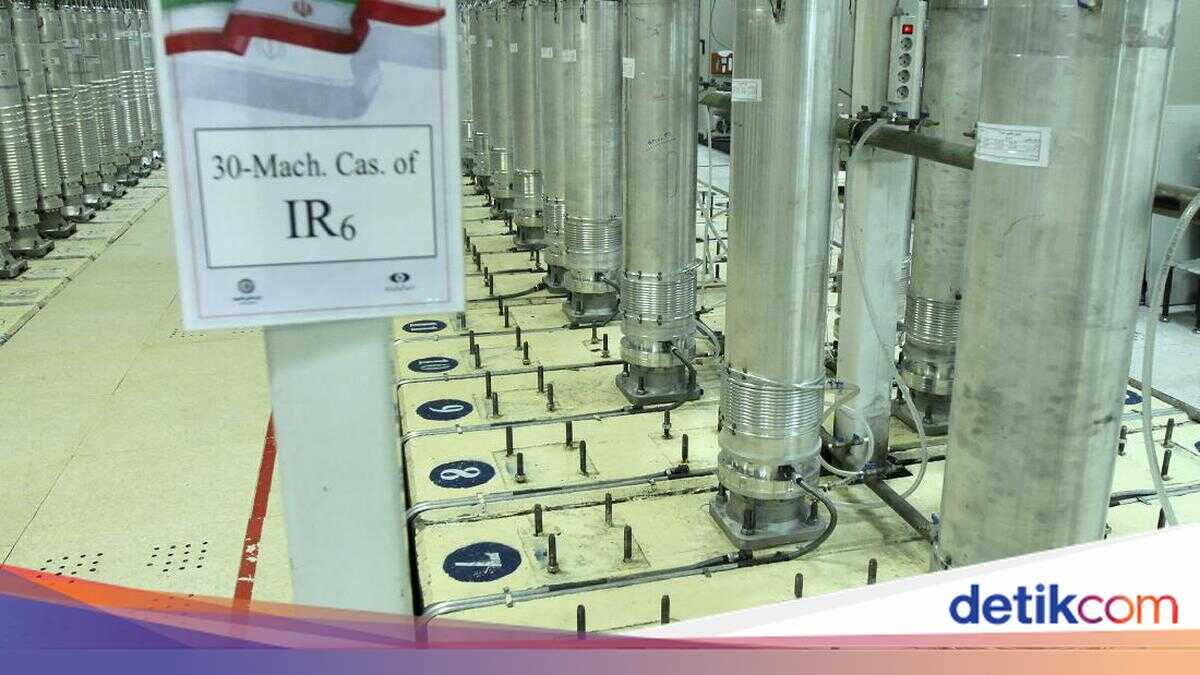
The Natanz nuclear facility is located approximately 250 kilometres south of Tehran and is recognised as Iran’s largest uranium enrichment complex. According to analysts, Natanz is utilised for assembling and developing centrifuges that convert uranium into nuclear fuel.
Based on information from the Nuclear Threat Initiative (NTI), Natanz comprises six above-ground buildings and three underground structures. Two of the underground buildings are capable of housing up to 50,000 centrifuges.
The facility has operated since 2003, and according to the IAEA, Iran has enriched uranium to 60 per cent purity at this location. By comparison, weapons-grade uranium is enriched to 90 per cent purity.
The previous year’s attack reportedly caused damage to the above-ground section of the Pilot Fuel Enrichment Plant at Natanz. As a result of that assault, the power supply to the underground floor at Natanz—the location of centrifuge storage—was temporarily severed. This measure was considered effective in disrupting underground operational systems.