
IPCC records 16% cargo growth driven by automotive exports
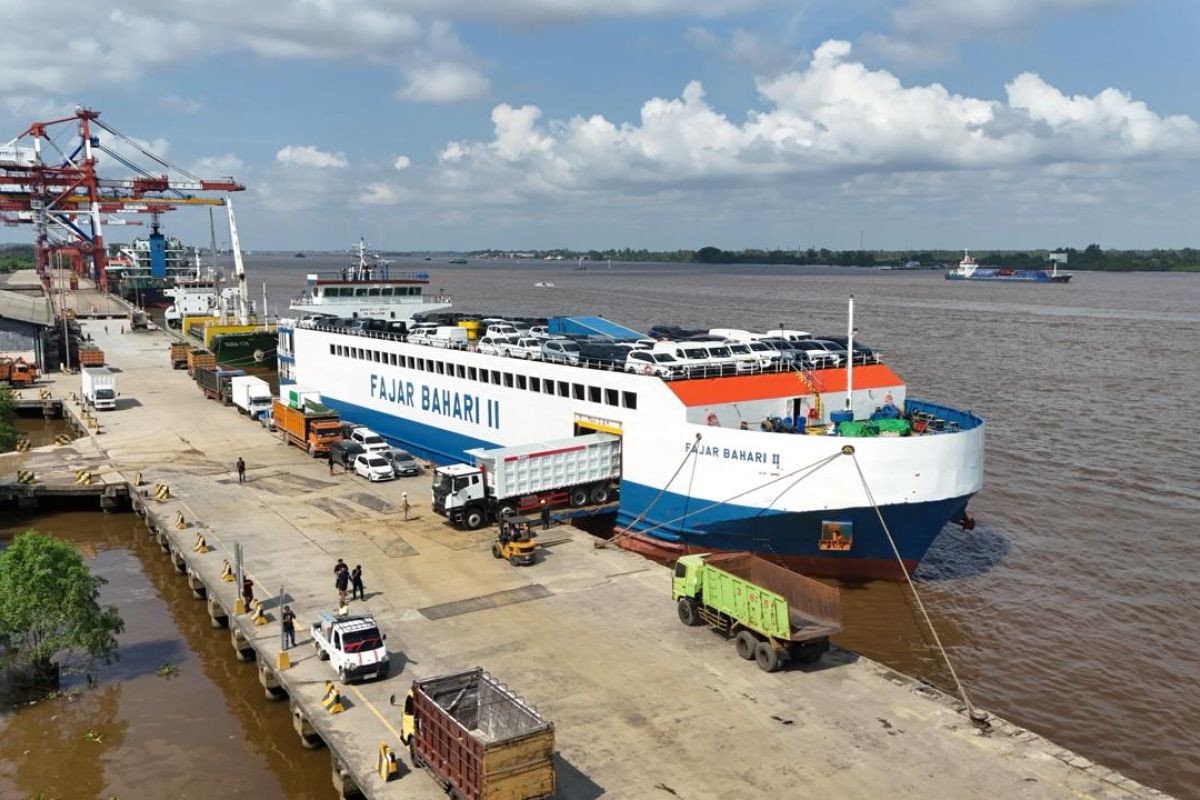
PT Indonesia Kendaraan Terminal Tbk (IPCC), a subsidiary of PT Pelindo Multi Terminal (Pelindo), reported operational growth at its Jakarta Branch and five Satellite Terminals (consolidated) in early Q2 2026. Cargo operations grew 16.01% year-on-year (YoY), or 56,260 units, up to April 2026, driven by Completely Built-Up (CBU) passenger vehicles, heavy machinery, buses and trucks.
‘We are committed to strengthening vehicle terminal capacity and service quality through adaptive, efficient, and sustainable operational transformations to support the national automotive supply chain,’ said IPCC President Director Sugeng Mulyadi in a statement on Saturday in Jakarta.
Operational growth reflects industry confidence in the company’s role as an international-standard vehicle terminal operator, capable of addressing domestic and global logistics demands.
Moving forward, he assured the company will continue to drive technology-based innovation, enhance service efficiency and cargo handling, and develop infrastructure aligned with the growth of the national automotive industry.
‘This step is also part of preparations to anticipate rising electric and hybrid vehicle flows dominating Indonesia’s automotive imports and exports, while supporting a more modern, integrated, and sustainable logistics ecosystem,’ Sugeng added.
According to the Monthly Production Report 2026, total shipcalls across all terminals reached 1,248 by April 2026, a 21.17% year-on-year increase from 1,030 in the same period in 2025.
‘The performance growth reflects the effectiveness of our strategies and strengthened customer engagement, maintaining strong trust, supported by improving global geopolitical stability which positively impacts Indonesia’s international cargo demand and distribution,’ Sugeng said.
Cargo growth across IPCC-managed terminals was evident across almost all segments.
Cumulative CBU volume reached 295,262 units by April 2026, growing 6.40% year-on-year or 17,750 units compared to the same period in 2025.
The truck and bus segment recorded a 59.10% year-on-year growth, with loading and unloading volume reaching 101,354 units – an increase of 37,648 units.
Meanwhile, heavy machinery volume grew 8.42% year-on-year from 10,232 to 11,094 units.
Furthermore, the company recorded positive progress in the electric vehicle segment, with EV volume rising from 2,329 units in January to 3,916 in April 2026, indicating growing eco-friendly vehicle flows handled by IPCC terminals.
By April 2026, the company also handled hybrid vehicles for export, reflecting a diversifying cargo trend as the automotive industry shifts towards electrification and sustainable energy use.
Service integration through Cargo Distribution Management (CDM), including Inland Transportation support, has enhanced the efficiency and structure of vehicle distribution chains from production sites to ports and vice versa.
The consolidated Satellite Terminals also contributed positively to overall performance.
Total consolidated Satellite Terminal volume reached 150,087 units by the first month of Q2 2026, growing 21.47% year-on-year from 123,554 units in the same period last year.
Meanwhile, the Jakarta Branch individually recorded 147,885 units in 2026 compared to 154,009 in 2025.
This indicates a volume distribution adjustment across IPCC’s terminal network, as part of efforts to optimise operational capacity evenly through operational transformation and digitalisation implementation.
‘Moving forward, terminal synergy and service efficiency enhancement will be key foundations for maintaining sustainable volume growth across the entire IPCC network,’ Sugeng said.