
IPB University Expert Warns of Contamination Risks in Sacrificial Meat Distribution
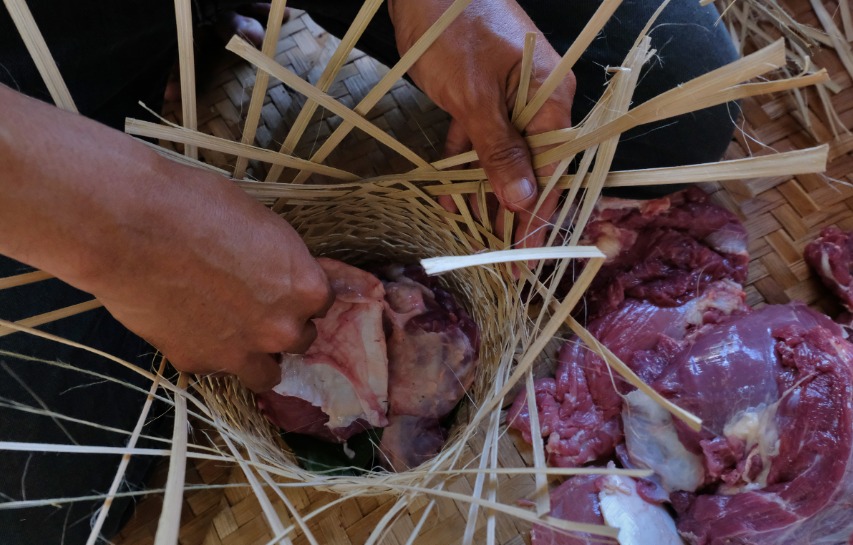
Dr Muhamad Baihaqi, a lecturer at IPB University’s Faculty of Animal Husbandry, has stressed the importance of hygienic handling of sacrificial animals to ensure meat remains safe for consumption until it reaches the public. According to Baihaqi, the slaughter and processing of sacrificial animals in the field are often conducted in open areas with minimal sanitation standards, increasing the risk of microbial contamination in the meat. “Slaughter and processing frequently occur in open areas without proper sanitation, heightening the risk of microbial contamination,” he said on Wednesday (26 May). Sacrificial committees must separate dirty areas such as slaughter and skinning zones from clean areas for cutting and packaging meat. This step is crucial to minimise microbial contamination during processing. Baihaqi also highlighted the practice of mixing meat and offal in the same container during packaging, which he said accelerates contamination and degrades meat quality. “Meat is often mixed with offal during packaging, which poses a high risk as offal can accelerate contamination,” he added. He advised that cut meat should be distributed promptly to beneficiaries. For recipients, Baihaqi recommended separating meat from offal and bones, cleaning it thoroughly, and storing it in a freezer if not to be cooked immediately. Baihaqi added that meat quality is also affected by the condition of livestock before slaughter. Therefore, proper transportation, adequate feed and water, and sufficient rest periods for animals must be considered to reduce stress. He also noted that sacrificial meat distribution should be swift as it typically lacks refrigeration. Prolonged exposure to room temperature risks quality degradation. Some sacrificial organisations are now innovating by processing meat into ready-to-eat products like canned rendang or dendeng. However, this requires higher costs and equipment compared to distributing raw meat. “Proper handling not only preserves meat quality but is also part of a responsible religious practice,” he said. (H-2) Sacrificial cattle distributed through Banyumas Regency’s administration weigh up to 1.1 tonnes and are sourced from local Banyumas farmers. The giant Simmental cattle were purchased from Teguh Topo (35), a cattle farmer in Ploso Village, Purwantoro Subdistrict, Wonogiri Regency. The President’s sacrificial cattle aid programme has not only social impacts but also direct economic benefits for local farmers. Residents of Huntara Mandiri, Kapalo Koto Village, Pauh Subdistrict, Padang, received five sacrificial cattle from various donors. The slaughter of sacrificial animals is one of the most anticipated moments for Muslims during Eid al-Adha celebrations. Various spice blends such as gulai, rawon, satay, and rendang seasonings are in high demand for cooking during the upcoming Eid festivities. The Jakarta Environmental Agency (DLH) has urged residents to adopt the EcoQurban concept during the 1446 Hijriah Eid al-Adha to reduce waste and environmental pollution. Palu City Government issued an edict urging all sacrificial committees in Palu to avoid single-use plastic bags when distributing meat. Comprehensive guidelines on neutralising fat after consuming sacrificial meat using green vegetables, high-fibre fruits, and proper hydration to manage cholesterol levels. Complete instructions for preparing sacrificial meat safely for hypertension and cholesterol patients, from cutting techniques to natural seasonings.