
IPB Rector Responds Positively to BGN's Push for Universities to Establish MBG Kitchens
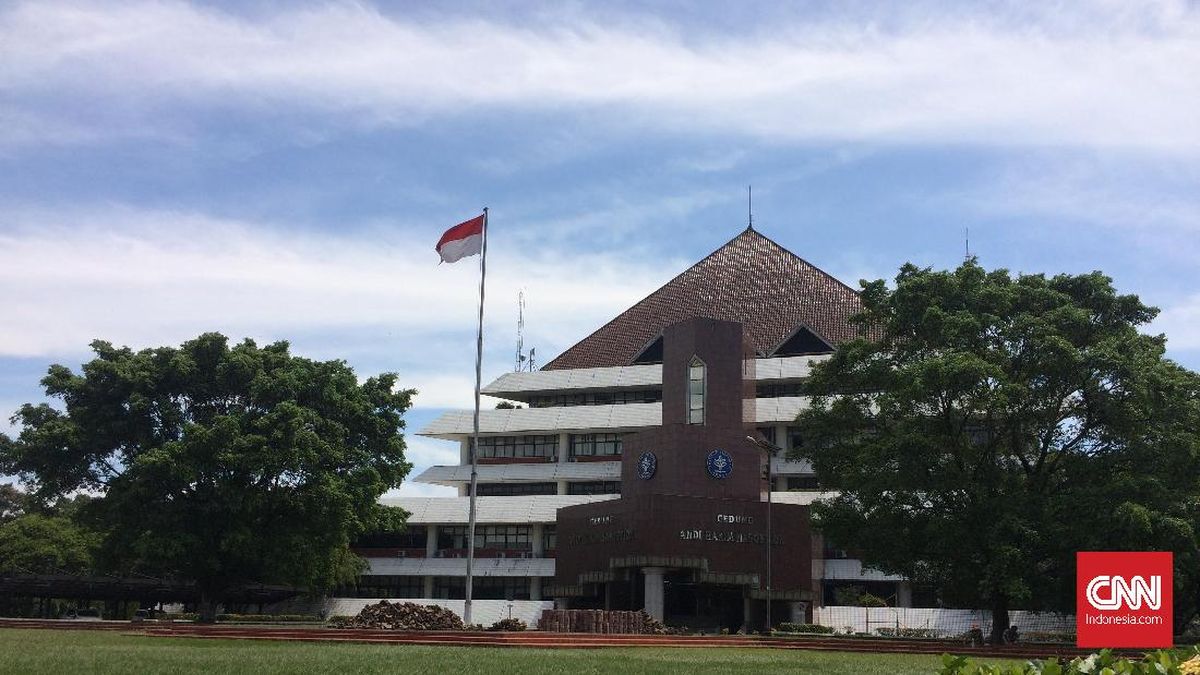
The Rector of IPB University, Alim Setiawan Slamet, has responded positively to the request from the National Nutrition Agency (BGN) for universities to build and manage nutritious free meal kitchens (MBG) or Nutrition Fulfilment Service Units (SPPG). According to Alim, this step demonstrates the government’s openness in involving campuses to support the MBG programme. “I think this is something very positive and worthy of appreciation for BGN’s openness, as the campus also wants to contribute to the success of the (MBG) programme,” Alim said at the Borobudur Hotel in Jakarta on Saturday (2/5). He assessed that the role of the campus is not limited to operating the kitchen but also building an integrated ecosystem from upstream to downstream. Thus, the SPPG built by the campus can become an integrated ecosystem involving farmers and supply chains supplied from the surrounding area. He explained that campus involvement also opens up opportunities to utilise SPPG as a direct learning facility for students. According to him, the facility can become a living laboratory or living lab, as well as a venue for experiential learning and real-time research for lecturers. Various campus innovations can also be applied, from kitchen energy efficiency, menu development, to improving food safety and quality standards, including waste management. Alim said that IPB is currently building an SPPG through their foundation. One unit is targeted to be completed in May, followed by another unit in June. Both are located in Bogor. He added that since last year, IPB has been tasked by the National Development Planning Agency (Bappenas) as a centre of excellence in food and nutrition fulfilment for the MBG programme. “We are collaborating with various ministries and also supported by UNICEF and BGN,” Alim stated. Through this role, IPB is involved in training, module preparation, and MBG implementation guidelines. In addition, the campus also serves as a partner to BGN in conducting studies and research related to the programme. The Head of BGN, Dadan Handayana, directly requested universities to build and manage SPPG kitchens independently to support the MBG programme. “I think the campus needs to understand this, because this is a big opportunity. At minimum, have one SPPG first, and if possible, the supplies come from the academic community itself,” Dadan said in an official statement in Makassar on Tuesday (28/4). Dadan said that one SPPG unit requires support for large quantities of food supplies. For rice needs, one SPPG requires about 8 hectares of paddy fields. Meanwhile, for livestock feed needs, about 19 hectares of maize land is required. In addition, the daily egg needs for one SPPG also require around 3,700 to 4,000 laying hens. “If you want the eggs supplied yourself, then there must be around 3,700 to 4,000 laying hens for one SPPG,” he said. According to Dadan, these needs can be met through the involvement of the academic community or cooperation with farmers, breeders, and businesses around the campus. He stated that the campus can make SPPG management part of students’ field practice activities, from agriculture, livestock, food processing, to distribution. In this way, he said, SPPG not only functions as a kitchen providing nutritious food but also as a place to implement academic activities related to the food supply chain.