
IPB Promotes Utilisation of Palm Oil Waste into Economically Valuable Products
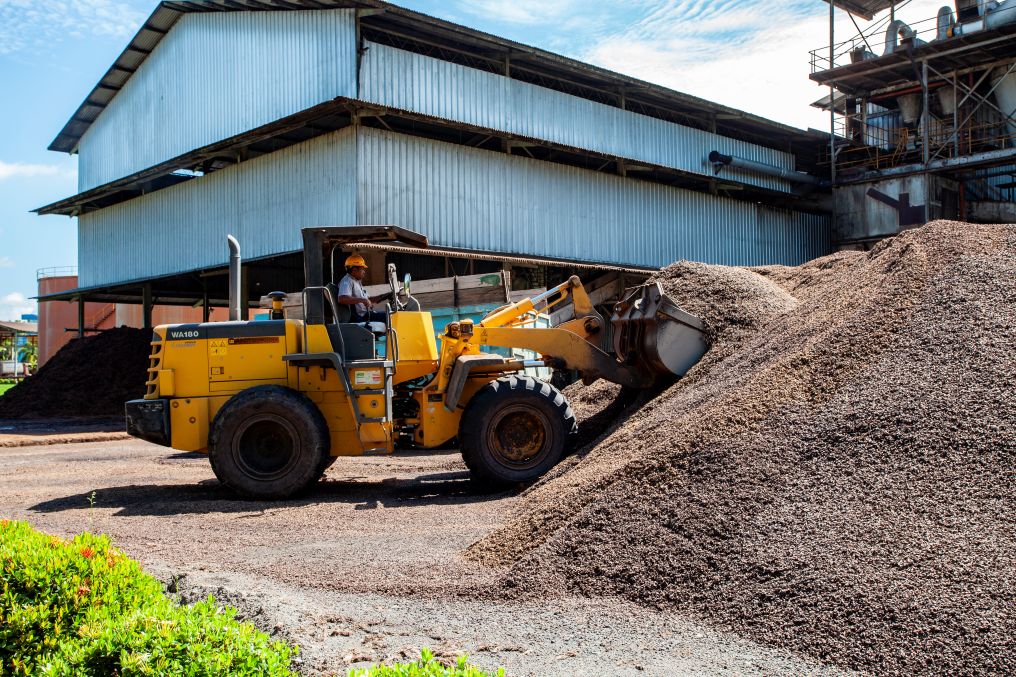
Bogor Agricultural University (IPB) is promoting the utilisation of palm oil waste to create value-added products in order to support the circular economy and maintain environmental sustainability. This is considered crucial given the abundance of palm oil waste in Indonesia as one of the world’s major producers.
Professor from the Faculty of Forestry at IPB University, Yanto Santosa, stated that palm oil waste has significant potential to be processed into various high economic value products through the application of appropriate technology.
“Palm oil waste has great potential to be utilised into products that have added economic value,” said Yanto in his statement in Jakarta on Sunday (22/3).
According to him, optimal management of palm oil waste not only increases economic added value but also opens up new business opportunities, supports the circular economy concept, and produces renewable energy. Conversely, if not managed properly, the waste could potentially cause environmental problems.
Yanto emphasised that palm oil is a strategic national commodity with zero waste characteristics. All parts of the palm plant, from upstream to downstream, can be processed into beneficial products for human needs. “The utilisation of palm oil waste provides many important benefits,” he said.
He also stressed the importance of the government’s role in promoting the zero waste concept in the palm oil sector. According to him, optimising the utilisation of waste requires policy support that encourages the use of all production outputs without leaving polluting waste.
In addition, Yanto urged the Plantation Fund Management Agency (BPDP) to strengthen collaboration with various research institutions to produce innovations in palm oil waste management. “Collaboration between BPDP and research institutions will provide various benefits,” he said.
CIRCULAR ECONOMY CONCEPT
Meanwhile, the Executive Director of the Palm Oil Agribusiness Strategic Policy Institute (PASPI), Tungkot Sipayung, assessed that the utilisation of palm oil by-products demonstrates that the national palm oil industry has implemented the circular economy concept and is zero waste.
He considered the term “waste” inappropriate for palm oil derivatives, as most have economic value. “What is more appropriate is the main products such as CPO and CPKO, as well as by-products that are often called waste. There are many types of these by-products from the plantation level to downstream,” said Tungkot.
However, he revealed that to date, many palm oil by-products are still categorised as waste under environmental regulations, even some falling into the category of hazardous and toxic waste (B3). This is seen as an obstacle in the commercialisation process because it requires special permits and treatment. “Yet, all of them come from organic materials,” he said.
Tungkot believes that if these regulations are reviewed, the industry for utilising palm oil by-products will develop rapidly and be able to produce various high-value-added products.
According to him, developing this industry not only increases the country’s foreign exchange but also opens up employment opportunities and reduces the carbon footprint from palm oil products.
“The calculation of palm oil product emissions will be even lower, so the palm oil industry as a whole becomes a low-carbon and renewable product,” he concluded.