
IPB Expert Highlights Potential of Palm Oil Mill Effluent to Reduce Import Dependency
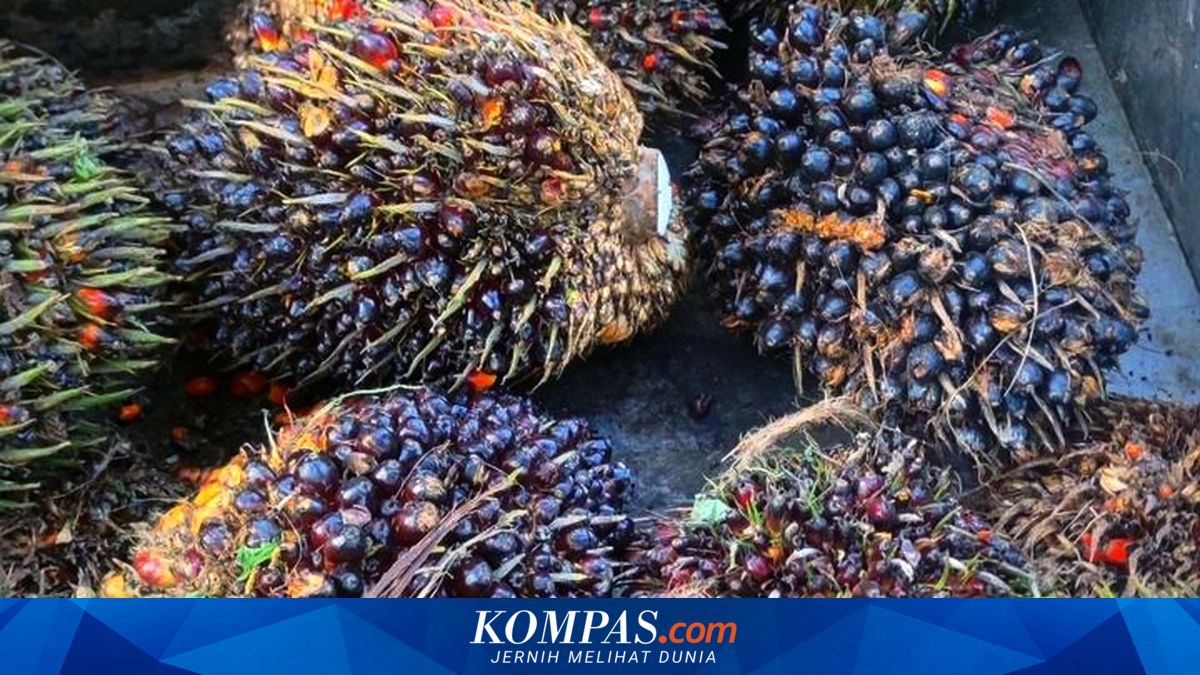
JAKARTA, KOMPAS.com - The utilisation of liquid waste from palm oil mills (LCPKS) is considered a strategy to reduce Indonesia’s dependence on imported chemical fertilisers. IPB University soil science expert Basuki Sumawinata stated that the potential of palm oil waste is very substantial. Production of 50 million tonnes of palm oil generates approximately 100 million tonnes of LCPKS per year. This waste has an average Biological Oxygen Demand (BOD) of 25,000 ppm. BOD is a measure of the amount of dissolved oxygen used by microorganisms to break down organic material. “If managed with the right scientific approach, this waste has the potential to replace part of the need for chemical fertilisers, which has so far relied on imports. LCPKS contains complete nutrients such as nitrogen, phosphorus, potassium, calcium, magnesium, and micronutrients. This is a very valuable natural source of nutrition for palm plantations,” Basuki said in a press release on Sunday (12/4/2026). Soil without organic matter will lose its biological carrying capacity. This condition reduces plantation productivity in the long term. Basuki assessed that processing LCPKS to very low BOD levels, such as below 100 mg/l, actually eliminates its economic value. At this level, almost all organic carbon is lost, so it no longer functions as a fertiliser. “If applied (BOD below 100 mg/l) to all LCPKS in Indonesia, it can be seen as a waste of state funds because almost all of Indonesia’s fertiliser needs come from imports,” he said. This approach is considered not in line with circular economy principles. This system encourages the reuse of nutrients in the production process. Basuki also warned that LCPKS with low BOD is not necessarily safe. The liquid can still contain ammonia or nitrate that is harmful to aquatic life. The risk increases if the river water volume is insufficient for dilution. The management model considered more appropriate is to process LCPKS to a BOD of around 3,000 to 5,000 mg/l before applying it to the land. At this level, organic material is still available and sufficiently stable. The risk of odour and environmental disturbances is also lower. Returning organic nutrients to the plantation is key to maintaining soil health. Without a supply of organic carbon from palm oil waste, soil organic matter levels will continue to decline. Alternative sources of organic matter are considered limited.