
IPB Alumni Association Develops Supply Chain Business for Free Nutritious Meals Programme
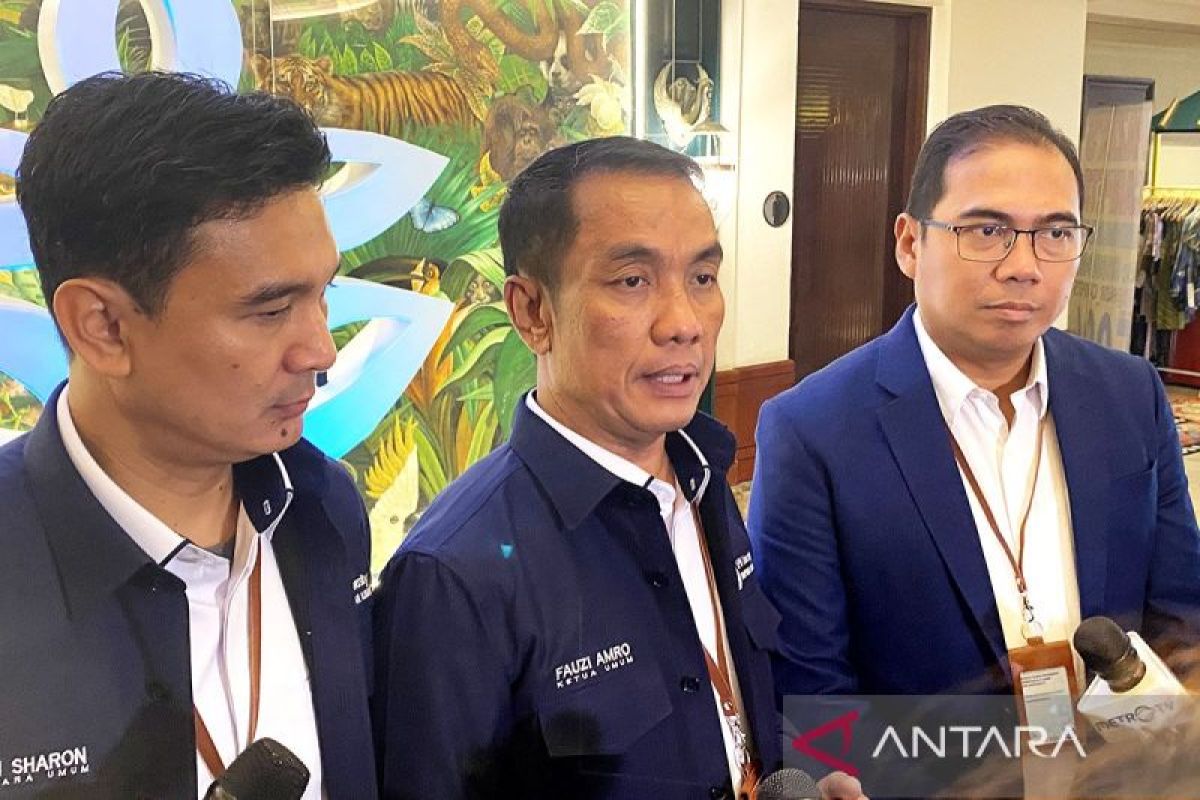
Jakarta (ANTARA) - The Himpunan Alumni Institut Pertanian Bogor (HA IPB) is prepared to develop a supply chain business for the Free Nutritious Meals (MBG) programme as part of HA IPB’s initiatives to support national needs while strengthening a sustainable business ecosystem. HA IPB General Chairman Fauzi Amro stated that the HA IPB board will create a supply chain business role model located in Bogor Regency as soon as possible. “We will create a supply chain business role model in Bogor Regency. We guarantee the supply chain for MBG; the land is already 5 hectares. After the inauguration (of the HA IPB board), we will immediately break ground,” Fauzi said at the “IPB Alumni Synergy for the Nation” event in Jakarta on Saturday. According to him, this model is expected to be duplicated by HA IPB Regional Leadership Councils (DPD) and Branch Management Councils (DPC) if it proves successful. “Because IPB alumni not only handle the kitchen (MBG), but also the supply. I know there are many kitchen players here, owners of SPPG here,” Fauzi remarked. When asked by reporters for more details on the programme, Fauzi explained that it aligns with the government’s food security cluster focus, followed by strengthening the supply chain to meet MBG needs. He also mentioned that they have coordinated with the IPB Rector, the Ministry of National Development Planning/National Development Planning Agency (Kementerian PPN/Bappenas), and the Coordinating Ministry for Food Affairs (Kemenko Pangan) to realise this supply chain role model. “What is the MBG supply chain? It’s commodities like eggs, chicken, corn, basic needs like that, including rice and milk. We hope the supply chain role model that we will make as a pilot project in Bogor Regency can become a role model for provinces and regencies/cities,” Fauzi clarified. In response to questions about the cooperation scheme with farmers and planters, he stated that they will act as an offtaker absorbing production outputs to be channelled for MBG needs. He assessed that the existence of this supply chain is important, especially in supporting cooperatives that already have distribution infrastructure but lack integrated suppliers. Regarding the implementation timeline, he assured that the programme will start soon because the land and location are available, and initial planning has been prepared. Fauzi also emphasised that the main challenge in implementing the MBG programme is no longer building the Nutrition Fulfilment Service Unit Kitchens (SPPG), but ensuring the availability of supply that must continuously increase as the number of kitchens grows. “This supply does not disrupt the existing needs of the community, but there is a special supply. IPB and IPB Alumni are ready to facilitate it,” Fauzi said.