
Investment Minister to Focus on Seaweed Industry Development for Downstream Processing
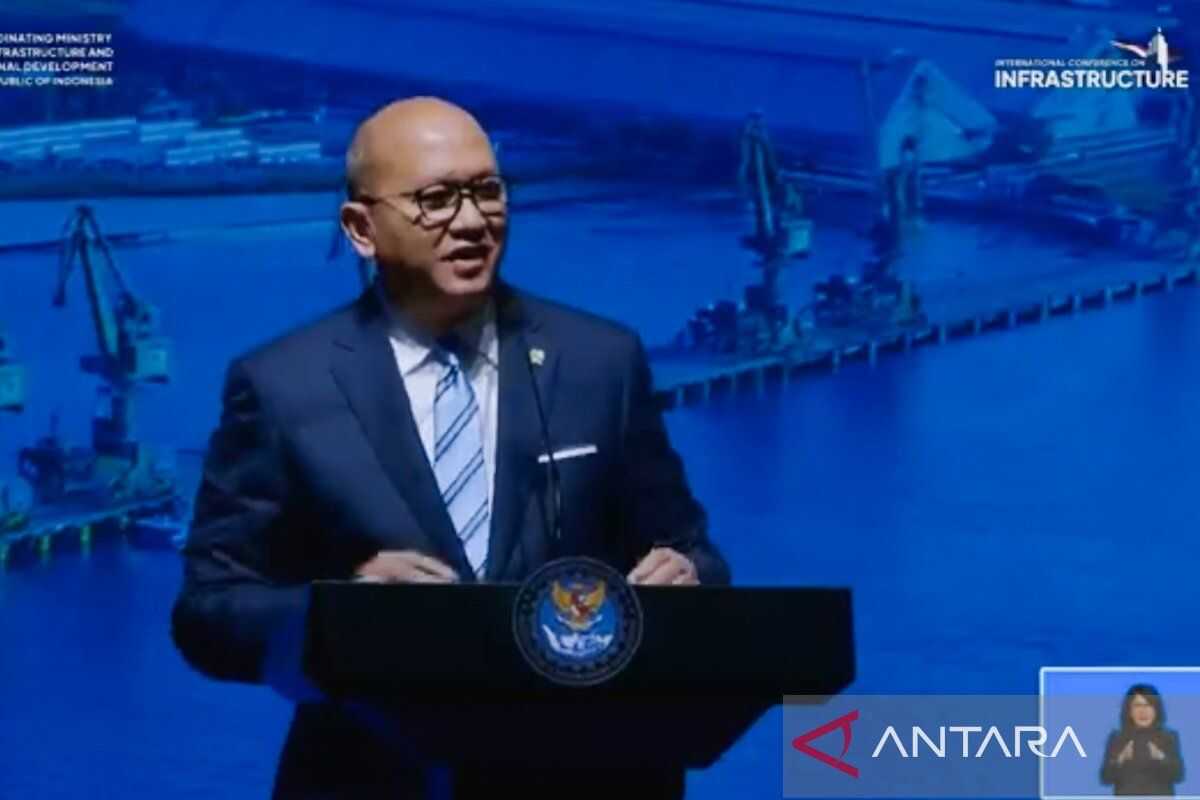
Jakarta (ANTARA) - Investment and Downstream Processing Minister/BKPM Head Rosan Perkasa Roeslani has affirmed that seaweed industry development will be a strategic focus to strengthen downstream processing and support the welfare of coastal commodity farmers across Indonesia.
“We will also focus on the seaweed industry,” Rosan said during the International Conference on Infrastructure (ICI) 2025, monitored online via the Coordinating Ministry for Infrastructure and Regional Development’s YouTube channel in Jakarta on Thursday.
Rosan noted that Indonesia is currently the world’s second-largest seaweed producer, presenting significant potential to boost the commodity’s added value through processing and developing industries based on local raw materials.
He explained that his ministry is not only tasked with promoting investment but also leads industrial downstream processing programmes to create economic multiplier effects from flagship commodities such as nickel, coconut, and seaweed.
According to Rosan, his ministry has mapped 23 priority commodities with potential for enhanced added value, though in the near term efforts will concentrate on four to five key commodities first.
One commodity where downstream processing is already underway is nickel, with Indonesia holding the world’s largest nickel reserves at 42 per cent of the global total. The majority of national nickel reserves are spread across Sulawesi and Maluku, with development being accelerated to increase exports of value-added products and create new employment opportunities in the regions.
Previously, the Ministry of Marine Affairs and Fisheries (KKP) promoted downstream processing of non-hydrocolloid seaweed through product diversification to strengthen added value, competitiveness, and domestic processing industry development.
KKP Director General for Strengthening Marine and Fisheries Product Competitiveness Tornanda Syaifullah emphasised the need to drive innovation in non-hydrocolloid seaweed processed products such as nutritional supplements, animal feed, biostimulants, bioplastics, cosmetics, and environmentally friendly packaging materials.
“This downstream processing will open up promising business opportunities,” Tornanda said when contacted in Jakarta on Friday.
According to him, the global market for non-hydrocolloid seaweed products such as biostimulants and animal feed holds significant potential, with projected value reaching US$4.36 billion in 2024 according to Precedence Research, and forecast to grow to US$12.85 billion by 2034 (CAGR of 11.42 per cent). This growth is driven by increasing demand for sustainable agricultural practices.
The World Bank predicts the non-hydrocolloid seaweed market, particularly for animal feed, will reach US$1.2 billion by 2030 and US$6.4 billion by 2050.
“KKP will contribute by preparing input for the roadmap and national action plan for integrated seaweed industry development 2025–2029,” he said.