
Investment in Electric Public Transport, DPR: Indonesia Can Minimise Energy Crisis
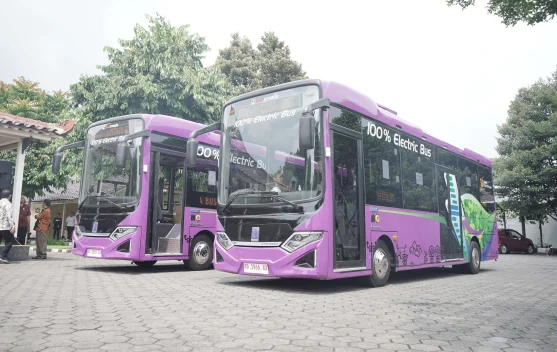
Deputy Chairman of DPR Commission V, Syaiful Huda, has emphasised that investment in public transport constitutes a long-term energy investment. Therefore, it is crucial for the government to realise public transport that utilises renewable energy or electricity.
“Indonesia can minimise the impact of the energy crisis. At the same time, keeping the wheels of the economy turning amid geopolitical uncertainties,” said the PKB politician in his press statement in Jakarta on Monday, 6 April 2026.
This firm statement from the PKB politician also responds to the escalation of conflict in the Middle East, which has led to the closure of the Strait of Hormuz. This situation has the potential to trigger a surge in global energy prices and threaten domestic economic stability.
“The energy crisis we are facing at the moment is the perfect opportunity to reform mass transportation. Serious and sustainable reform,” said Huda.
Furthermore, Huda emphasised that Indonesia’s dependence on private vehicles using fossil fuels makes national resilience highly vulnerable to fluctuations in world oil prices.
Therefore, according to him, reforming mass transportation is no longer merely an issue of urban comfort. Rather, it is a strategy for defending national energy sovereignty.
“There must be a clear roadmap. So that public transport in Indonesia truly becomes the backbone of comfortable, affordable transportation that reaches all areas,” said Huda.
Previously reported, the Minister of Home Affairs, Tito Karnavian, emphasised that the work-from-home policy for civil servants must not be exploited as a long holiday. Instead, this step is part of a cultural transformation in work while supporting energy efficiency in the government environment.
Tito said this policy is not merely about providing flexibility to work from home. The government wants to ensure that civil servants continue to carry out their duties optimally even if not in the office.
To ensure its implementation runs according to the rules, the government will tighten the monitoring system. One of them is the use of location-based technology or geo-location.
“We can assure that civil servants are truly carrying out work-from-home and then their mobile phones are also required to be active. So that their location can be known through geo-location,” said Tito in his statement in Jakarta on Thursday, 2 April 2026.