
Introducing Plumadraco, the playful ancient bird with a dragon-like tail
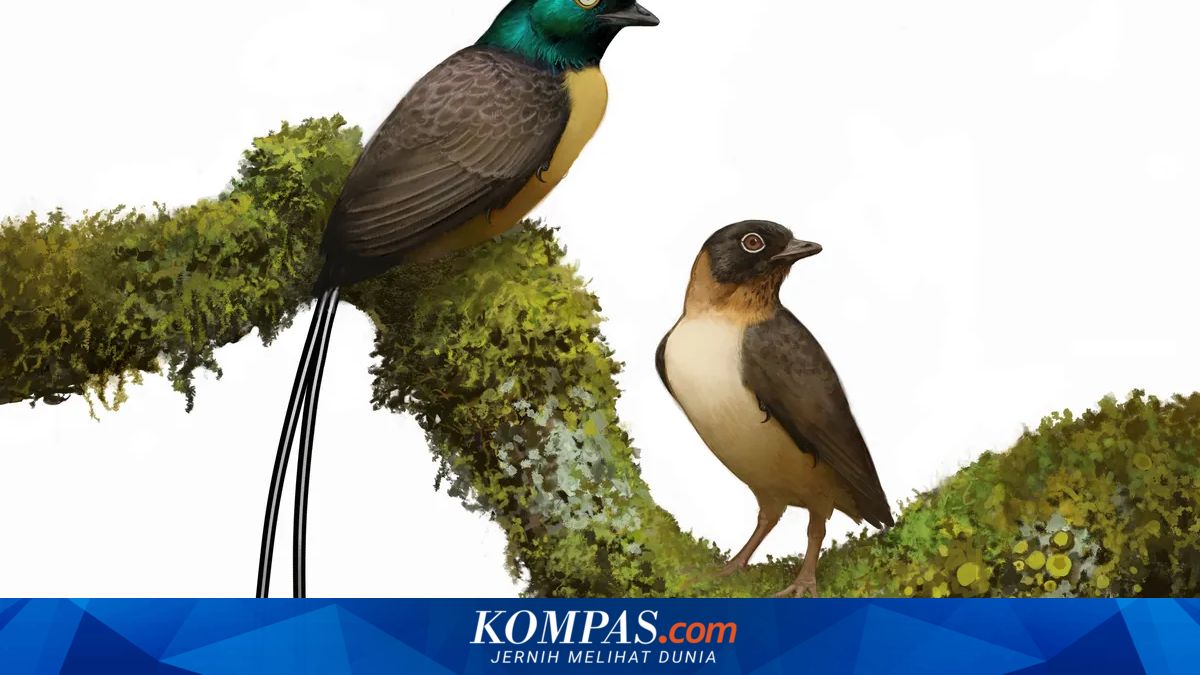
How do you win over someone you fancy? A romantic gesture or a bouquet of red roses? In the bird world, the answer is simpler yet physically demanding: showing off tail feathers. A recent study of prehistoric bird fossils proves this ancient courtship ritual dates back 121 million years. The bird, belonging to the enantiornithines group—large prehistoric birds that lived during the Cretaceous period and went extinct alongside dinosaurs after an asteroid impact 66 million years ago—surprised researchers with its body proportions. Measuring just 15 centimetres from beak to rump—roughly the size of an American robin or sparrow—the male’s ornamental tail feathers extended nearly 30 centimetres, twice its body length. ‘Plumadraco is about the size of an American robin, but its tail feathers are about a foot (30 cm) long, twice its body length,’ said Alex Clark, lead researcher and PhD candidate at the Field Museum andUniversity of Chicago, in a statement cited by IFLScience. Clark added that this is one of the longest proportionally tail feathers ever found in bird fossils. ‘This specimen provides strong evidence that ancient males didn’t just use feather ornaments to attract females, but also with extraordinary length, likely through courtship dances,’ he added. The fossil, preserved at the Tianyu Shandong Museum in China, is exceptionally well preserved. Using mass spectrometry technology, the research team reconstructed the original colours of the tail feathers based on residual chemical compounds. Analysis showed Plumadraco’s body feathers were likely dark brown or black, while the tips of its elongated tail feathers displayed iridescence, a shimmering blue sheen when exposed to light, similar to modern peacock feathers. Uniquely, the bone and muscle structure in the fossil indicates the oversized tail feathers were not used for flight. Instead, they were designed to be flicked or swayed to attract females. ‘It’s a great honour in palaeontology to introduce a new organism, a new individual, to our species (humankind),’ Clark concluded. ‘This creature hasn’t seen the sun for over 121 million years, and now you’re reading about it. It makes me very happy. It’s like shaking hands between the public and dinosaurs.’