
Interpreting the "economy" of Eid amid the global geopolitical storm
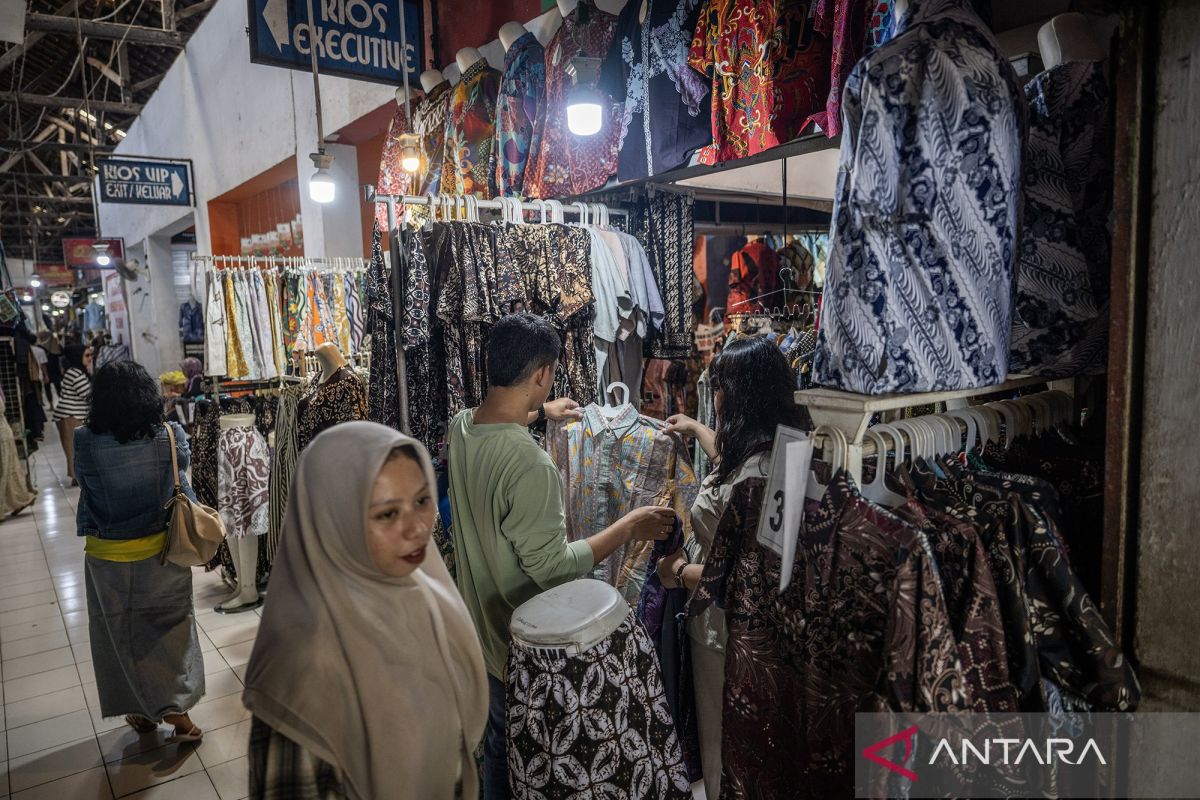
If managed well, Eid can serve as a foundation for building a more inclusive, resilient, and sustainable economy. Jakarta (ANTARA) - Eid al-Fitr 1447 H arrives in a situation that is not entirely friendly. The global landscape is still overshadowed by geopolitical tensions involving the United States, Israel, and Iran, which are triggering fluctuations in energy prices while eroding the confidence of global market players. In such a situation, Indonesia welcomes Eid 2026 with a more measured attitude, not in the shadow of pessimism, but within a framework of mature realism and full caution. Amid this global uncertainty, Eid remains a unique force in Indonesia’s economy. For decades, Eid al-Fitr has functioned as the most organic economic redistribution engine. Homecoming activities are not just human movement, but also economic circulation that reaches the lowest layers. Studies by the Central Statistics Agency (BPS) show that homecoming contributes around 1.5 percent to annual national economic growth, with household consumption increasing 15 to 20 percent compared to normal months. These figures illustrate the significant economic impact of what has long been considered a social tradition. This economic circulation is felt tangibly in various regions. From street vendors to MSME entrepreneurs, Eid becomes a moment that opens broader economic opportunities. Economic activities increase, transactions speed up, and the informal sector gains room to grow. In many cases, Eid even becomes a supporting point for household economies that have been under pressure throughout the year. However, this strength does not come without critical notes. Eid 2026 arrives with more complex pressures than previous years.