
International Women's Day: IYCTC highlights cigarette industry's strategies targeting women
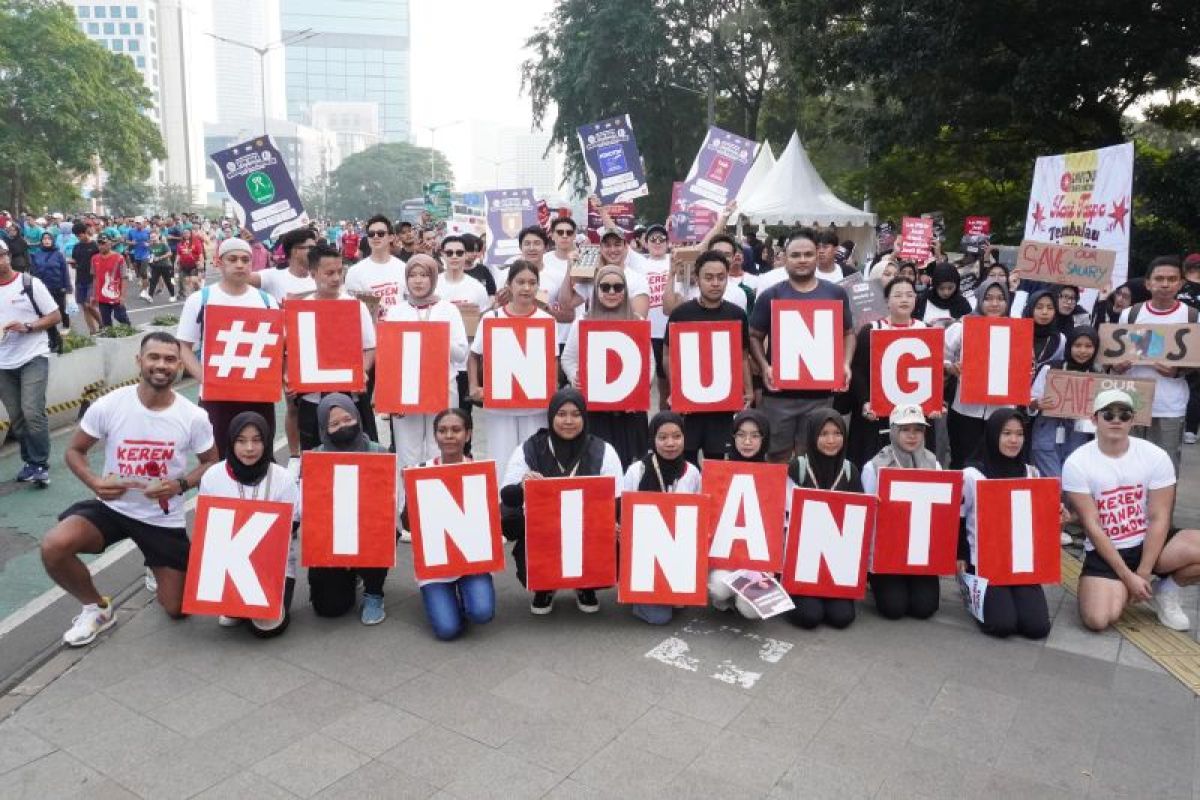
Jakarta — On International Women’s Day, the Indonesian Youth Council for Tactical Changes (IYCTC) says it highlights health risks for women and families arising from manipulative strategies of tobacco industry players. Program Manager IYCTC Ni Made Shellasih explained in Jakarta on Sunday that women’s advancement will not be optimal while the tobacco industry continues to exploit women’s identities and worsen the burden of domestic economies. “The industry is highly orchestrated in how it designs its products. They arrange things so that cigarettes feel less harsh on the throat or by adding certain aromas to create the illusion that the product is safer. In reality, these modifications are purely marketing tactics to broaden the market to women who were previously non-smokers,” Shella said. Referring to internal tobacco industry documents published in Carpenter et al. (2005), the industry deliberately modifies cigarette parameters, such as aroma, nicotine content, and a smoother puffing sensation so as to be more easily accepted by women. Shella added that this manipulation carried on into the domestic sphere and eroded family welfare. With the fact that one in two men in Indonesia is a smoker, she said, millions of women are trapped as passive smokers who are at high health risk, while also becoming managers of the economic crisis in their own households because their shopping budgets are drained by these harmful products. In agreement, IYCTC Policy Analysis Expert Team member Tifany Khalisa stressed that current regulations should be capable of countering the aggressiveness of an industry that has for a long time mapped women as its target. “Policy-wise, we do have Government Regulation (PP) 28/2024 on Health, but if its derivatives still allow gaps in the use of flavours or advertising that ties smoking to a modern lifestyle for women, then this regulation is not yet effective in protecting women from the industry tactics that are already highly sophisticated,” Tiffany said. “We must remember that under the Tobacco Excise Law of 2007, the main function of excise is to control the consumption of products with broad negative impacts. Cigarettes are a clear example where consumption harms people around and weighs on the state. So a significant rise in Tobacco Excise (CHT) is needed so that cigarette prices become expensive and no longer ‘cheap’,” she said. If prices are high, she said, then children and the economically underprivileged will not access cigarettes as easily, and money can be saved for more important needs, namely education and family nutrition. Edginne Nadia from the Center for Indonesian Medical Students’ Activities (CIMSA) gave a sharp warning on the biological impact if women continue to be targeted by the industry. “Medically, exposure to chemicals in cigarettes designed to be ‘smooth’ actually allows toxins to enter the respiratory system and the bloodstream more easily. For women, this impact is very specific, ranging from menstrual cycle disturbances, reduced fertility, increased risk of cervical and breast cancer far higher,” she said. Moreover, Edginne added, there are risks to reproductive health such as pregnancy complications and low birth weight.