
International Women's Day 2026: Theme, History and How to Celebrate It
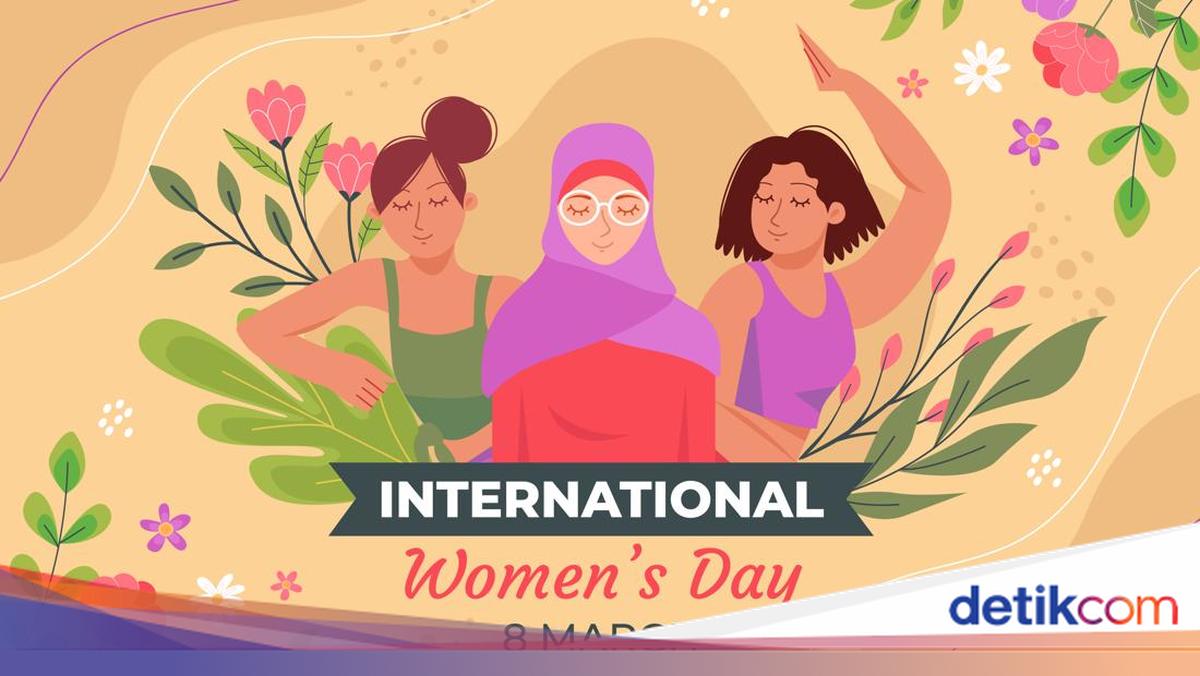
International Women’s Day is a global observance held on 8 March each year. The aim is to remind that gender equality is a crucial cause to be pursued. It is a space for women to express their views on issues such as pay gaps, sexual violence, access to education, involvement in politics, and more. Each year, the observance always carries a different theme with its own important message.
Theme for International Women’s Day 2026
The theme for 2026 is ‘Give To Gain’—in Indonesian: ‘Memberi untuk Mendapatkan’. The theme promotes a simple yet profound idea: when we give, we also gain. It invites society to make International Women’s Day a major annual occasion; the more people participate, the more care for women is expected to emerge.
Meaning and Key Messages of International Women’s Day 2026
The meaning of International Women’s Day 2026 emphasises the importance of global solidarity and concrete action. Through the observance, we are reminded that the struggle for women’s rights is a sustained commitment that should be voiced every day, not merely during the annual celebration.
A key message in the ‘Give To Gain’ theme is that change begins with small steps. By giving well, it is hoped that women can receive good things too. Moreover, International Women’s Day serves as a reminder that the fight for women’s rights cannot be carried out alone; there must be support from many parties to realise a life of dignity for women.
Brief History of International Women’s Day
The issue of women’s rights began to be raised in the early 1900s when industry expanded and with it exploitation and inequality of workers. According to the International Women’s Day website and the United Nations, in 1908 about 15,000 women demonstrated in New York, United States, demanding shorter working hours and better pay.
Then in 1910, the International Conference of Working Women was held in Copenhagen. The conference approved the establishment of a day to be observed worldwide. This was realised the following year, namely 1911, in various countries such as Austria, Denmark, Germany, and Switzerland on 19 March.
In 1917, Russian women staged the ‘Bread and Peace’ demonstration which culminated in the granting of voting rights to women in Russia. This became the starting point for designating 8 March as the date of International Women’s Day.
In 1975, the United Nations officially recognised International Women’s Day. Since 1996, the UN has applied annual themes to the celebration.
To this day, International Women’s Day continues to be celebrated every year through various activities. Each country has its own distinctive way of celebrating the day, but the goal remains the same: to realise justice for all women worldwide.
Ways to Celebrate International Women’s Day
Every woman around the world celebrates International Women’s Day with a variety of activities. Quoted from the University of Colorado Denver, here are some ways to celebrate International Women’s Day that are practised in different countries around the world and could inspire Indonesians to join in.
- Taking part in peaceful actions and solidarity marches
In many countries, particularly in Latin America and Africa, International Women’s Day is observed with street actions to voice opposition to gender-based violence, inequality, and injustice.
Thousands to hundreds of women take to the streets to voice their rights. These marches are usually filled with posters, speeches, and symbols of the struggle. These actions are not merely celebrations but also a form of pressure on governments and related institutions to act concretely to protect women.
- Organising discussions, seminars, and educational forums
Other ways to celebrate International Women’s Day, especially within organisations, communities, and campuses, is to hold public discussions and seminars. Topics can include reproductive rights, women’s participation in politics, and violence against women.
These discussion forums are not merely social gatherings. They serve as platforms for discussing these issues and raising awareness.
- [Undeveloped content]