
Intermittent Fasting vs. Calorie Deficit: Which is More Effective for Weight Loss?
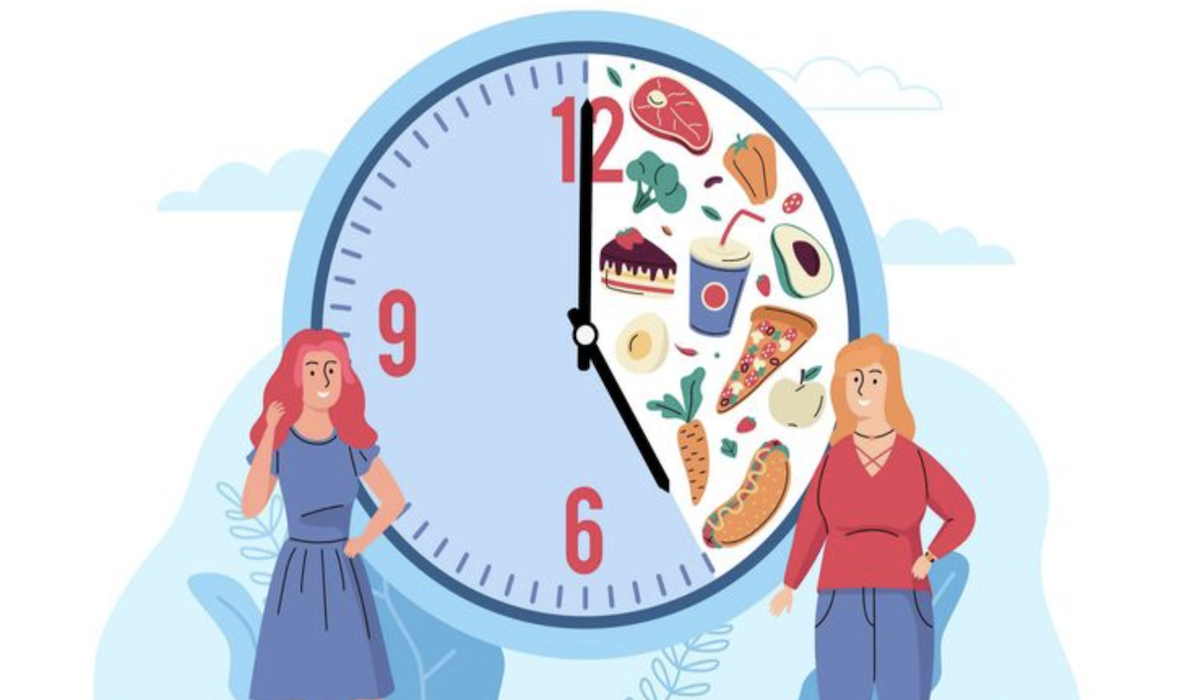
The intermittent fasting (IF) method has long been lauded as a practical solution for weight loss without having to strictly count calories. However, a major international review published in the prestigious Cochrane Reviews journal suggests that this method may not be as miraculous as many people imagine. Researchers from Rutgers School of Public Health in the United States and the University of Düsseldorf Medical School in Germany analyzed 22 randomized controlled trials involving 1,995 participants. This research compared various fasting approaches, including time-restricted eating, alternate-day fasting, and the 5:2 pattern. The results of the study show that over a period of six to twelve months, those who practiced intermittent fasting lost an average of only 0.33% more weight compared to those who used conventional calorie restriction methods. Researchers emphasize that this difference is too small to be considered clinically significant. Although its effectiveness is comparable to traditional diets, many people still choose intermittent fasting because of its simplicity. Limiting ‘when’ we eat is often easier to do psychologically than limiting ‘what’ we eat or counting every grain of rice consumed. However, this study warns that without any significant metabolic advantage, the main key to weight loss still comes back to the basic principle, namely a calorie deficit. If during the eating window a person still consumes excess calories, then the benefits of fasting will be lost. Researchers emphasize that individuals should choose a dietary pattern that best suits their daily routine. Because there is no striking difference in results medically, the best diet method is the method that can be sustained in the long term. To date, data on long-term weight management (over 12 months) or the risk of weight regain (yo-yo effect) after intermittent fasting is still limited. Therefore, consistency and comprehensive lifestyle changes remain the primary determinants of diet success. Intermittent fasting is not a magic bullet for obesity. This method is just one of the various dietary strategies available. For those of you who find it difficult with the fasting pattern, switching to a traditional calorie diet with a balanced diet still provides similar health results according to the latest science in 2026. (The Korea Times/Z-10) Dr. Spencer Nadolsky emphasizes a diet without forbidden foods, focusing on whole foods and a calorie deficit for more effective weight loss results. Nasi Loca, which is available in this delivery service, has successfully received high ratings because it displays quite detailed calorie content. In addition to almond milk, oat milk is also widely chosen by people who want to lose weight. In fact, according to nutritionists, oat milk may not necessarily help with weight loss. People are starting to realize that consuming certain foods or drinks too often can have a negative impact on health, such as diabetes and obesity. This type of diet is a dietary pattern that consumes fewer calories compared to physical activity that requires a lot of energy. Copyright @ 2026 Media Group - mediaindonesia. All Rights Reserved