
Interior Minister Urges Regional Heads to Reduce Official Trips
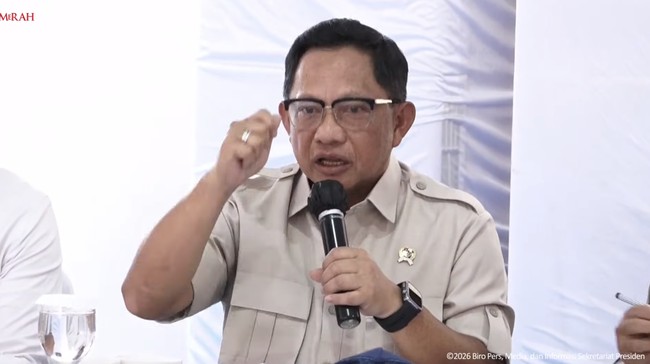
Interior Minister Tito Karnavian has urged regional heads to implement budget efficiencies, particularly by reducing unnecessary official travel expenses. This measure follows the central government’s efforts to save in anticipation of heavier fiscal pressures due to rising global oil prices. “From the beginning, I have conveyed the need for efficiencies to regional heads, and I will emphasise it again, especially budget efficiencies,” Tito said at the Presidential Staff Office in Jakarta, quoted on Thursday (26/3/2026). According to Tito, funds from unnecessary official travel can be redirected to programmes that benefit the public. “Yes, especially unnecessary official trips, which I have mentioned before. So the money is directed to pro-people programmes,” he stated. The former National Police Chief further explained that the efficiencies are not only aimed at saving fuel but also other areas like electricity usage. “Later, we will actually use the mechanisms from the COVID period. For example, turn off the lights first, don’t leave the office with lights on and AC still running,” he said. In addition, the government will apply work-from-home (WFH) arrangements to save on fuel consumption, although they will be monitored through a digital-based work supervision system. “Back then, when I was in charge, there was a system called SIMPEG, the Employee Administration System, so that’s how to ensure that employees truly WFH at home so they don’t go anywhere else, which would add to fuel consumption,” Tito explained. “During COVID, they were required to keep their phones on, then they registered; at 7:30 they did online check-in and phones had to be on. From there, the duty officers could track their location, with GPS enabled, so the location is known,” he added. Previously, State Secretary Prasetyo Hadi confirmed that budget expenditures, especially on unproductive items, will be cut to maintain the state budget deficit. Prasetyo explained that fiscal budgets are calculated over a year, and the government has been reviewing budgets for savings since last year, from overseas official trips to deferrable expenditures. Currently, the government is still reviewing unproductive budgets for savings, caused by the impact of escalating tensions in the Middle East. “We didn’t anticipate there would be war and escalation. But we coordinate frequently and meet to carry out that process. We review again which ones are unproductive, which can be postponed. For example, building construction that is not yet urgent and doesn’t disrupt ministry performance—we postpone it first. That’s included in our areas, my office, and certainly in the Ministry of Finance,” Prasetyo clarified. On that occasion, Prasetyo emphasised that there will be no cuts or shifts to the government’s flagship programmes such as Free Nutritious Meals, Red and White Village Cooperatives, and People’s Schools. “No (they won’t be cut), we prefer to reduce ineffective or low-impact expenditures, which are reallocated so that productive programmes with impact that help ease the people’s burden are prioritised,” he said.