
Inter-Island Railway: A Serious Test of Infrastructure Leadership in the Prabowo Era
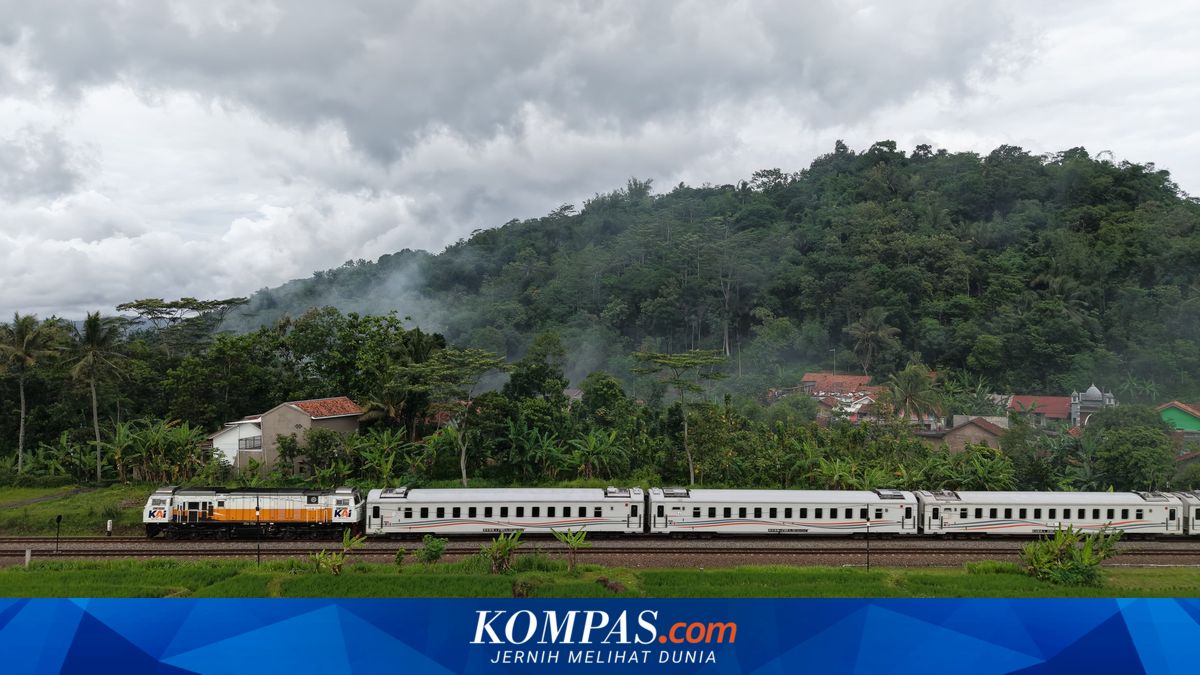
President Prabowo Subianto’s directive to build a railway (KA) network in Sumatra, Kalimantan, and Sulawesi is not merely a transportation idea. It is a strategic statement about the future direction of Indonesia’s development: strengthening connectivity, lowering logistics costs, and promoting regional equity. In the context of an archipelagic nation with high regional disparities, the development of inter-island railways becomes a symbol of structural transformation that can no longer be delayed. However, grand ideas always require a historical reading. Indonesia is not a country without experience in building transportation systems. During the era of President Susilo Bambang Yudhoyono, the foundation of national transportation planning was built relatively strongly. Documents such as the National Transportation System (Sistranas), the National Railway Master Plan (RIPNAS), and various sectoral masterplans were prepared with a technocratic approach. However, the main challenge of this era is the slowness of implementation. Many grand plans stop at the document stage. Strategic projects such as the Palembang LRT, Jakarta MRT, and Jakarta-Bandung High-Speed Rail prove that Indonesia is capable of building modern transportation infrastructure in a relatively short time. However, this approach also leaves notes: not all projects are systemically integrated within the national transportation framework. There is a tendency for projects to run partially, not always connected to overall network needs. Now, in the Prabowo era, the emerging challenge is how to combine these two strengths: the sharpness of SBY-style planning and Jokowi-style execution speed. The directive to build KA in Sumatra, Kalimantan, and Sulawesi must be read as a momentum to correct structural imbalances in the national transportation system, especially in the context of rail-based public transport. If compared to ASEAN countries, Indonesia’s position is still lagging in terms of density and connectivity of the KA network. Countries like Thailand and Vietnam have more connected rail networks between major cities. Malaysia has even developed integration between rail, ports, and industrial zones. Meanwhile, Indonesia still faces network fragmentation, especially outside Java Island. This lag becomes even more contrasting when compared to Japan and China.