
Insurance Premiums Surge Due to US-Israel War Against Iran
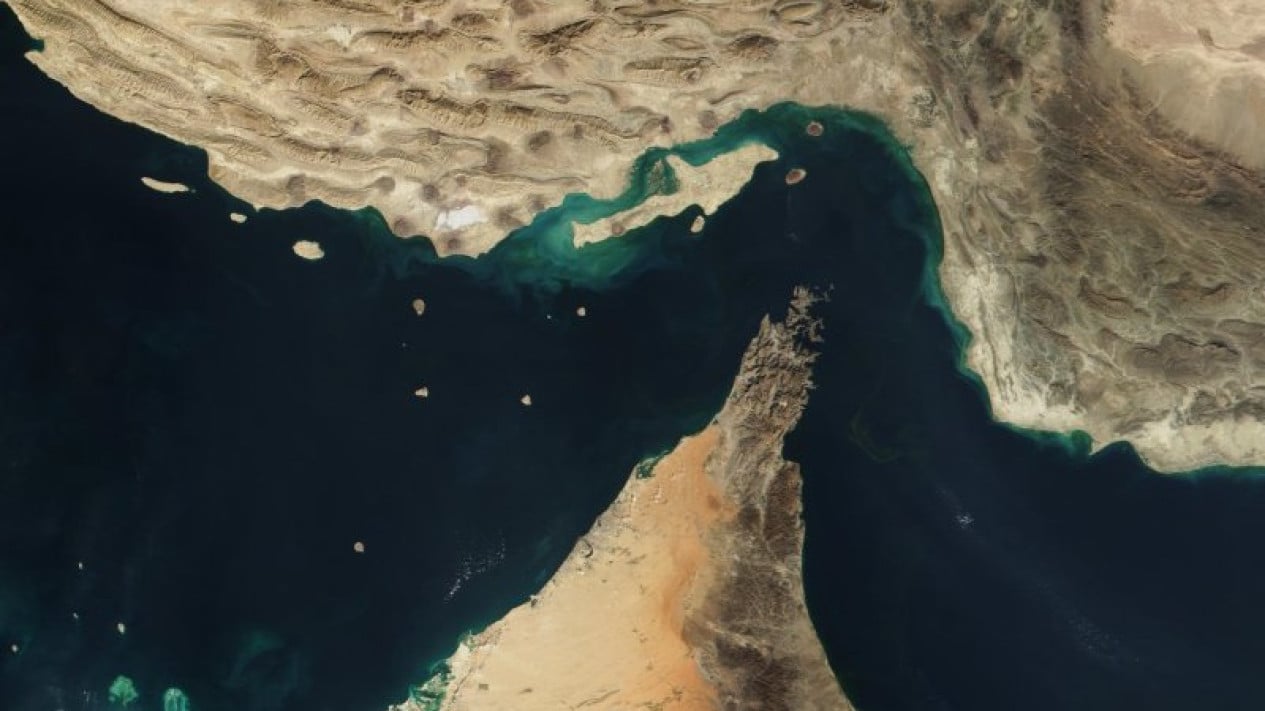
The US-Israel war against Iran has made the Strait of Hormuz the world’s most expensive waterway for shipping, as it has triggered a massive surge in war risk insurance premiums. Before the US-Israel war against Iran, the Strait of Hormuz handled around 20 percent of the world’s crude oil transported by sea. Now, Iran’s retaliatory attacks on tankers and the withdrawal of Western insurance and shipping companies have caused maritime traffic to nearly grind to a halt. Before the crisis, war risk insurance for Gulf tankers was 0.02-0.05 percent of their value. Since 28 February 2026, when the war began, premiums have surged to 0.5-1 percent or more. War risk insurance premiums for a single voyage have jumped from around US$40,000 to between US$600,000 and US$1.2 million for a standard tanker, as quoted from the Euronews website on Wednesday, 18 March 2026. At least 16 ships have been hit since the conflict started. Consumers will feel indirect impacts from the surge in prices at petrol stations or supermarkets in the coming weeks. The US has pledged to deploy naval escorts through the strait, and US President Donald Trump has urged oil-receiving countries to help secure the sea route. However, even with naval escorts, companies will continue to treat the waterway as a high-risk operating environment, said Christopher Long, who works for the maritime security firm Neptune P2P Group, to Euronews. Meanwhile, Iran insists that the Strait of Hormuz remains open to friendly ships or those permitted. Talks with Iran are the “most effective way” to restart transit, said Indian Foreign Minister S. Jaishankar. Russia, a major crude oil exporter, is not a participant in the conflict and does not rely on the Strait of Hormuz to bring its oil to market. Urals blend oil reaches India via the Baltic Sea and Black Sea, then through the Suez Canal and Red Sea – completely bypassing the Persian Gulf hotspot. Although Russia and India have partnered with Iran to develop the International North-South Transport Corridor (INSTC) as an alternative route, its current use for large-scale crude oil shipments is minimal.