
Insurance Practitioner Reveals Financial Management Strategy Ahead of Eid
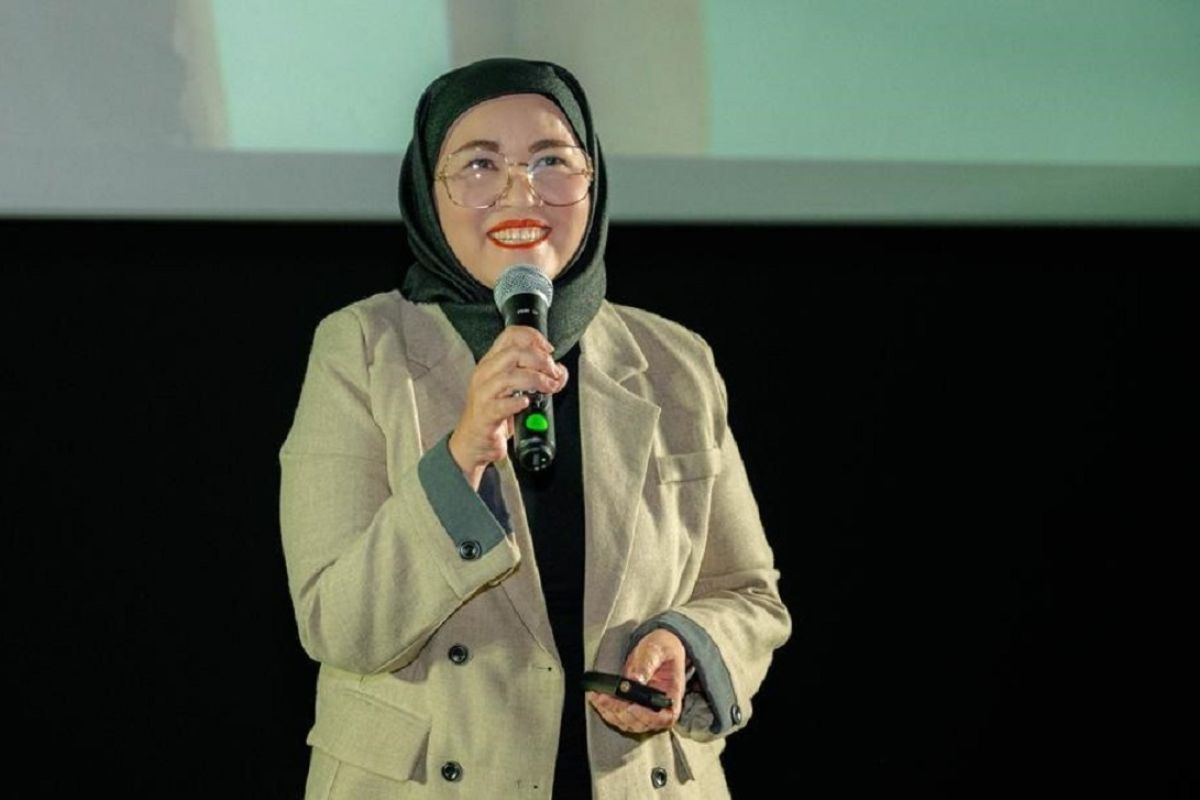
Eid bonuses (THR) should be viewed as blessings entrusted to us, and therefore need to be managed with clear objectives, Jakarta (ANTARA) - The Eid bonus, a benefit eagerly awaited by many as Eid approaches, often feels like a small reward after a year of hard work.
Insurance practitioner Vivin Arbianti Gautama stated it is natural to want to immediately celebrate with shopping for various needs, but amid these festivities, one thing is often overlooked: after Eid is over, life continues as normal.
The Chief Customer Marketing Officer at Prudential Syariah, speaking in Jakarta on Tuesday, said that allocating part of the Eid bonus for Eid shopping is important because this moment comes only once a year.
However, she cautioned that when everything feels necessary to purchase, it is important to pause briefly and ask oneself whether this is a need or merely a fleeting desire.
“We should view the Eid bonus as a blessing entrusted to us, and therefore it needs to be managed with clear objectives,” she said.
There are at least four priorities to consider: religious obligations such as alms and charitable giving, Eid necessities, future needs through savings or investment, and family protection.
Financial planning is not merely about accumulating money, but also protecting what we have already accumulated. If the breadwinner suddenly cannot work, savings can quickly be depleted.
Vivin reminded that financial stability is part of a sense of security that is often invisible but has very tangible effects.
According to her, there is a simple strategy that can be applied to manage finances ahead of Eid: the 50-30-20 formula (50% allocated for Eid needs including alms, 30% for future and savings, 20% for financial protection such as emergency funds and insurance).
This allocation is flexible and can be adjusted according to individual circumstances, but the underlying principle remains the same: enjoying the present moment without neglecting the importance of securing the future.
For those who have become financially savvy, setting aside part of the Eid bonus for investment could also become part of a more peaceful lifestyle. The bonus could serve as initial capital or an additional contribution to long-term assets.
“It does not have to be a large amount right away, but it should be consistent,” she said.
Of course, Eid is also about giving, she added, noting that setting aside part of the Eid bonus for alms and charity gives deeper meaning to the celebration.
Ultimately, Vivin stressed that managing the Eid bonus is about optimising those funds for various needs without compromising financial stability afterwards.