
Instagram and TikTok accounts for under-16s to be deactivated on 28 March
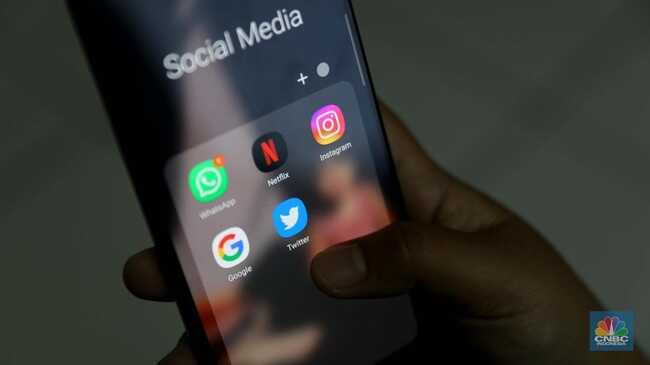
Indonesia has officially issued a new regulation on protecting children in the digital space. The rule is set out in the Ministerial Regulation of the Minister of Communications and Digital Affairs of the Republic of Indonesia Number 9 of 2026 concerning the Governance of Electronic System Operations in Child Protection. The Minister of Communications and Digital Affairs, Meutya Hafid, said the regulation is a derivative regulation from Government Regulation PP TUNAS, which governs restricting children’s access to high-risk digital platforms. ‘Today we issue a ministerial regulation derived from PP TUNAS. Through this regulation, the government delays access of accounts belonging to children under 16 on high-risk digital platforms, including social media and networking services,’ she said in an official post on the Komdigi Instagram on Friday (6/3/2026). Indonesia is described as the first non-Western country to implement an age-based policy delaying children’s access to the digital space. According to Meutya, the policy is taken due to the increasing threats faced by children online, including exposure to pornography, cyberbullying, online scams, and, most importantly, addiction to digital platforms. ‘The rationale is clear: our children face increasingly real threats, from exposure to pornography, cyberbullying, online fraud, and, most importantly, addiction. The government is here so that parents do not have to fight the giants of the algorithm alone,’ she said. Implementation will commence on 28 March 2026. In the initial phase, accounts belonging to children under 16 on several high-risk platforms will be deactivated. Platforms included in the initial phase include YouTube, TikTok, Facebook, Instagram, Threads, X (Twitter), Bigo Live, and Roblox. The government says the rollout will be gradual until all platforms comply with the regulation. While the policy may cause some discomfort in the early stages of implementation, the government acknowledges the potential for confusion among parents and grievances among children. ‘We are confident this is the best step the government must take in the midst of the digital emergency,’ Hafid added. She emphasised that the policy is intended to ensure technology benefits the younger generation, not ruin their future. ‘We are taking this step to reclaim sovereignty over our children’s future. We want technology to humanise people, not to sacrifice their childhood,’ she concluded.