
Infrastructure Maintenance Key to Cutting Oil and Gas Emissions
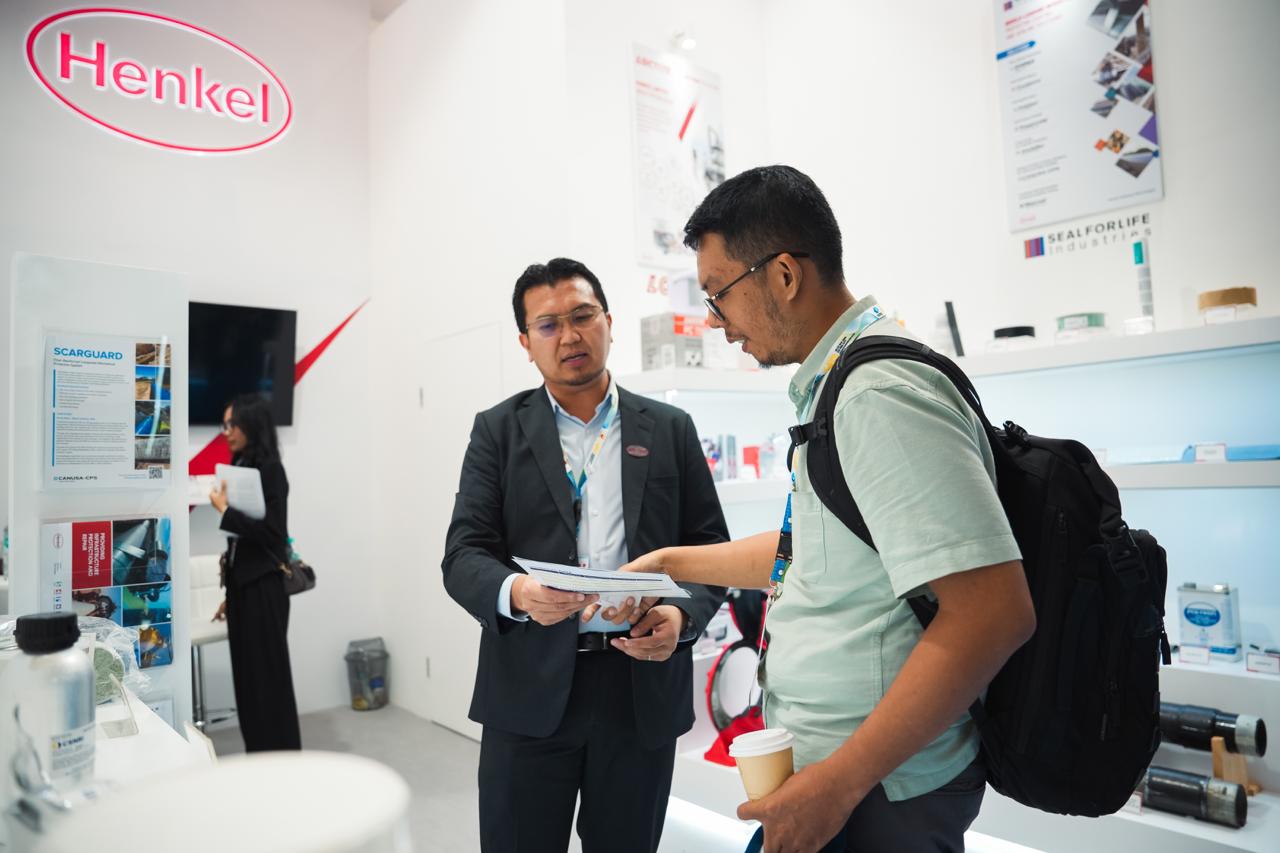
Efforts to reduce carbon emissions in the oil and gas industry continue through the adoption of more efficient and environmentally friendly technologies. At last week’s Indonesian Petroleum Association Convention and Exhibition (IPA Convex) 2026 in Tangerang, German industrial technology firm Henkel introduced solutions aimed at helping reduce emissions from oil and gas operations.
The company believes emissions can be reduced by improving asset conditions and energy efficiency in existing infrastructure without major changes to main production systems.
Two technologies introduced are Stopaq and Mascoat. Stopaq is said to reduce carbon emissions compared to conventional corrosion protection methods, while Mascoat is developed to enhance thermal efficiency, helping lower fuel consumption and operational emissions.
Both technologies focus on preventive maintenance and maintaining asset condition to ensure optimal performance. This approach helps companies reduce potential emissions from heat loss, corrosion, or leaks in infrastructure.
Extending asset lifespans also reduces the need for new materials such as steel, whose production generates significant carbon emissions.
“This also optimises energy consumption in production equipment prone to performance decline,” said Mickey Kasemphaibulsuk, OPEX Manager SEA at Henkel Adhesive Technologies, in a statement.
Henkel stated that these technologies are expected to help the oil and gas industry improve operational efficiency and planned asset management.
Established in 1876, the company operates in adhesive, coating, and household and hair care products, with brands including Loctite, Persil, and Schwarzkopf.
Oil and gas production targets cannot be achieved without government and KKKS cooperation.
Current global geopolitical conditions pose serious challenges for Indonesia, particularly in achieving national energy security.
The Indonesian Petroleum Association (IPA), an association of upstream oil and gas companies, states that Indonesia still has significant potential for oil and gas exploration.
The IPA is strengthening collaboration with academia.