
Informal Workers in Jakarta Increase, Nearly 2 Million People in This Sector
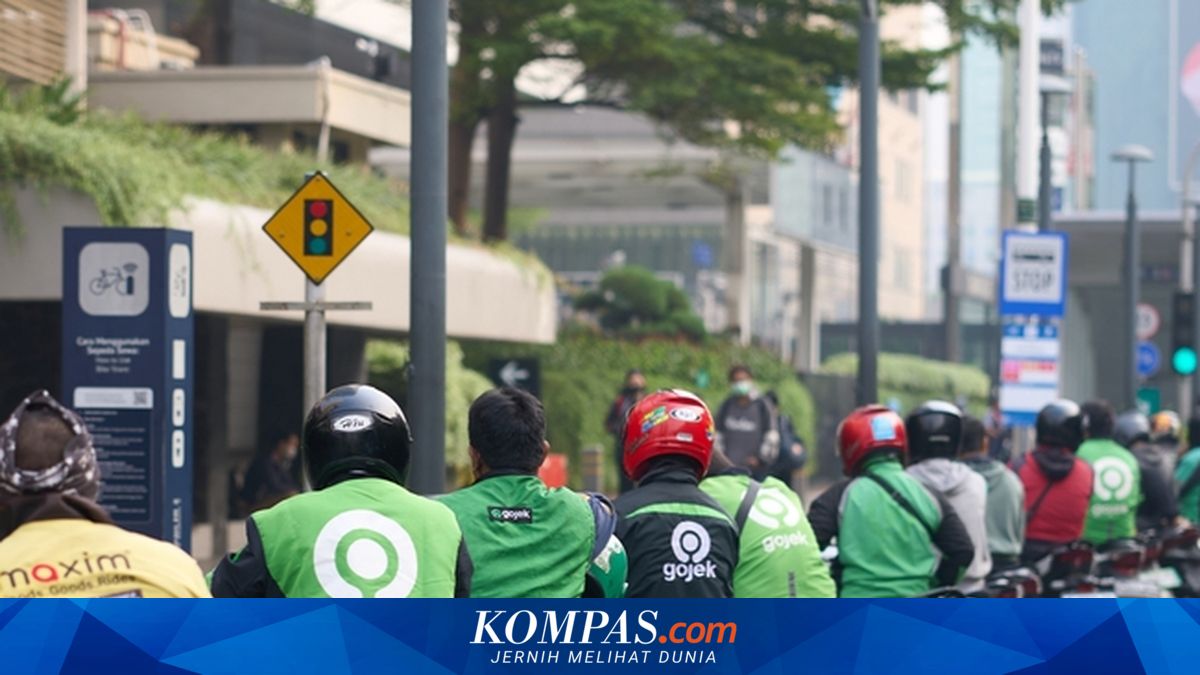
JAKARTA - The number of informal workers in Jakarta increased in February 2026. Nearly 2 million people are now working in the informal sector, as more residents choose or are forced to engage in self-employment.
Data from the Central Statistics Agency (BPS) of DKI Jakarta records that 1.98 million people, or 38.13% of the total working population in Jakarta, are in the informal sector in February 2026.
This figure increased by 0.18% compared to the same period in 2025.
The Head of BPS DKI Jakarta, Kadarmanto, stated that this rise is mainly driven by the increase in the number of workers with self-employment status.
“The increase in the proportion of informal workers is mainly driven by the rise in the number of self-employed workers, which provides the largest change in the number of workers among other employment statuses,” he said in Jakarta on Tuesday (5/5/2026), quoted from Antara.
In BPS classification, informal workers include those who are self-employed, free workers, up to family workers or unpaid workers.
Conversely, formal workers consist of those with the status of labourers, employees, or civil servants, as well as business owners assisted by permanent or paid labourers.
Although the number of formal workers is still larger, their proportion has declined. In February 2026, formal workers were recorded at 3.22 million people or 61.87%, down from 62.05% in the previous year.
On the other hand, the group of labourers, employees, and civil servants still dominates the labour structure in Jakarta with a contribution of 57.91%.
“The status of labourers, employees, and civil servants increased by around 16,000 people, while self-employed increased by around 20,000 people,” he said.
In terms of business fields, the wholesale and retail trade sector is the largest absorber of labour in Jakarta, with a contribution of 22.4% or around 1.16 million people.
“This is in line with the contribution to Jakarta’s economy,” said Kadarmanto.
Meanwhile, the accommodation, food, and beverage sector is the next largest absorber of labour with a contribution of 13.28%.