
Industry Ministry emphasises Eid as driver of halal sector growth
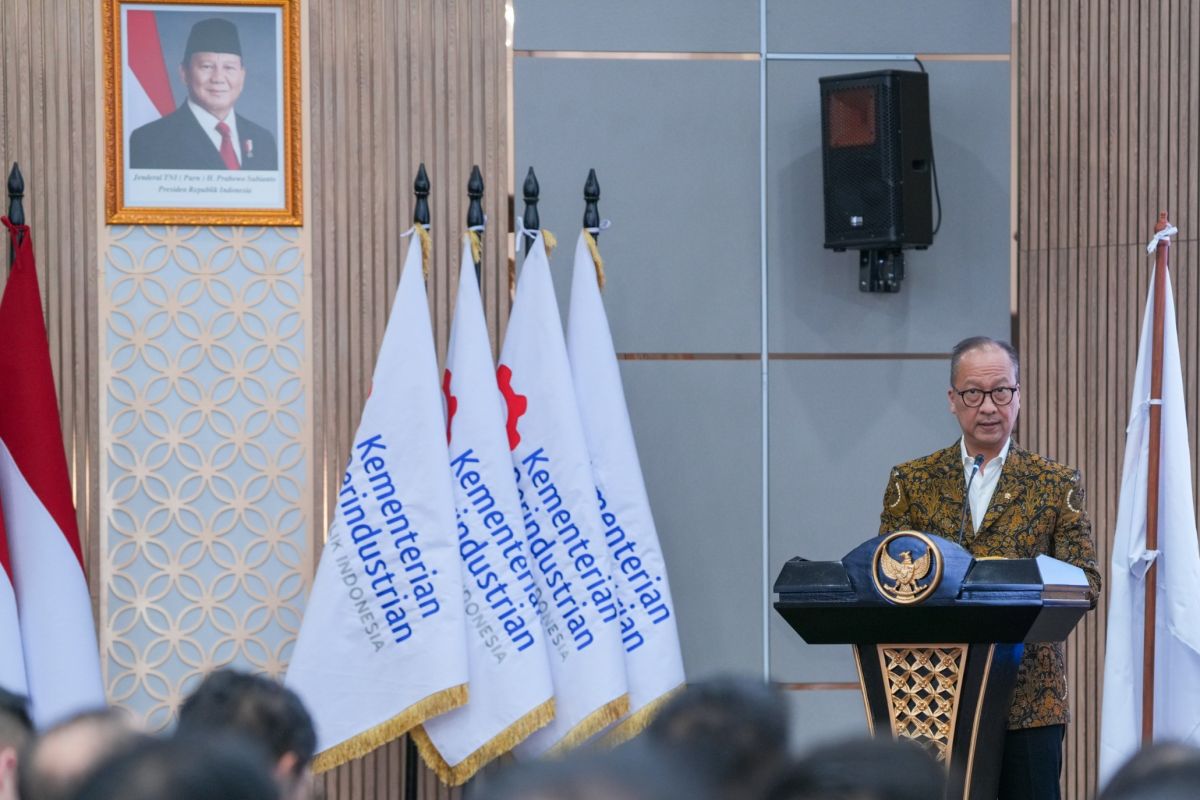
Jakarta — The Ministry of Industry has asserted that the Eid al-Fitr celebration in 1447 Hijriah represents a vital driver for the growth of Indonesia’s national halal industry.
Minister of Industry Agus Gumiwang Kartasasmita stated in a briefing in Jakarta on Wednesday that increased consumer spending during this period is considered capable of strengthening the development of the halal industry sector, which has become increasingly strategic for the national economy.
The Ramadan and Eid al-Fitr season, he noted, is accompanied annually by a surge in consumption of various halal products, including food and beverages, Muslim fashion, cosmetics, and halal pharmaceuticals.
“The halal industry is not merely about fulfilling the religious needs of the community, but also represents a very significant economic opportunity. With a large Muslim population and growing consumer awareness of halal products, Indonesia has strong potential to become one of the world’s centres for the halal industry,” said the Minister.
He noted that halal products benefit from more transparent and hygienic production processes, providing better consumer protection.
To strengthen the halal industry ecosystem, the Ministry continues to encourage domestic industry players, particularly small and medium-sized enterprises (SMEs), to actively pursue halal certification. Such certification is seen as capable of enhancing the competitiveness of national industrial products, both in domestic and global markets.
Global trade data shows that Indonesian halal product exports continue to increase. In 2024, the value of Indonesia’s halal product exports exceeded $50 billion, encompassing the halal food and beverage sector, Muslim fashion, cosmetics, and pharmaceutical products.
The government is also accelerating the halal certification process through various coaching and facilitation programmes for industry players. The Ministry regularly provides mentoring, training and certification facilitation for small and medium enterprises to help them meet applicable halal standards.
Agus added that halal products have now evolved into part of a modern lifestyle sought not only by Muslim consumers but also by the global population increasingly concerned with product health, quality and safety aspects.
However, trade among member states of the Organisation of Islamic Cooperation (OIC) remains relatively limited, creating opportunities for producing nations to expand halal product exports.
The Minister views this situation as opening significant opportunities for Indonesia to strengthen its position as a key player in the global halal industry supply chain.
“With government policy support, improvements in industry quality, and synergy among industry players, certification bodies and various stakeholders, we are optimistic that Indonesia’s halal industry can continue to develop and become a respected global player,” said Agus.