
Industrial Tax Collection Surges in February 2026, Trade Rises 121%
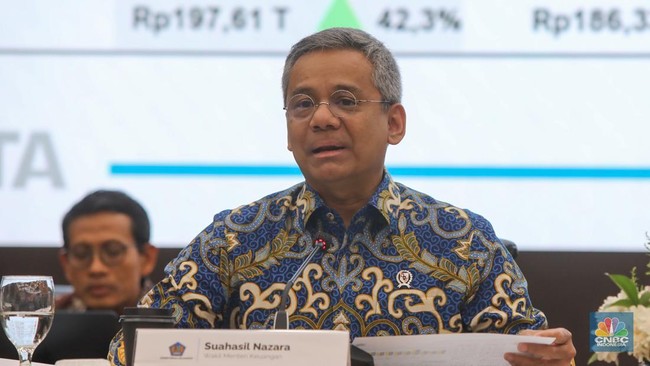
Jakarta — The Ministry of Finance has recorded rapid increases in tax collection from various domestic industries during the first two months of 2026.
Tax receipts in February 2026 totalled Rp 245.1 trillion, representing a 30.4% increase compared to Rp 188 trillion in the same period last year.
Deputy Minister of Finance Suahasil Nazara stated that the sharp increases in remittances were predominantly driven by four main sectors: manufacturing, trade, finance and insurance, and mining. These four sectors collectively contributed 74% of overall tax collection growth.
“When we say tax revenue has increased, sectoral data confirms that these four main sectors have definitely increased,” Suahasil said during a state budget press conference at his office in Jakarta on Wednesday (11 March 2026).
Suahasil noted that gross tax collection from the manufacturing sector reached Rp 100.1 trillion, representing 29.7% of total tax receipts. The manufacturing sector’s gross collection rose 17.7% and net collection increased 16.6%.
The trade sector’s gross tax collection in February 2026 reached Rp 83.2 trillion, accounting for 24.7% of total receipts. Gross collection rose 13.2% whilst net collection surged 121.2%.
For the finance and insurance sector, gross tax collection totalled Rp 32.4 trillion, representing 9.6% of total receipts. This sector increased 4.1% in gross terms and 7.6% in net terms.
The mining sector recorded gross tax collection of Rp 33.6 trillion in February 2026, constituting 10% of total receipts. Gross collection rose 1.5% whilst net collection increased 11.5%.
The trade sector’s robust tax growth was driven by strong performance in wholesale trading and online retail subsectors, reflecting rising e-commerce trends. Manufacturing growth was spurred by the tobacco processing industry and chemical goods subsectors, partly due to business line divestures.
Finance and insurance growth was driven by financial services support activities, whilst mining growth, particularly in oil and gas, was influenced by changes in domestic value-added tax administration procedures.