
Indonesia's Waste Emergency: Green Generation Community Launches Collaboration
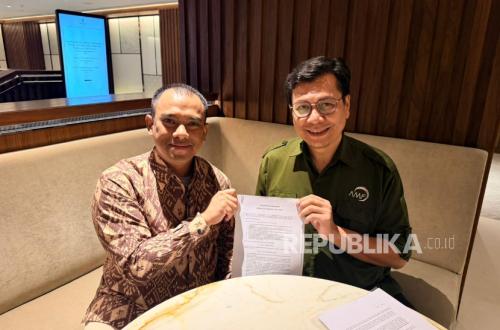
Indonesia is confronting increasingly complex environmental challenges. Each day, the country produces around 143,000 tonnes of waste. Of that amount, only about 26% is managed properly. This indicates that strengthening environmental management systems remains a collective task. Nationally, waste generation also reaches more than 33 million tonnes per year, with the largest contribution coming from households. This situation means that environmental issues are not just technical matters, but also relate to behaviour, systems, and broader governance. Public awareness and that of various stakeholders regarding the importance of sustainability is also strengthening, driving the emergence of various initiatives and collective movements. In this context, the formation of the Konsorsium Komunitas Generasi Hijau (KGH) becomes part of efforts to strengthen the existing collaboration ecosystem. KGH is a cross-sector collaboration involving nine institutions: ICRES, Waste4Change, IAP2 Indonesia, Sekretariat Nasional (Seknas) Fitra, Core Indonesia, Anwar Muhammad Foundation (AMF), Greeneration Foundation, Citiasia Inc., and Rumah Berkelanjutan. KGH is present to promote a more coordinated approach. CEO of Citiasia, Fitrah R Kautsar, explained that the future challenge is to strengthen connections between initiatives. “We already have many good movements. The challenge now is how to connect and strengthen them so that their impact can be greater and more sustainable,” said Fitrah in a press release in Jakarta on Tuesday (28/4/2026). AMF’s Managing Director, Aldi M Abizar, stated that collaboration is very important to drive real change in the regions. “Environmental improvements must be felt down to the local level. In the future, Agentic AI has the potential to help ensure that environmental interventions become more targeted through data-based analysis and monitoring,” he said.