
Indonesia's Tuna Exports Still Dominated by Raw Materials, 45 Percent Value-Added Potential Lost
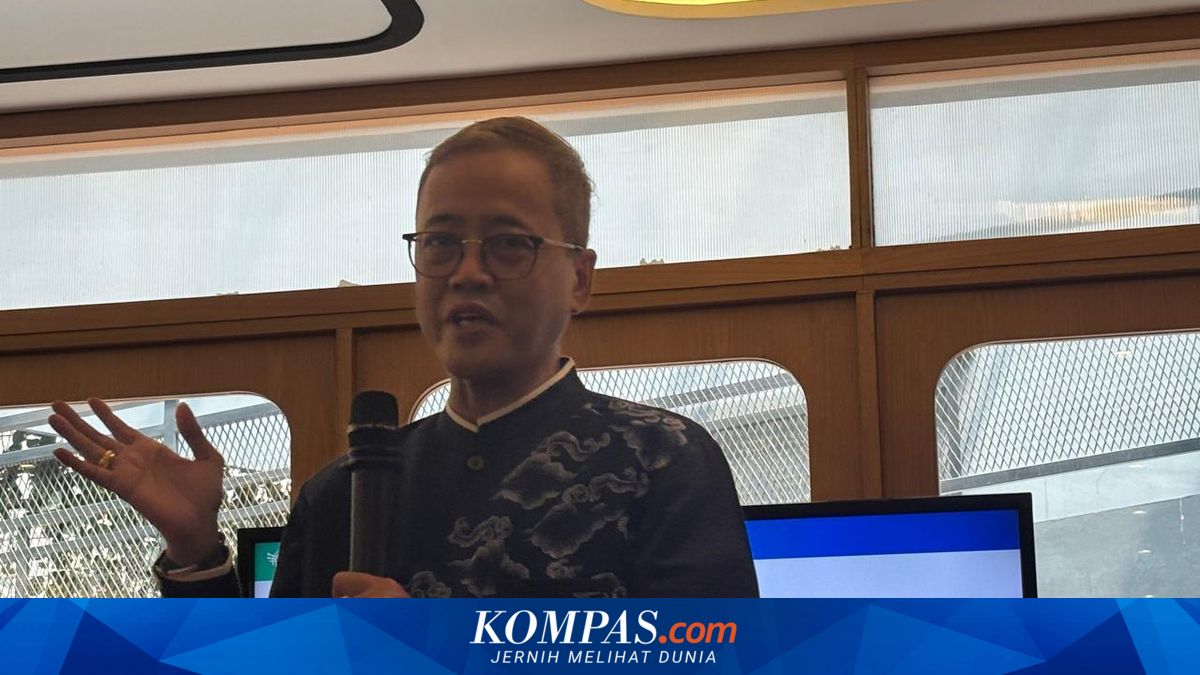
JAKARTA, KOMPAS.com - Indonesia is assessed to have the potential to lose up to 45 percent of value-added from tuna exports because shipments are still predominantly in the form of fresh and frozen raw materials, rather than high-value processed products.
“Indonesia has the potential to lose 45 percent of value-added because the majority of exports are still in the form of fresh and frozen raw materials, not premium processed products,” said the Director of Export Development for Services and Creative Products at the Ministry of Trade, Ari Satria, in Jakarta on Saturday (2/5/2026).
According to Ari, Indonesia actually holds a strong position as a global tuna supplier.
However, reliance on raw material exports results in suboptimal economic value compared to other countries that have developed downstream industries.
“Downstream strategies, product diversification, and expansion into premium markets will significantly increase export value,” he said.
In addition to industrial aspects, Ari highlighted the weakness in branding Indonesian tuna products in the global market.
He stated that Indonesians themselves have not fully realised the strength of tuna as a national culinary identity that can be elevated to an international level.
He encouraged cross-sector collaboration, from government, industry players, to creators and chefs, to strengthen the image of tuna-based Indonesian products in the world market.
“You know, Korea has its dramas and K-Pop, which are very popular in Indonesia. The point is how we collaborate everything,” he remarked.
Based on Ministry of Trade data, Indonesia’s tuna export performance shows a positive trend with growth of around 7.46 percent throughout the 2021–2025 period.
In 2025, the value of Indonesia’s tuna exports was recorded to exceed 1 billion USD, with main markets including the United States, Thailand, and Japan.
“With export value exceeding 1 billion USD in 2025, the tuna sector has great potential for further development through product diversification, quality improvement, and strengthening global market access,” Ari revealed.