
Indonesia's Strategic Navigation Behind the US-Israel and Iran Narrative War
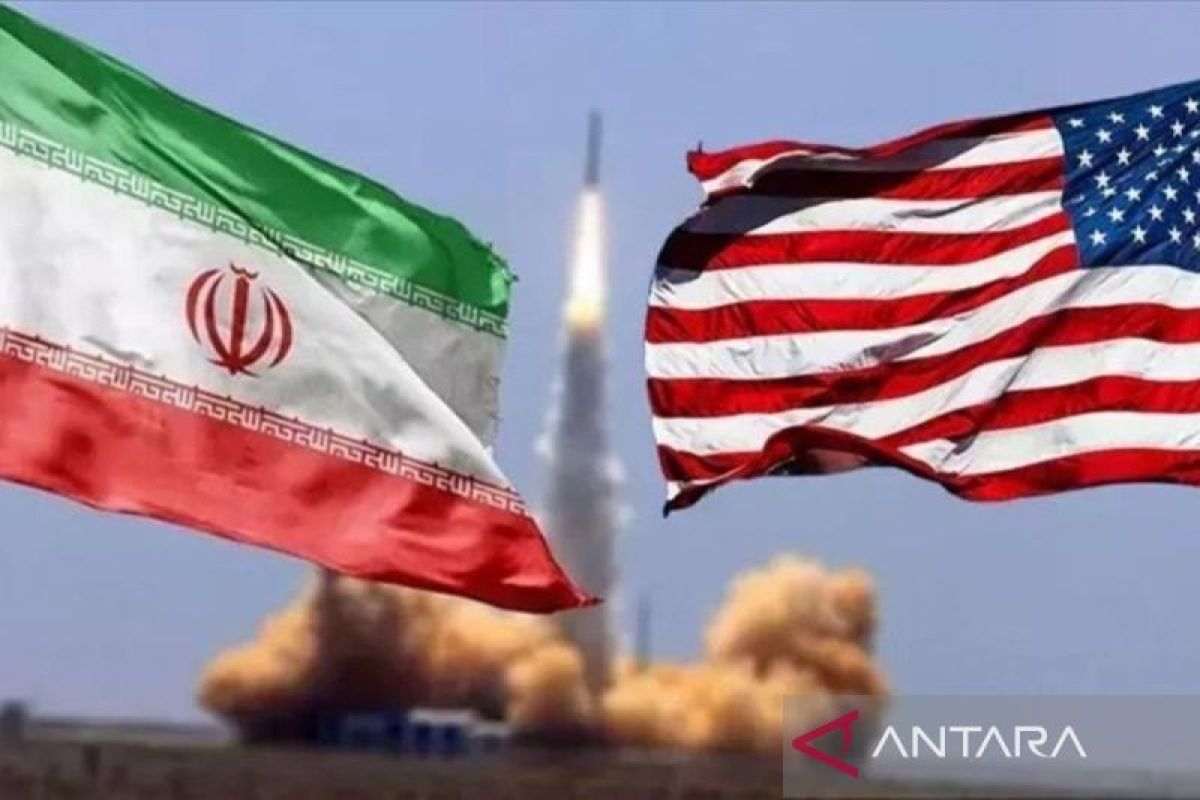
Indonesia is taking strategic steps through the diplomatic functions of the Ministry of Foreign Affairs and the information navigation role of LKBN ANTARA. These measures are aimed at keeping the public space clear from distortions.
Jakarta (ANTARA) - Under the increasingly overcast horizon of global politics, the boundary between physical clashes and information warfare has become increasingly blurred. This situation has created a new battlefield.
This new battlefield is invisible but highly influential in shaping the future. The conflict between the United States-Israel and Iran that erupted at the end of February 2026 has demonstrated this to the world in a tangible way.
This event is not merely an escalation of military power in the Middle East region, but a symphony of perceptions designed systematically to shape how the global public views, understands, and assesses reality.
The tensions involving these three main actors show that the battle of narratives flows far more fluidly. It even determines the direction of world policies more than on-the-ground military manoeuvres.
This information battle is no longer a mere supplement to a conflict. It is the primary tool for controlling public views, garnering international support, and even influencing economic stability.
This triangular conflict proves that behind every attack, narratives work as a “weapon”. This strategy is capable of shaping world opinion and legitimising every action that occurs on the field of battle.
Those who can master the story often hold invisible strategic control. This power determines how the world views sovereignty and the boundaries of regional security.
Since the tensions peaked, each party has built its own version of reality.
The US emphasises its military steps as efforts to maintain regional stability and broader global energy interests.
Washington positions every military action as a preventive measure for world order. This narrative is designed to keep support from strategic partners solid under the framework of international law.
On the other hand, Israel describes its military operations as a defensive response to direct threats. For Tel Aviv, protecting national security is the top priority that cannot be compromised.
Meanwhile, Iran positions itself as defending sovereignty from external pressures. Tehran views every step as a legitimate right to self-defence in accordance with the United Nations Charter.
According to Heri Herdiawanto, Researcher at the Centre for Geopolitical and Defence Studies at Al-Azhar Indonesia University, the conflict is essentially a tool for internal stabilisation. Foreign tensions are often constructed as an “extension” to maintain power domestically.
For Israel, the narrative of an “existential threat” from Iran is used to unite public support. This strategy forces the opposition to remain behind the government for the sake of the nation’s survival.
In Washington, the narrative of global leadership is used to justify expensive military aid. This issue becomes a crucial political commodity in vying for voter sympathy in the United States.
For Tehran, the narrative of “resistance” is the key to regime legitimacy amid economic sanctions. The image of leaders as the axis of resistance effectively stirs nationalism to divert public dissatisfaction with the economy.