
Indonesia's proactive diplomacy to curb Middle East conflict escalation
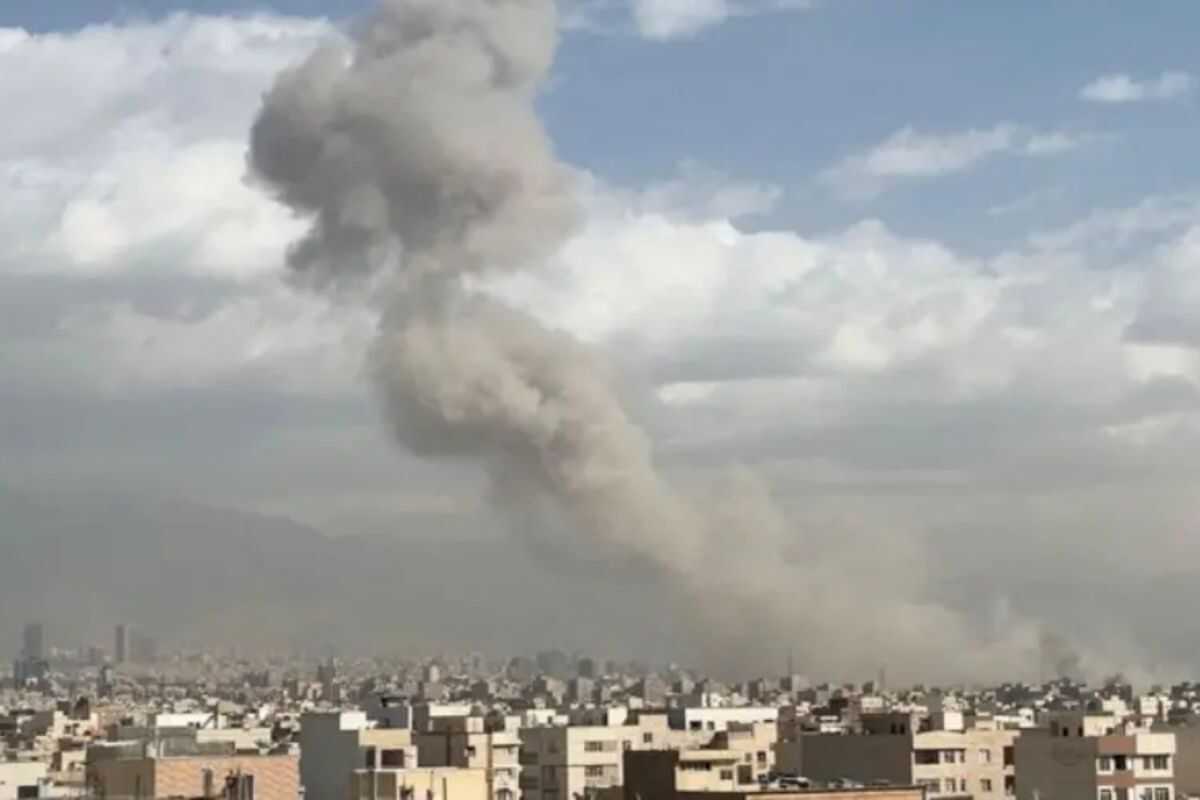
Although formal mediation has not yet taken place, the diplomatic steps taken signal the direction of Indonesia’s increasingly proactive foreign policy, keeping the door to negotiation open and seeking to de-escalate the conflict before it spreads. Jakarta is leveraging bilateral communications and international forums to push for de-escalation in line with Indonesia’s free and active foreign policy, which emphasises dialogue and peaceful settlement. The government regards the conflict as potentially creating economic uncertainty, particularly through its impact on energy prices and global trade costs, and therefore requiring timely economic policy responses. President Prabowo Subianto has affirmed Indonesia’s readiness to play a role in easing tensions in the Middle East and to urge all parties back to the negotiating table. This approach aligns with Indonesia’s free and active foreign policy, which emphasises dialogue and international cooperation to maintain regional stability. The conflict between the US-Israel and Iran is not confined to the Middle East; its waves are felt across Asia, including Indonesia. One of the most tangible impacts is energy. The Middle East remains a principal route for global oil distribution. Military tensions could spark a spike in energy prices, ultimately weighing on the Indonesian economy as an energy-importing country. Additionally, global trade stability would be affected; strategic shipping routes linking Asia, Europe, and Africa are vulnerable to disruption, and international supply chains could be disrupted, raising logistics costs. The conflict could also deepen global geopolitical polarisation, impacting stability in other regions, including Asia. Indonesia views efforts to de-escalate tensions as not merely a regional interest but part of safeguarding global stability that directly affects national interests. Active diplomacy among leaders.