
Indonesia's Palm Oil Industry Risks Being Overtaken by Malaysia, This Factor Quietly Becomes Key
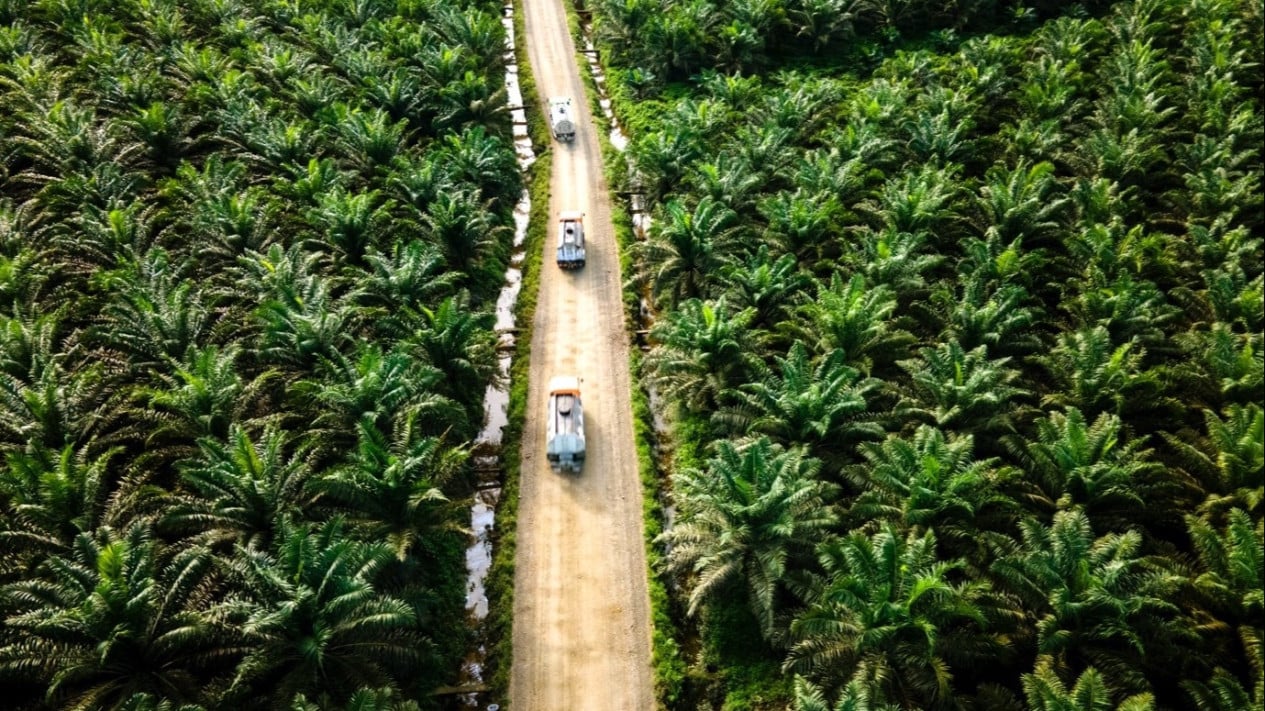
Indonesia’s palm oil industry is facing increasingly tight global competition. Although Indonesia remains the world’s largest producer, pressure from rival countries like Malaysia continues to rise, both in terms of productivity, efficiency, and the quality of industry management.
Regarding this, strengthening non-commodity factors is becoming a primary focus. Not only about land and production, but also the quality of human resources (HR), which is considered to determine the sustainability and competitiveness of the industry in the long term.
This was stated by the Executive Director of the Palm Oil Agribusiness Strategic Policy Institute, Tungkot Sipayung. He said that HR development is a crucial element that cannot be ignored in the transformation of the national palm oil industry.
He explained that HR development must be able to address the various increasingly complex challenges of the palm oil industry. HR development must also play an active role in creating a sustainable palm oil industry system.
“Besides improving the quality of current HR, such development must be able to meet the needs of the palm oil industry in the future,” he said, as quoted from a press release on Monday, 30 March 2026.
He added that palm oil HR development needs to cover aspects of quality, diversity of skills, and adequate availability of labour. According to him, the industry’s needs are no longer simple, but demand technical, managerial abilities, and adaptation to new technologies in the plantation sector.
Furthermore, Tungkot highlighted the strategic role of the Plantation Fund Management Agency (BPDP) in supporting HR strengthening. This institution is considered to have carried out important functions through scholarship and training programmes targeting the younger generation, especially children of palm oil farmers.
The programme is implemented together with the Directorate General of Plantations of the Ministry of Agriculture, with the aim of creating a workforce that is not only ready to use, but also capable of bringing innovation to the industry.
Based on 2025 data, 13,265 participants have received scholarships for HR development in the palm oil industry at various universities. In addition, technical training programmes have reached around 32,152 palm oil farmers in various regions.
For 2026, BPDP targets a quota of 5,000 new students with a focus on strengthening competencies in technical and plantation technology fields. This step is considered important to catch up on the lag in workforce quality aspects.