
Indonesia's Mudik Tradition Becomes One of the World's Largest Seasonal Human Movements
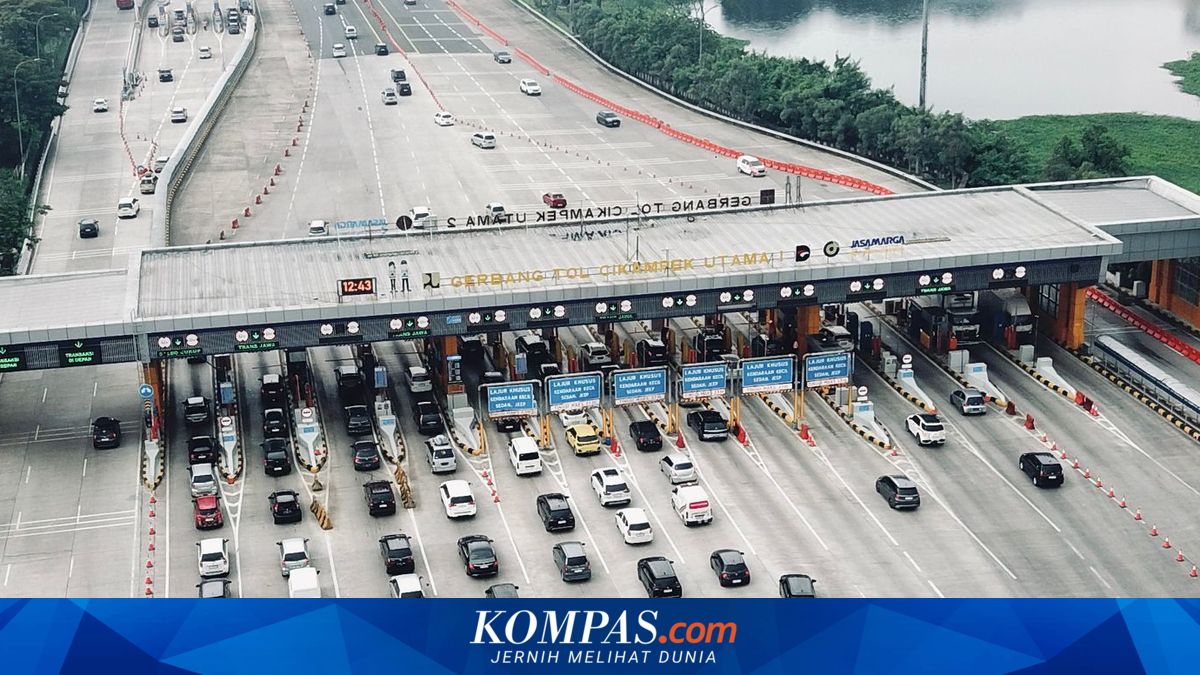
The phenomenon of mudik during Eid in Indonesia has transformed from a mere tradition of reuniting with family into one of the world’s largest seasonal human movements, with systemic impacts on the national economic structure.
According to in-depth analysis reported by the Antara News agency, this temporary migration wave involves tens of millions of people moving simultaneously from urban economic growth centres to rural areas across the Indonesian archipelago.
The massive scale of this movement not only places significant pressure on national transportation infrastructure but also triggers extraordinary wealth redistribution through social and economic remittance mechanisms.
Mudik serves as a moment when capital accumulated in major cities flows back to regions, providing a fresh impetus to local economies that often stagnate outside the festive season.
The mudik tradition represents a massive human mobility phenomenon in Indonesia. A survey by the Ministry of Transportation indicates that during the 2024 Eid season, the number of mudik travellers reached 193.6 million people, or about 71% of Indonesia’s total population, making it one of the world’s largest seasonal human movements.
Last year’s data for Eid 2025 estimates the number of mudik travellers to decline to 154 million people, or roughly 52% of the national population.
This decline is influenced, among other factors, by household economic conditions and community purchasing power dynamics.
However, overall, the scale of this mobility still demonstrates that mudik is a very significant socio-economic phenomenon in Indonesian society.
Based on estimates from the Indonesian Chamber of Commerce and Industry (KADIN) for 2024, the economic turnover during the Ramadan and Eid al-Fitr period is projected to reach approximately Rp157.3 trillion, assuming around 193 million mudik travellers bring an average of Rp3.25 million per family.
Taking into account all derivative economic activities during the mudik season, various economic analyses often place the potential economic turnover of mudik in the range of Rp150-200 trillion annually.
Most of this monetary turnover actually occurs in rural areas. For a long time, the majority of Indonesia’s economic activities have been concentrated in major cities.
However, when the mudik season arrives, a portion of the income earned by workers in cities flows back to their hometowns in the form of family consumption, Eid shopping, and assistance to relatives.
Based on research findings from the Ministry of Finance (2023), the surge in consumption during the Eid period can significantly boost regional economic activity, particularly in the trade and services sectors, increasing by 20-30% compared to normal months.
Behind the long traffic jams and transportation bottlenecks lies a flow of remittance funds that serves as the primary engine of grassroots welfare.