
Indonesia's Middle-Class Fatigue
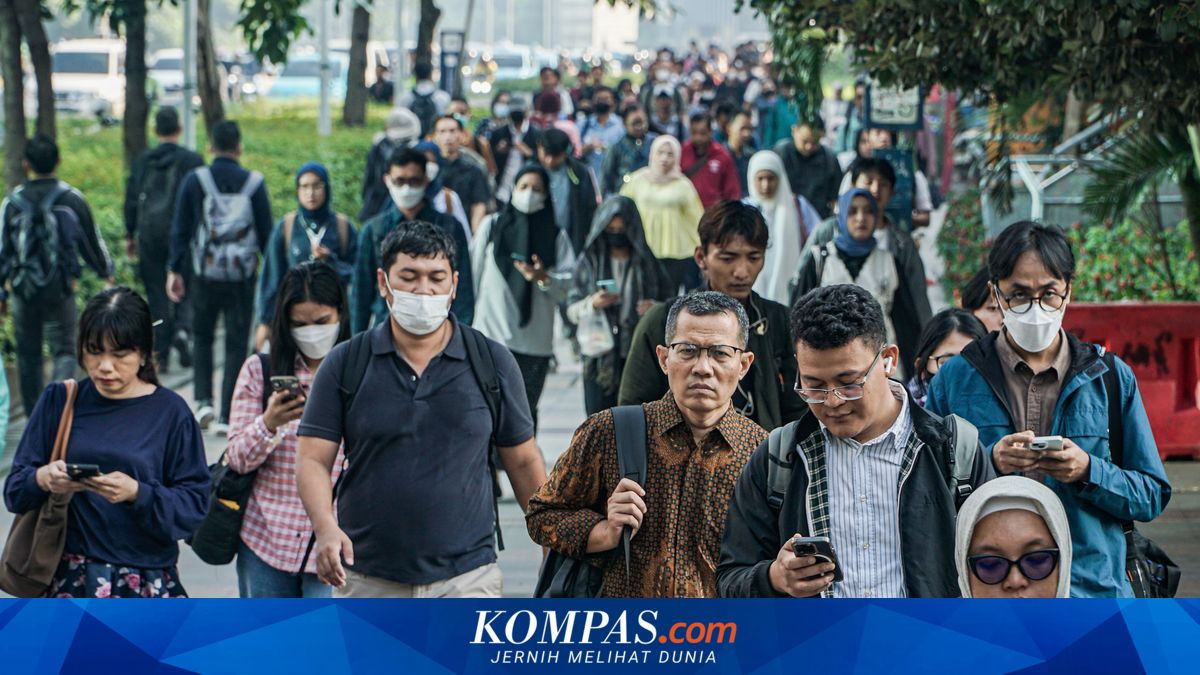
Indonesia’s economic performance in the first five months of 2026 appears promising on paper. National economic growth remains above five per cent, inflation is relatively contained, and household consumption continues to be the main pillar of the national economy. Amid global uncertainties fueled by escalating US-Iran geopolitical tensions driving energy price volatility, supply chain pressures, and financial market instability, Indonesia has demonstrated relative resilience compared to other developing nations. Yet behind these stable macroeconomic figures, a socio-economic phenomenon is becoming increasingly evident at the household level: middle-class economic fatigue. On closer inspection, Indonesia is not currently experiencing a classic economic crisis like in 1998 or during the Covid-19 pandemic. There are no waves of bank bankruptcies, no extreme inflation spikes, and economic activity continues relatively normally. However, it is precisely in this seemingly ‘normal’ situation that the middle class is experiencing slow but persistent pressures eroding their financial security. They are still employed, earning income (though its value is diminishing due to industry-wide efficiency measures), and continuing to consume goods and services. Yet simultaneously, more families feel their savings deplete quickly, living costs keep rising, loan repayments grow heavier, and the future feels increasingly expensive. This phenomenon reveals a paradox in Indonesia’s current economic structure. On one hand, macroeconomic indicators show continued growth. In the first quarter of 2026, Indonesia’s economic growth was recorded at around 5.6 per cent, with household consumption remaining the primary driver. Their income is increasingly consumed by rising routine expenses—from food prices, education, transport, healthcare to housing loans and consumer credit. In this context, economic growth no longer automatically translates to increased wellbeing. Global pressures exacerbate the situation. Geopolitical conflicts in the Middle East throughout 2026 have driven uncertainty in global oil and energy prices. This has rippled across sectors via increased logistics and distribution costs. Despite government efforts to maintain inflation stability, households continue to feel gradual increases in daily necessities. Simultaneously, businesses face efficiency pressures due to global slowdown and high funding costs. Consequently, many companies are quietly adjusting by cutting bonuses, freezing hiring, reducing allowances, and increasing work targets.