
Indonesia's Manufacturing PMI Reaches Highest Level in Nearly Two Years Ahead of Eid
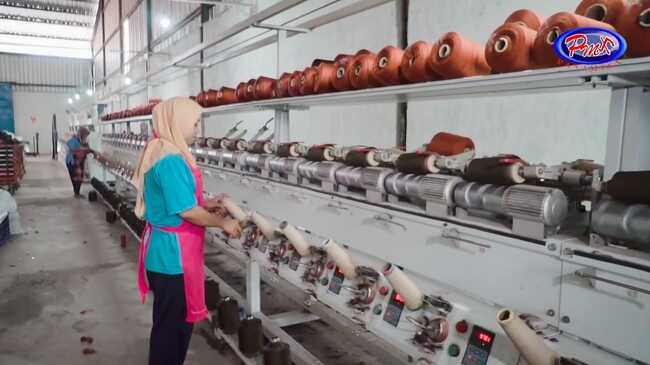
Jakarta — Indonesia’s manufacturing activity surged in February 2026, coinciding with the onset of Ramadan and the approach of Eid al-Fitr, when consumer demand traditionally peaks as households increase spending on celebrations and consumption.
The Purchasing Managers’ Index (PMI), released today by S&P Global on Monday 2 March 2026, showed Indonesia’s manufacturing sector at 53.8 in February—the highest level since March 2024, spanning nearly two years. This marks the seventh consecutive month of expansion, with the PMI remaining above the 50-point threshold that distinguishes expansion from contraction.
The February improvement was primarily driven by an accelerated expansion in demand for Indonesian products. New orders expanded for the seventh consecutive month, with growth at the strongest pace since November 2025. Survey respondents reported increased customer numbers and improved client confidence. Notably, the expansion in new orders was broad-based, with Indonesian manufacturers recording renewed growth in new export orders—the first increase in six months. This rise in export orders was the sharpest since May 2022, reflecting improving demand conditions in international markets.
According to Usamah Bhatti, economist at S&P Global Market Intelligence, the strengthening of Indonesia’s manufacturing sector health in mid-first quarter represents a positive signal for the months ahead. Demand conditions remained positive, with solid sales growth driving increases in production, employment, and purchasing activity. “In addition, demand growth is not limited to the domestic market, as exports increased for the first time in six months,” he noted.
On the pricing front, Indonesian manufacturers reported a slight softening in input price inflation. Average cost burdens increased at the slowest pace in six months, below long-term averages. In response, companies raised selling prices only moderately.
Employment and Production Growth
Positive sales momentum prompted companies to expand their workforce for the sixth time in seven months, at the most pronounced rate since November. This employment growth supported increased production in February, with output expanding at its fastest pace since April 2024. Companies attributed production increases to rising new orders and to building inventory stocks in preparation for potential future demand surges.
Consequently, finished goods inventory expanded for the fourth consecutive month. However, firms managed to contain the build-up of delayed work, as February backlogs remained relatively unchanged compared to the previous survey period.
Latest data revealed accelerated growth in purchasing activity among goods producers. Input purchases expanded for the seventh consecutive month at the sharpest pace in nearly two years. Simultaneously, pre-production inventory also increased, as some companies stockpiled inputs in response to improving demand and production requirements.
February data also revealed supply-side pressures amid reports of delivery delays and flooding impacts. Consequently, average supplier delivery times lengthened for the fifth consecutive month.
Looking ahead, confidence regarding prospects for the next 12 months edged down compared to January and remained below historical averages. Nevertheless, the latest Future Output Index still demonstrated robust optimism for the year ahead, supported by expectations of stronger demand conditions and more stable pricing.