
Indonesia's Industry at Risk of Disaster, Business Owners: Plastic Raw Materials Scarce
Indonesian business owners have revealed the impacts of the war in the Middle East, which is posing severe challenges to numerous companies, particularly those reliant on imported raw materials, due to the limitations on imports.
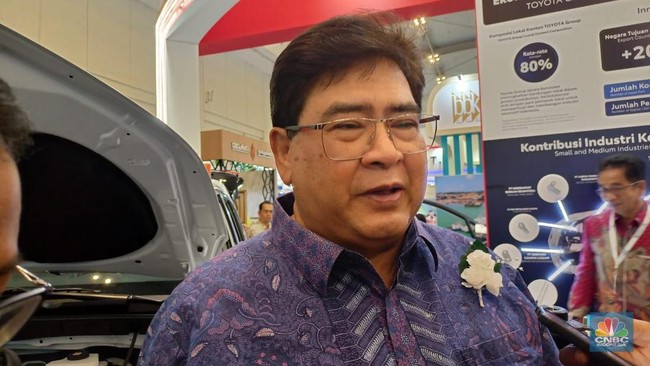
Bob Azam, Chairman of the Labour Affairs Division of the Indonesian Employers Association (Apindo), stated that the scarcity of imported raw materials could lead to production stoppages. He even expressed pessimism about whether production could continue in the coming months.
“The situation we are facing now is not easy amid the economic slowdown, and there is also the threat of war with Iran, with the supply chain starting to become limited,” Bob said during his presentation at a hearing with Commission IX of the House of Representatives (DPR RI) regarding the Labour Employment Bill (RUU Ketenagakerjaan), on Tuesday (14/4/2026).
“We don’t know if in April or next month, we can still produce or not; this is the situation we are facing now,” he added.
Bob highlighted a real-world example occurring on the ground: the scarcity of plastic raw materials. This has resulted in high prices and potential production halts.
In fact, plastic is a crucial component in the food and beverage industry, especially for packaging. He noted that many business owners have already complained about the rising prices of plastic raw materials.
“For example, plastic raw materials. These are no longer available; they are scarce. Meanwhile, food and beverages use plastic. If our industry cannot withstand this, it could be disastrous; we are facing a truly very heavy economic situation,” he explained.
Given this condition, he hopes it does not affect the workers employed in that sector. Business owners are also urging the government to be more flexible in managing bureaucracy, particularly regarding import policies. This step is deemed essential to maintain price stability amid economic pressures and declining purchasing power of the public.
“The role of business owners is to absorb the increases by improving productivity. The role of the government is to carry out debureaucratisation, making permits easier. The role of workers is the same as business owners in anticipating things like this,” Bob clarified.
Meanwhile, in a separate encounter with reporters, he hoped that companies would not rush into terminating employment relations (PHK) for their workers.
“But if possible for companies, avoid PHK; don’t rush into PHK,” he explained.