
Indonesia's Furniture Competitiveness Tested: High Costs and Import Inundation
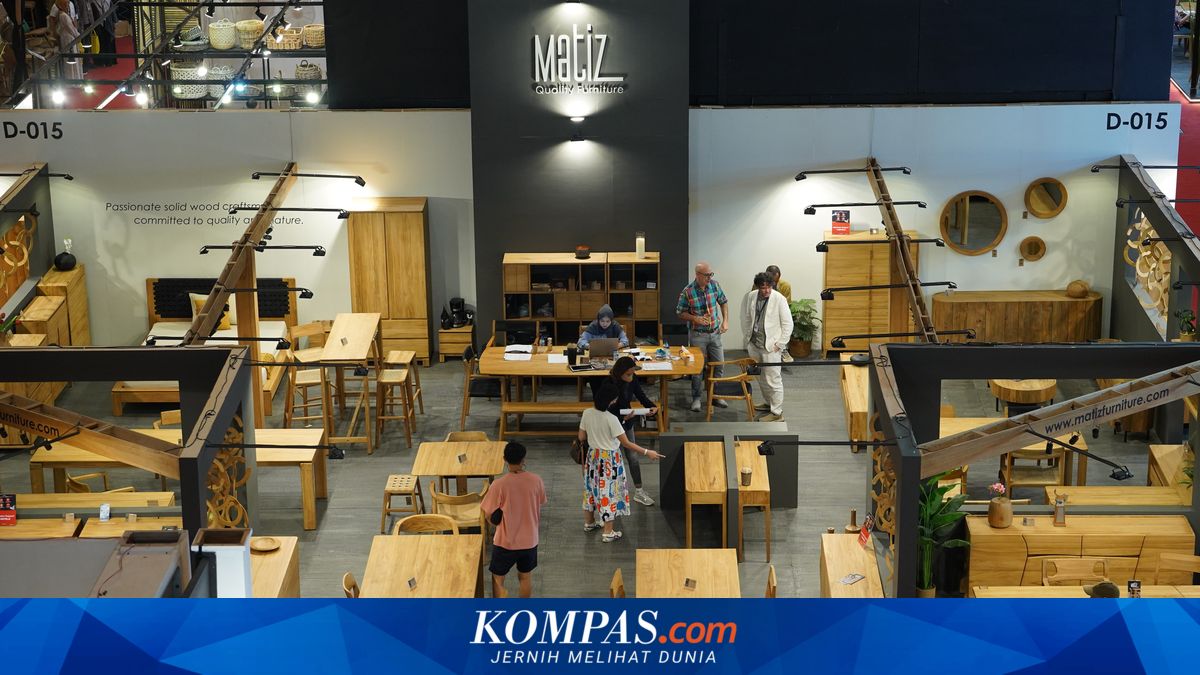
Indonesia’s furniture and handicraft industry is facing pressure from various sides. High production costs. Regulations deemed complex. Competition with cheap imported products is increasingly tight.
HIMKI Chairman Abdul Sobur believes this situation requires improvements to keep the industry competitive in the global market.
Sobur states that the abundance of regulations is one of the main burdens for business players. The rules are considered inefficient and add to costs.
“If we’re honest, our regulations are plentiful. They say they’ve been simplified, but in fact, it’s not that easy. Even the high costs we bear are largely due to regulations,” Sobur told Kompas.com in Jakarta on Friday (10/4/2026).
“In other countries like China, Vietnam, or Malaysia, FSC is sufficient. We need two. This makes us more expensive and less competitive,” he said.
Other administrative processes also add to the burden. Quarantine and potential delays in tax restitution further affect business costs.
Sobur also highlights coordination between ministries. Policies are deemed not yet aligned.
“The Ministry of Trade and Industry might agree, but the Ministry of Forestry may not. In the end, coordination is messy, and the industry becomes the victim,” he explained.
“If the wood upstream is already legal and certified, downstream it shouldn’t need to be repeated. This instead becomes layered costs,” he added.
In terms of competitiveness, Indonesia lags behind competitor countries like China and Vietnam. The production cost difference reaches 20 percent to 25 percent more expensive.
“Their cost structure is far cheaper. Slimmer regulations, cheap logistics, and their production scale is very large,” said Sobur.