
Indonesia's finance minister says fuel subsidy policy follows president's directives
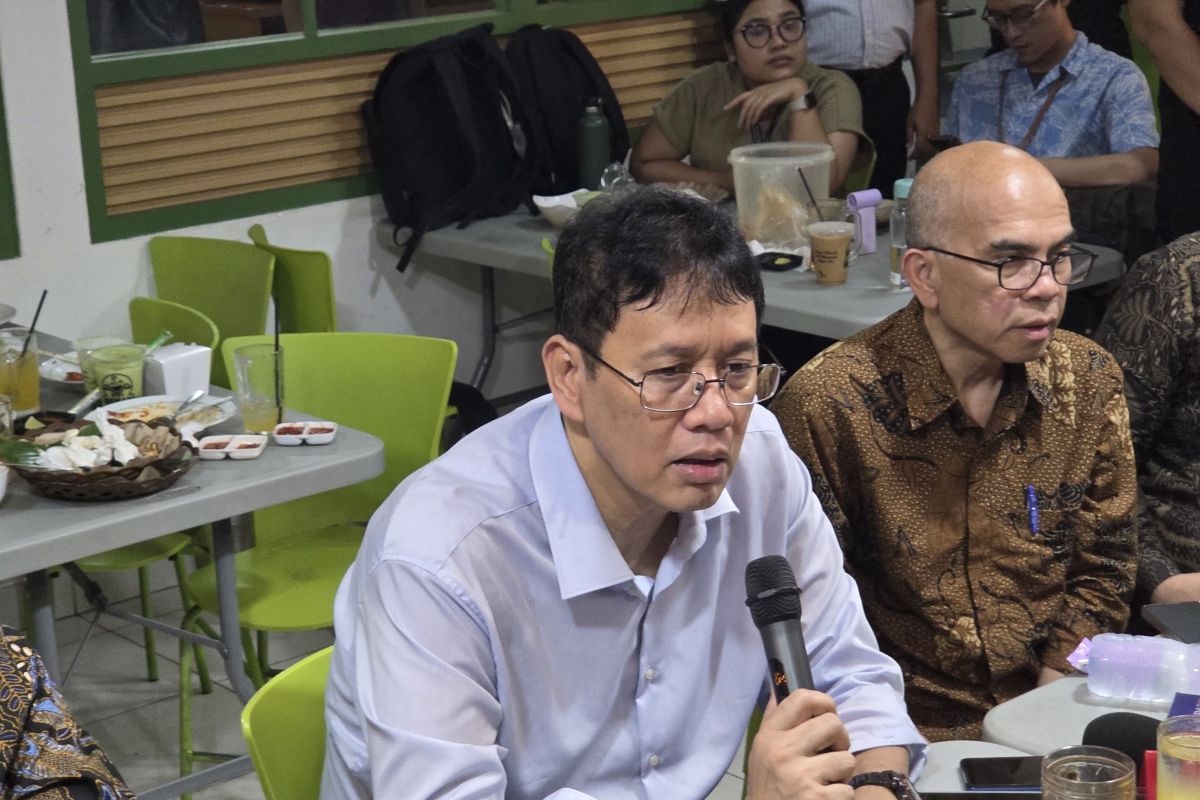
Finance Minister Purbaya Yudhi Sadewa said policy decisions were the result of coordinated government action rather than individual or sectoral initiatives.
He stressed that ministries act in line with presidential directives, seeking to clarify public perceptions about how decisions are made at the national level.
“I want to stress that this is not my work alone. It is a joint effort involving multiple ministries, all carried out under the President’s direction,” Purbaya said in Jakarta on Tuesday.
He added that the government often presents policy options, but final decisions rest with the president.
Related news: No increase in subsidized fuel prices through 2026: Finance Minister
According to Purbaya, the president closely evaluates the economic impact of each policy, particularly on households.
The government regularly runs simulations based on different global oil price scenarios to ensure policies remain targeted and sustainable.
“For example, on fuel policy, we calculate the impact under various assumptions—US$80, US$90, or US$100 per barrel—before presenting them to the President,” he said.
He noted that such analysis helps policymakers anticipate risks and determine the most appropriate response.
Despite heightened global uncertainty, Purbaya urged the public to remain calm, citing Indonesia’s relatively strong fiscal position.
He said state revenues and fiscal buffers remain sufficient to sustain subsidy programs and maintain price stability.
One key buffer is the Budget Surplus (Saldo Anggaran Lebih/SAL), which currently stands at Rp420 trillion.
“This shows we have multiple layers of defense. There is no need to worry, as the fiscal space is still available,” he said.
Purbaya added that the government has already modeled a range of possible outcomes, including scenarios of higher oil prices.
He also pointed to potential additional revenue sources that have not yet been factored into current projections.
These include gains from policy measures introduced by the energy ministry.
Overall, he said, the government remains confident in its ability to manage risks while maintaining economic stability.
Related news: Indonesia to keep subsidized fuel prices unchanged
Translator: Bayu, Azis Kurmala