
Indonesia's Energy Transition Hampered by Incentives: SUSTAIN Outlines Three Recommendations
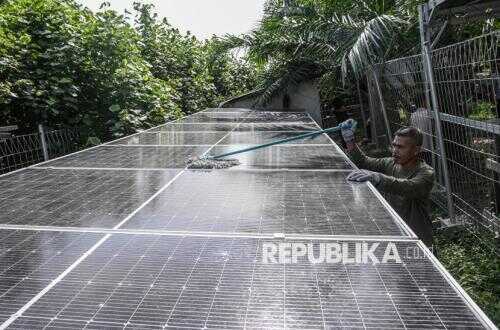
Formation of the Energy Transition Acceleration Task Force (Satgas) is seen as needing to be followed by robust and consistent incentives policies to accelerate the development of renewable energy. Without clear policy support, accelerating the clean energy programme is feared to struggle to attract large-scale investment.
The Indonesian Sustainable Welfare Foundation (SUSTAIN) think tank argues there are at least three key policies that the task force, led by Energy and Mineral Resources Minister Bahlil Lahadalia, should implement. The three policies include providing incentives for renewable energy, strengthening the domestic manufacturing industry, and aligning the energy transition with the development agendas of the national and regional economies.
Executive Director Tata Mustasya said credible incentives are a determining factor for the entry of clean-energy investment. “Incentives as part of credible policy are the key for financing and investment in renewable energy. This is needed in the context of a very tight fiscal space. With the right incentives, the energy transition is not an expensive and complex agenda,” Tata said on Friday (6 March 2026).
Tata explained that the government also has potential additional funding sources from the coal sector. The plan to implement an export duty on coal, which has so far been delayed, is seen as a source of funding to accelerate renewable-energy development.
SUSTAIN’s analysis shows coal production levies could yield up to Rp675 trillion during the 2025–2034 RUPTL period. Even in a conservative scenario, during the remainder of President Prabowo Subianto’s term, the potential financing that could be mobilised is estimated at around Rp360 trillion.
That funding is considered significant enough to support the development of solar-power plants. Assuming the construction of village-scale 1-megawatt solar PV facilities costs around Rp20 billion, that revenue could fund solar installations in around 18,000 villages or more than 20 per cent of Indonesia’s total villages.