
Indonesia's Energy Security Critical, Reserves Last Only 21 Days Amid Iran-US Conflict
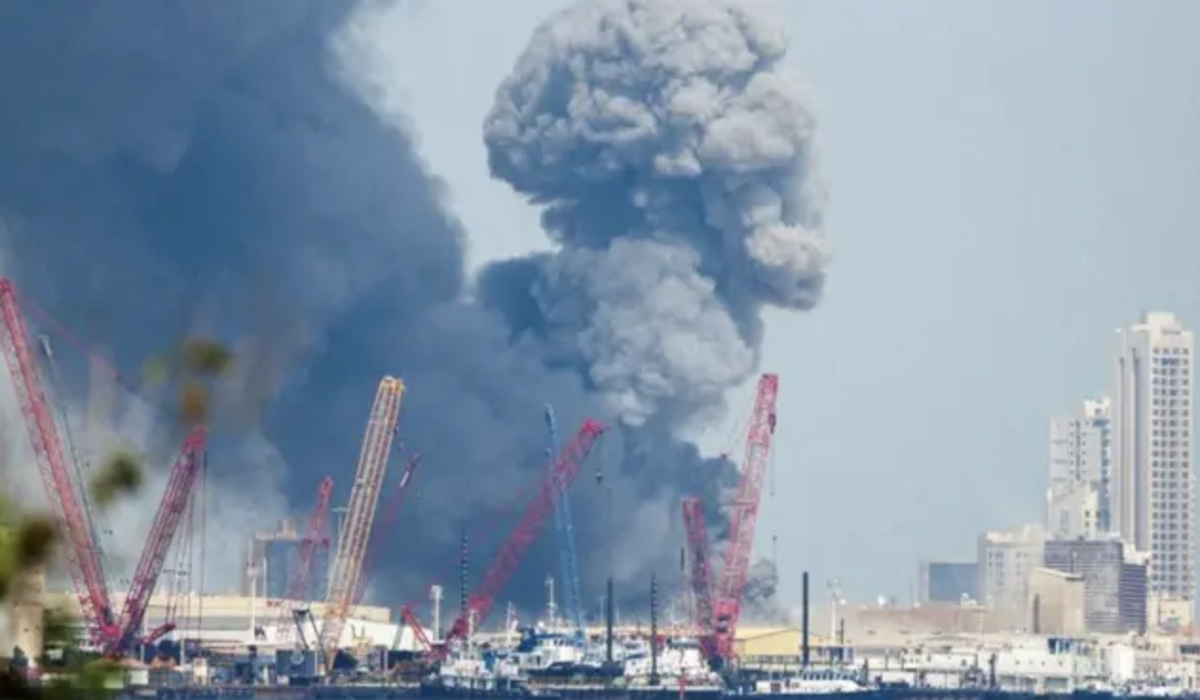
Indonesia’s energy sovereignty is in a precarious position with operational reserves sufficient for only 21 days of consumption. This critical situation comes amid escalating armed conflict between Iran, the United States and Israel that began on 28 February.
Indonesia faces a substantial paradox: whilst ranking first globally in nickel production and fifth in copper, its oil and gas reserves represent merely 0.2% of world reserves. According to Bisman Bakhtiar, Executive Director of the Centre for Energy and Mining Law Studies (Pushep), the 21-day reserves constitute only commercial operational reserves held by PT Pertamina, not strategic state reserves managed directly by the government.
The country confronts a dangerous divergence with domestic oil and gas production declining 2% annually whilst consumption surges 3% yearly. Current national oil production—between 500,000 and 600,000 barrels daily—falls dramatically short of demand reaching 1.5 to 1.6 million barrels daily, according to Muhammad Jusrianto, Executive Director of Reform Syndicate. This acute import dependency is compounded by commitments under the US-Indonesia Agreement on Reciprocal Trade (ART) to purchase energy valued at over US$15 billion, equivalent to more than 200 trillion Rupiah, from the United States.
Energy has transformed into an instrument of global geopolitical control, notes international relations expert Connie Rahakundini Bakrie. Whilst Indonesia possesses potential to become an energy middle power, it must master technology and supply chains, transitioning from downstream processing to full-spectrum resources statecraft.
In response, the National Energy Council (DEN) representative Ramous affirmed government commitment to achieving energy self-sufficiency through four pillars: sovereignty without foreign intervention, resilience, independence and self-sufficiency. The government targets increasing energy resilience from 21 days to at least 30 days or three months through establishing energy buffer reserves and strengthening storage infrastructure.
Strategic initiatives include enhanced oil and gas production, converting coal to dimethyl ether (DME) as liquefied petroleum gas substitute, and promoting renewable energy to 72% by 2060 to achieve net zero emission targets. Energy sector governance reform and subsidy restructuring are urgent priorities. Teddy Putra, Founder of the Young Intellectuals Network, urges converting commodity subsidies to direct cash transfers to eliminate rent-seeking practices in the energy sector.
Oil and gas investment for 2026 reaches US$16 billion, approximately 266 trillion Rupiah. Finance Minister Purbaya Yudhi Sadewa emphasised maintaining competitive pricing for gas produced by Inpex at the Masela Block. Pertamina Upstream Rokan’s pioneering application of multistage fracturing technology represents an important breakthrough in boosting oil production, whilst PT Pertamina Hulu Sanga Sanga achieved a first with innovative Pertamina Slim & Trough Tubing ESP Pump technology.