
Indonesia's Energy Ministry Uses Oil Price Surge as Momentum for Energy Transition
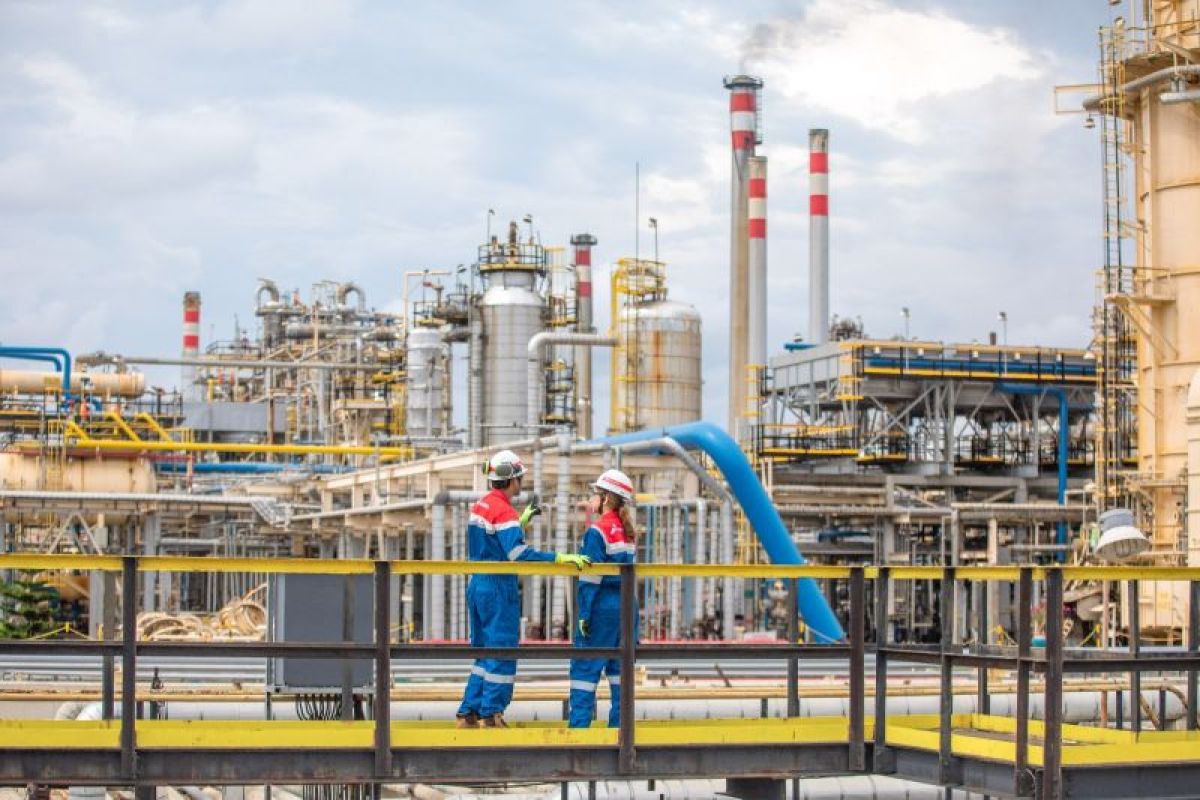
Jakarta — Indonesia’s Ministry of Energy and Mineral Resources (ESDM) is seising the surge in global oil prices resulting from the US-Israel conflict with Iran as an opportunity to accelerate its energy transition agenda.
“This is a momentum for the government to continue accelerating the development of new renewable energy,” said ESDM Spokesperson Dwi Anggia when contacted by ANTARA from Jakarta on Monday.
According to reports from Sputnik, Brent crude oil prices reached 118 US dollars per barrel for the first time since 17 June 2022. This represents a significant increase compared to January 2026 average prices, where Brent (ICE) stood at 64 US dollars per barrel and US WTI at 57.87 US dollars per barrel.
Anggia noted that current global oil price dynamics serve as a reminder to ESDM that energy security cannot rely solely on a single energy source. Consequently, the ministry will accelerate the development of solar power plants (PLTS), geothermal power plants (PLTP), hydroelectric power plants (PLTA), and bioenergy facilities.
The government continues to monitor geopolitical developments affecting commodity prices such as crude oil. The ministry’s immediate priority is maintaining domestic energy stability. ESDM has prepared various scenarios to safeguard national energy security, including diversifying imports away from the Middle East to countries not dependent on the Strait of Hormuz.
“However, amid global oil price dynamics, this also has positive impacts on non-tax government revenue from the oil and gas sector, since we also have domestic production above 600,000 barrels per day,” Anggia stated.
Regional tensions escalated when the US and Israel launched a major offensive against Iran on 28 February, which has reportedly killed over 1,000 people, including Iran’s Supreme Leader Ali Khamenei, more than 150 schoolgirls, and several senior military officials.
Iran retaliated with a series of massive attacks targeting US military bases, diplomatic facilities, and personnel throughout the region, as well as several Israeli cities. Attacks have continued to intensify.
On Sunday (8 March), the US and Israel conducted airstrikes targeting Iranian oil storage facilities in Tehran and surrounding areas. The attacks caused severe damage to multiple storage facilities, including the Shahran Oil Depot, sending global oil prices soaring past 100 US dollars per barrel.