
Indonesia's Electronic Wallet Market Increasingly Opening Up
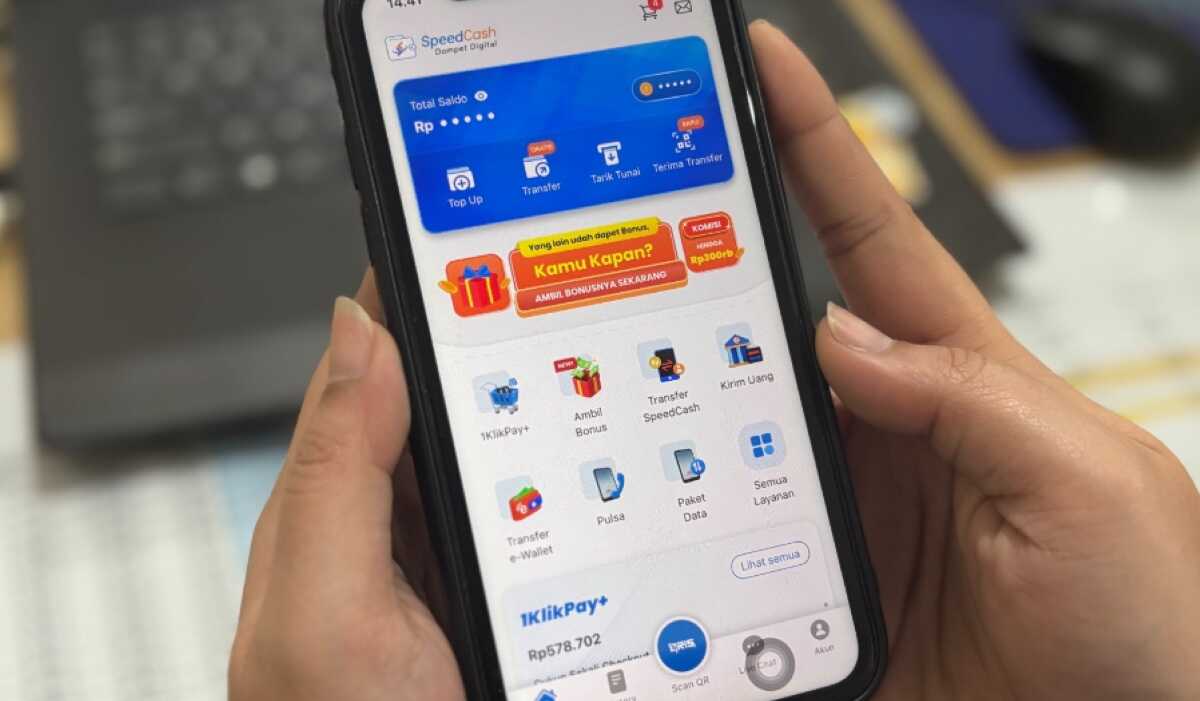
Indonesia’s electronic wallet (e-wallet) sector, traditionally perceived as dominated by a handful of major players, is experiencing a notable shift in market dynamics. SpeedCash, a formally licensed e-wallet operating under Bank Indonesia’s supervision, has recorded more than 3.5 million registered users with a 140% increase in active users and transaction frequency nearly tripling in recent months.
According to Adigdha, SpeedCash’s Director, “The market no longer focuses solely on visibility but on who can build sustainable recurring transaction volumes,” indicating a maturing competitive environment.
This surge has been primarily driven by increased adoption of QRIS payments across various merchants, QRIS transfers, inter-bank transfers, real-time e-wallet transfers, cash withdrawals, and retail transactions through the national network. SpeedCash’s integration into various digital service ecosystems and community distribution networks has further strengthened sustainable transaction volumes.
These developments suggest that Indonesia’s e-wallet competitive structure is moving towards a more rational phase. Users increasingly prioritise system stability, payment method flexibility, and cross-channel interoperability when selecting platforms. As a Category I Payment Service Provider (PJP), SpeedCash has established regulatory compliance and infrastructure resilience as the foundation for growth.
Industry analysts view the triple-digit growth achieved within a short period as a signal that competition in Indonesia’s e-wallet sector is opening up more significantly. This competitive landscape includes ShopeePay, GoPay, DANA, and OVO, with various operators excelling in different key performance indicators.
Financial inclusion is accelerating this growth trajectory. The OJK’s 2025 National Financial Literacy and Inclusion Survey reveals that Gen Z’s financial literacy index has reached 73.26%, whilst the national financial inclusion index has surged to 80.51%. Younger generations increasingly view savings and payments not as separate activities but as a single integrated digital ecosystem, driving demand for e-wallet services during high-transaction periods such as Ramadan when digital payments for transportation, shopping, and business activities surge significantly.