
Indonesia's Electric Vehicle Adoption Slow? Incentives Alone Aren't Enough!
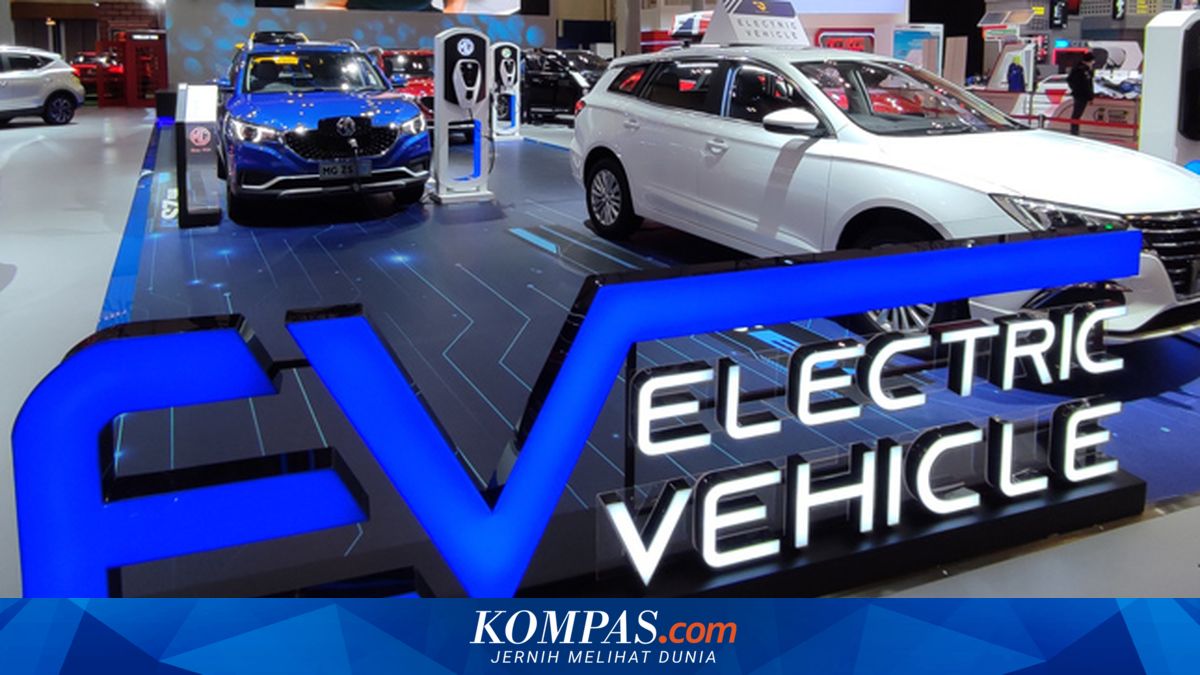
JAKARTA – Efforts to accelerate the adoption of electric vehicles in Indonesia are deemed insufficient to provide a strong impetus. Although the government has rolled out various fiscal incentives, the shift from fuel-based vehicles to electric vehicles (EVs) is progressing relatively slowly. Andry Satrio Nugroho, Head of Industry, Trade, and Investment at INDEF, assesses that current policies tend to be one-sided. The government focuses on incentives for electric vehicles but has not balanced them with disincentives for conventional fuel-based vehicles. According to Andry, the absence of such disincentives means the public lacks a strong push to switch to electric vehicles. In the current situation, fuel vehicles still feel equally “comfortable” to use, both in terms of cost and ease of access. “If we talk about fiscal incentives, they have already been provided. But the challenge now is how other instruments, including disincentives for fuel vehicles, can help drive the transition,” he said in Jakarta on Wednesday (8/4/2026). He explained that in many other countries, energy transition policies do not rely solely on incentives but also on restrictions or tightening measures against conventional vehicles. This is done to bring about faster changes in consumer behaviour. Additionally, non-fiscal incentives are also seen as unevenly distributed. On the other hand, the growth of electric vehicles in recent years has shown a significant trend. From 2022 to 2025, the volume increased rapidly with a surge of around 141 per cent, driven by various fiscal incentives. However, the government targets approximately 2 million electric cars and up to 13 million electric two-wheeled vehicles to be operational by 2030, as part of efforts to achieve net zero emissions (NZE). Yet, the current growth rate is still not in line with expectations. Andry emphasised that moving forward, a more comprehensive policy combination is needed. Not only fiscal incentives, but also strengthening non-fiscal incentives, implementing disincentives for fuel vehicles, and cross-sector collaboration to ensure the electric vehicle ecosystem can grow faster and more evenly across Indonesia.