
Indonesia's Dilemma in the Global Peacekeeping Mission
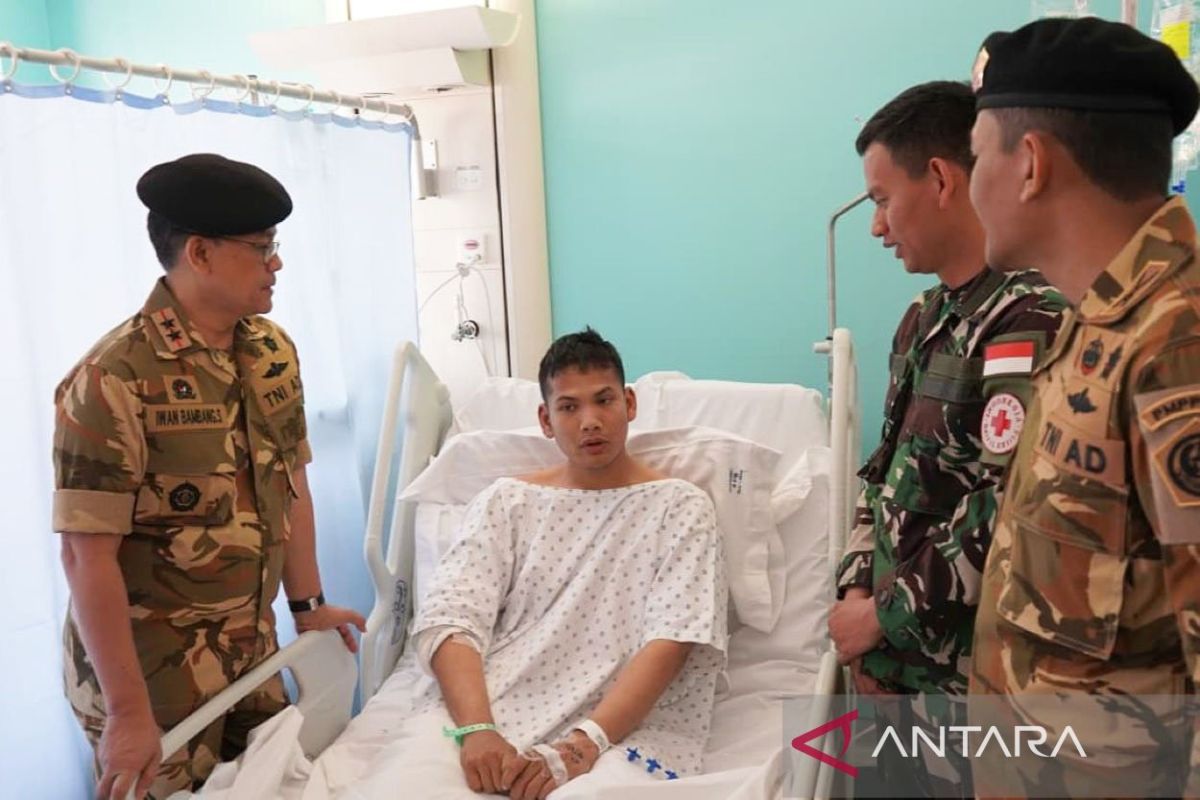
Jakarta (ANTARA) - Three Indonesian National Armed Forces (TNI) soldiers attached to the United Nations Interim Force in Lebanon (UNIFIL) mission were reported killed in two separate incidents in southern Lebanon, following the escalation of conflict in the region at the end of March 2026.
Sergeant Major (Praka) Farizal Rhomadhon was killed on Sunday (29/3/2026). He became a victim of indirect artillery fire that struck the area around the Indonesian contingent’s position in the Adchit al-Qusayr region, southern Lebanon.
The situation in the area has been reported as increasingly unstable in recent weeks. The intensity of firefights and artillery attacks has risen amid the escalation of conflict between the Israel Defense Forces (IDF) and armed groups in southern Lebanon, which often involves cross-border attacks.
The following day, on Monday (30/3/2026), two other TNI soldiers became victims. They were Captain (Inf) Zulmi Aditya Iskandar and Sergeant First Class (Sertu) Muhammad Nur Ichwan. Both were killed after an explosion struck a UNIFIL logistics convoy near Bani Hayyan, southern Lebanon.
To date, the exact cause of the explosion is still under investigation. Initial reports suggest the possibility of explosives on the convoy route, but there has been no official confirmation regarding the party responsible for the incident.
The Indonesian government, through the Ministry of Foreign Affairs and TNI Headquarters, has expressed deep condolences over the deaths of the three soldiers. In addition, Indonesia has urged a thorough investigation to establish the chronology of events and ensure the safety of peacekeeping personnel in the field.
The incident involving the Indonesian contingent underscores the complexity of peacekeeping missions in active conflict zones, where international forces continue to face serious threats despite their neutral status.
Major Contributor
The Indonesian contingent is one of the largest contributors to the UNIFIL mission, with hundreds of personnel deployed in various strategic sectors in southern Lebanon. Their primary tasks include monitoring ceasefires, patrolling areas, and protecting civilians, in accordance with the United Nations (UN) mandate.
There is a particular sense of pride when the Red and White flag flies in the field of conflict. In diplomatic terms, Indonesia’s presence can be described as a contribution to world peace. In simpler language, it is Indonesia’s way of saying: we care.
Emphatically, Indonesia wants to be known as a nation that brings calm, not turmoil. Nevertheless, this carries no light consequences.
How could it not? There are families waiting at home, with a simple hope: that the head of the family returns safely. There are children who may not yet fully understand the meaning of their father’s duty. And there is grief that never truly ends.