
Indonesia's Central Bank Changes Foreign Exchange Transaction Rules from April 2026
Jakarta — Bank Indonesia (BI) is changing foreign exchange (forex) transaction regulations effective April 2026 to maintain the stability of the rupiah exchange rate.
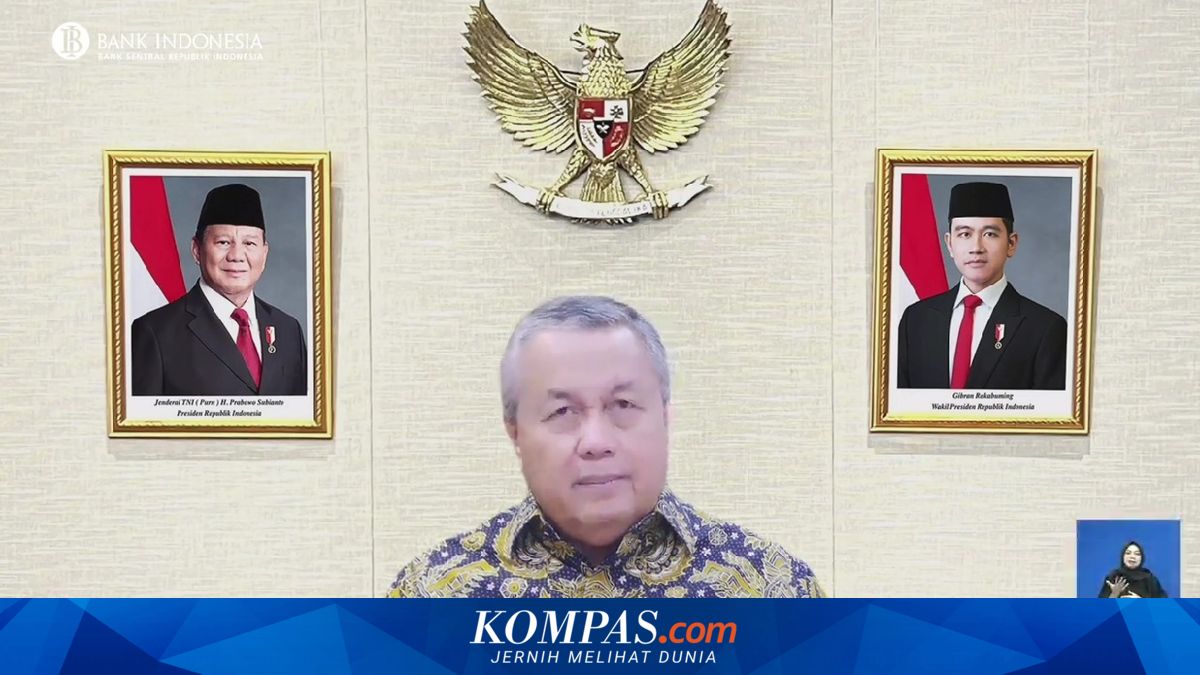
BI Governor Perry Warjiyo announced that the central bank will lower the threshold for foreign currency purchases against the rupiah from the previous USD 100,000 to USD 50,000 per actor per month.
Additionally, BI is relaxing the transaction threshold for selling Domestic Non-Deliverable Forward (DNDF) contracts by raising it from USD 5 million to USD 10 million per transaction.
Similar policy adjustments will also apply to swap transactions. BI is increasing the purchase and sale limits for swap transactions from USD 5 million to USD 10 million per transaction.
“The strengthening of forex market transaction policies will take effect in April 2026 to support the stability of the rupiah exchange rate,” Warjiyo stated during a press conference on Tuesday 17 March 2026.
Adjustments to foreign exchange regulations will also begin in April 2026.
According to Perry, the combination of tightening and relaxation measures in forex market transactions has been implemented to maintain rupiah exchange rate stability and support economic growth.
The rupiah exchange rate has weakened against the US dollar. BI recorded the rupiah weakening by 1.29 percentage points to 16,985 per US dollar on 16 March 2026 compared to the end of February 2026.
The rupiah weakness is in line with depreciation of non-dollar currencies globally. This condition stems from deteriorating global circumstances resulting from Middle East tensions.
“The worsening global conditions due to Middle East conflict have impacted exchange rate weakness and capital outflows from emerging market countries, including Indonesia,” he explained.
“BI is confident that the rupiah exchange rate will stabilise, supported by BI’s commitment, attractive returns, and Indonesia’s strong economic growth prospects,” he added.