
Indonesia's Budget Tested Amid Iran vs US-Israel Conflict
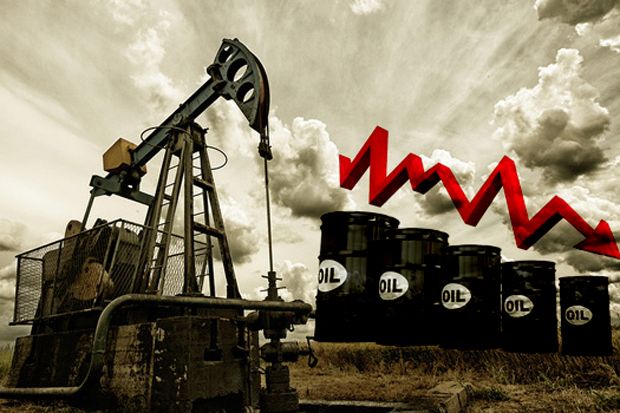
Jakarta – The Middle East conflict between the United States, Israel, and Iran has triggered a surge in global oil prices and strained Indonesia’s state budget (APBN). The price of West Texas Intermediate (WTI) crude oil reached US$100 per barrel in early March 2026, affecting APBN deficit calculations.
“Each US$1 per barrel increase in crude oil prices adds Rp10.3 trillion to energy subsidy expenditure, but also raises government revenues by Rp3.5 trillion. This means the budget deficit increases by approximately Rp6.8 trillion per dollar of oil price rise,” said Christiantoko, Executive Director of the Next Indonesia Center, in Jakarta on Sunday 15 March 2026.
A simulation by the Next Indonesia Center indicates that if the conflict continues for six months and oil prices rise by an average of 21.66% from the 2026 budget assumption of US$70 per barrel, oil prices could reach US$85.2 per barrel. Under these conditions, the APBN deficit could increase from Rp689.2 trillion to Rp740.7 trillion, or 2.88% of GDP. “This deficit remains below the 3% maximum limit set by the State Finance Law, but it requires caution if prices rise 35%,” Christiantoko added.
To safeguard budget resilience, Christiantoko recommended efficiency in government ministry and agency expenditure not directly serving the public. Goods and services spending, which has risen to Rp141.8 trillion, should become a focus for cost savings. Energy subsidy reform is also pressing, as current fuel oil and liquefied petroleum gas subsidies largely benefit high-income groups. “The potential for better-targeted subsidy reallocation reaches Rp133.5 trillion, which could strengthen the APBN,” he said.
Additionally, leveraging state investments through state-owned enterprises and investment management bodies such as Danantara can create stable additional revenue sources. Singapore’s Net Investment Returns Contribution (NIRC) model could serve as a reference for mitigating the impact of global energy price fluctuations.
Christiantoko also emphasised the importance of public confidence. “The government must demonstrate a willingness to share the burden, such as cutting official facilities, enforcing anti-corruption laws, and implementing fair policies. Strong public support will help maintain national economic stability amid global pressures,” he explained.
With strategies centred on expenditure efficiency, subsidy reform, and enhanced use of state investments, Indonesia’s budget is expected to withstand shocks from global energy prices whilst maintaining public trust in government fiscal policy.