
Indonesia’s BRIN pushes major higher education curriculum overhaul
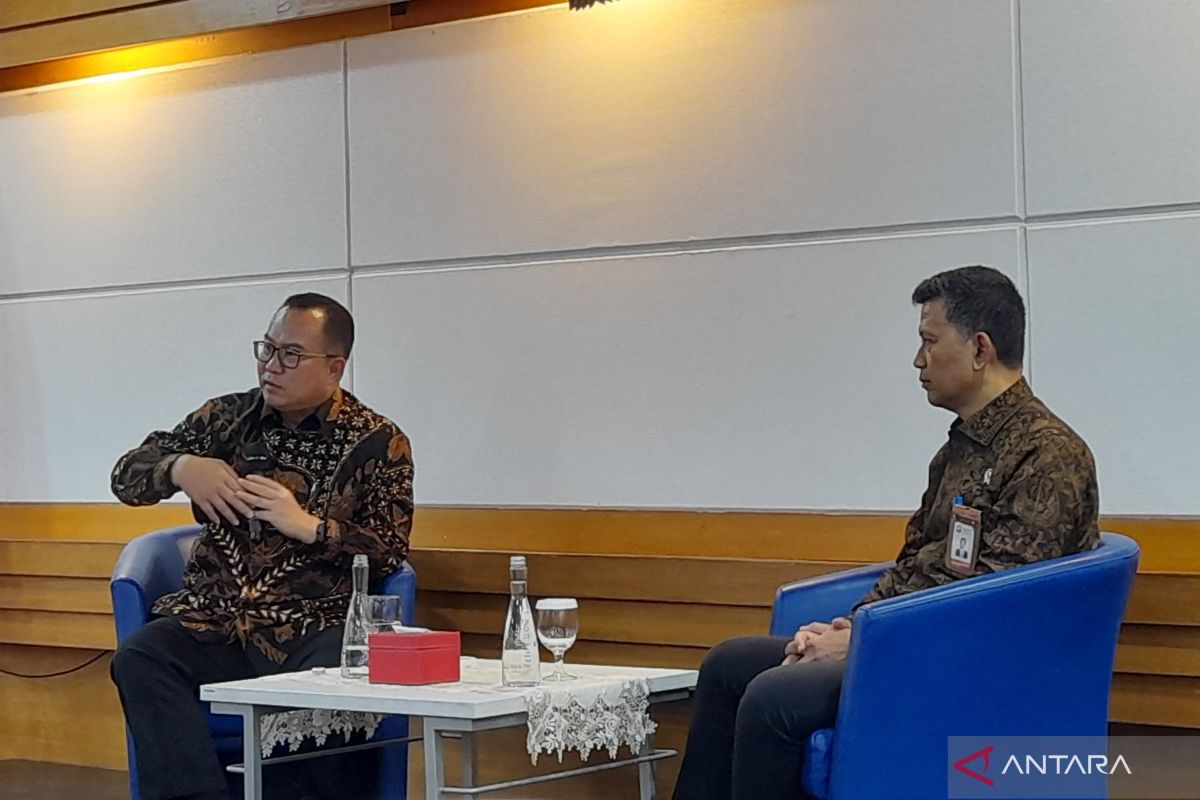
Higher education has often been slow to respond to these needs, prompting industries to develop their own training programs,Jakarta (ANTARA) - Head of the National Research and Innovation Agency (BRIN) Arif Satria emphasized that the plan to close study programs deemed irrelevant to industry needs must be accompanied by curriculum transformation.
“The skills we teach students today, when they enter university, may only remain about 60 percent relevant five years later. That means by the time they graduate, much of their knowledge is no longer applicable,” he said here on Tuesday.
He warned that without reforming higher education curricula, students will struggle to adapt to evolving industrial and workplace demands.
Satria noted that the initiative introduced by Minister of Higher Education, Science, and Technology Brian Yuliarto is part of efforts to ensure Indonesia’s higher education system does not fall behind rapid industrial development.
He said that if Indonesia fails to produce reliable human resources, it risks losing competitiveness.
Universities, he added, are now developing micro-credential systems that recognize learning in smaller, modular formats focused on specific skills and industry needs, typically completed within weeks or months.
“Micro-credentials are becoming increasingly important. They help students stay updated with the latest knowledge and theories relevant to industry demands, especially in multinational companies. Higher education has often been slow to respond to these needs, prompting industries to develop their own training programs,” he said.
Unlike undergraduate degrees, which are broad and take around four years to complete, micro-credentials are more targeted and designed to deliver job-ready skills.
For many professionals, such certifications are increasingly considered more valuable than formal degrees.
Satria also stressed the importance of fostering a lifelong learning mindset to produce adaptive graduates capable of navigating an uncertain and rapidly changing world.
“With a learning mindset, individuals will continue to adapt in any situation,” he said.
Related news: Deadly Bekasi train crash spurs BRIN rail safety research
Translator: Lintang, Kenzu