
Indonesia's Bitter Vegetable in High Demand Abroad
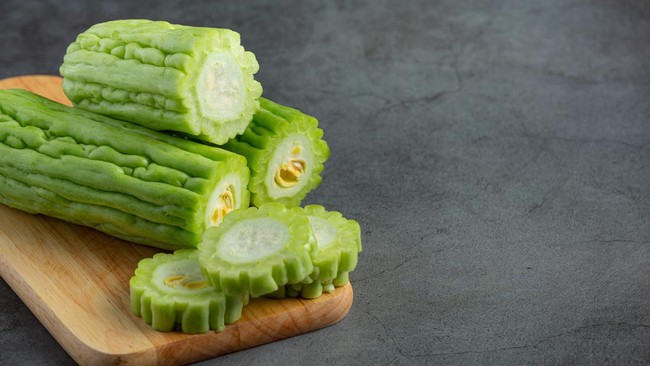
Bitter gourd, a vegetable characterised by its distinctive bitter taste known as pare or paria, is certainly not favoured by many people due to its flavour. This vegetable, which is the ‘enemy’ of children, has instead become a star in the export markets of Southeast Asia and the Middle East. Evidence of this is that Singapore to Saudi Arabia compete to absorb Indonesia’s pare supply every year.
The value of pare exports has shown robust performance over the last five years. The value has continuously risen since 2020, even peaking in 2023. Data from the Central Statistics Agency, processed by the PDSI of the Ministry of Trade, records that in 2023, the value of Indonesia’s pare exports reached US$1.94 million, with a volume of 1,646 tonnes, the highest record in the history of pare exports. This volume even surpassed the previous year’s exports of only 944 tonnes.
However, in 2024, pare exports began to experience a correction. The value dropped to US$1.33 million, although the volume remained high at 1,243 tonnes. This correction could be due to price pressures in the export market or increased local supply in destination countries.
Geographically, Singapore is the main buyer of Indonesian pare. In 2023, the Lion City absorbed pare worth US$1.46 million, or about 75% of Indonesia’s total export value.
Not only Singapore, Saudi Arabia and Taiwan are also recorded as regular consumers of Indonesian pare, especially for the needs of Asian communities and traditional medicine.
Demand for pare is seasonal and very specific, depending on diaspora communities and fluctuating healthy consumption trends in each country.
Pare is known in various traditional medicines as a natural ingredient for lowering blood sugar, balancing hormones, and a strong antioxidant. In Ayurveda and Chinese medicine, pare is often used to help detoxify the body.
Now, trends in healthy food and plant-based remedies are pushing pare onto the global stage. Amid the rise of metabolic diseases like diabetes, the world is starting to look back at natural herbal ingredients.
In some countries, pare is sold in fresh, powder, or capsule forms. Indonesia itself has an advantage because it can supply large quantities of fresh pare at competitive prices.
Although export figures continue to grow, Indonesia’s pare potential is still not fully exploited. The 2024 export volume declined compared to 2023, and there are indications that export selling prices are starting to be pressured.
This opportunity can be maximised if the government and business players promote diversification of processed pare products and strengthen the post-harvest supply chain, such as cooling and packaging.