
Indonesia's Betel Leaves Sought After by China and India: What Makes Them Special?
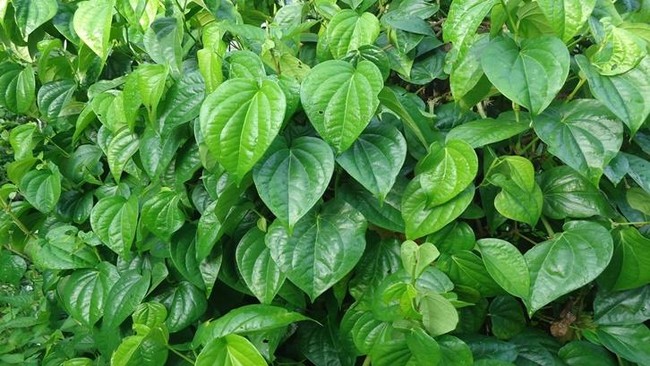
Jakarta, CNBCIndonesia - Betel leaves do not only thrive in home yards but can also become one of the export commodities that reflect the great potential of the medicinal plants and spices sector in the archipelago.
Betel leaves have long been an important part of Indonesian society. Besides being known as a symbol of tradition in various customary ceremonies, betel leaves also have economic value that cannot be ignored.
Botanically, betel (Piper betle L.) belongs to the Piperaceae family, which grows as a climber with woody stems and heart-shaped leaves. Betel is known for its high natural antiseptic content, making it a main ingredient in health products, cosmetics, and traditional medicines.
In recent years, the global pharmaceutical and beauty industries have begun to take notice of betel leaves as a natural active ingredient for oral care, skin care, and women’s health products.
The uses of betel are not limited to traditional medicine. The phenol and eugenol content in it has been proven to combat bacteria and fungi.
In the modern world, betel leaf extract is used for antiseptics, mouthwashes, and natural disinfectants. Even in India and China, betel is used in the herbal perfume industry because of its distinctive fresh and sharp aroma. With the global trend towards natural ingredients, world demand for betel leaves is increasing.
In Indonesia, betel plants are widely cultivated in humid and tropical areas. The main centres for betel leaf production are in Central Java, East Java, and West Sumatra.
These areas have humidity and fertile soil that support optimal betel growth. In addition, betel is also being developed in areas of Kalimantan and Sulawesi due to the continuously increasing market demand, both for local needs and exports.
The method of planting betel is relatively easy, making it a potential people’s crop. Betel seedlings are usually propagated by stem cuttings, then planted in land with climbing poles such as bamboo or other trees. This plant requires regular watering and a shaded place with indirect sunlight. Within 6-8 months, betel can be harvested, and the leaves can be picked every week during the productive period.
From a trade perspective, Indonesian betel leaves are recorded to continuously contribute to the export market under HS code 14049092.
According to satudata from the Ministry of Trade for the period October 2024 to October 2025, the export value of betel leaves reached US$4.605 million or approximately Rp79 billion (US$1=Rp16,990).
This value is down compared to the previous period of US$11.81 million. Annually, exports of this commodity experienced a decline of around -60.99% (YoY), indicating pressure on demand from some major destination countries.
India remains the largest importer of betel leaves from Indonesia. Over that period, exports to India reached US$1.95 million, although it fell significantly by 71.76% compared to the previous year.
In second place is China with an export value of US$0.97 million, followed by Japan at US$0.64 million and Thailand at US$0.32 million. European countries such as the Netherlands and Germany are also recorded as potential markets, with export values of US$0.18 million and US$0.16 million respectively.
Historically, Indonesia’s betel leaf exports show quite sharp fluctuations. Based on the last five years of data, the highest export value was recorded in 2021 at US$12.9 million, while in 2023 it fell to US$8.5 million. In 2024, it showed a slight improvement to US$10.43 million, but still unable to match pre-pandemic performance.
The declining export trend this year is largely due to weakening demand from India and China, two countries that have been the main buyers of betel for pharmaceutical and customary ceremony needs.
Other factors influencing this include the increase in export quality standards and mandatory fumigation processes required in some destination countries.
Although declining, the market opportunities for Indonesian betel leaves remain wide open. Demand from developed countries for natural raw materials continues to increase, especially in the personal care and herbal medicine sectors. Derivative products such as betel oil, liquid extract, and betel powder have the potential to become high value-added export alternatives.