
Indonesia’s 8% Ride-Hailing Fee Cap Must Not Burden Consumers
Indonesia’s 8% Ride-Hailing Fee Cap Must Not Burden Consumers
Reporter
October 10, 2026 | 05:53 pm
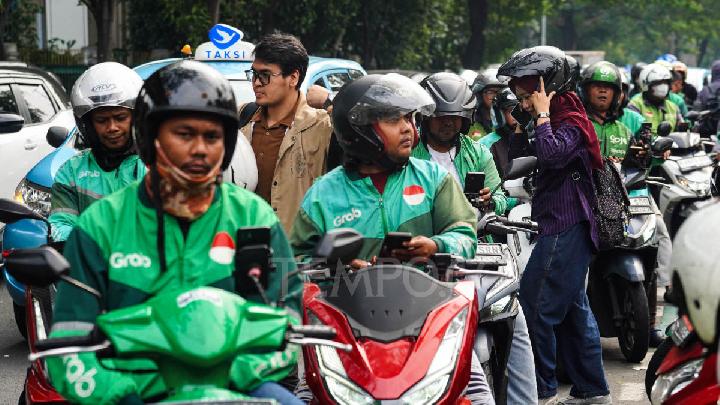
TEMPO.CO, Jakarta - The Indonesian Consumers Foundation (YLKI) has warned that Indonesia’s new regulation capping digital ride-hailing platform fees at 8 percent must not lead to higher fares, additional charges, or lower service quality for consumers.
YLKI Executive Secretary Rio Priambodo said Presidential Regulation No. 27 of 2026 on the Protection of the Digital Platform-Based Transportation Ecosystem must prioritize fairness, transparency, and consumer protection, with effective government oversight to ensure that consumers do not bear the cost of changes to companies’ business models.
“Do not let a policy intended to organize the digital transportation ecosystem create room for additional charges, fare increases, or declining service quality that ultimately harm consumers,” Rio said in a written statement on Saturday, October 10, 2026.
YLKI Warns Against Extra Charges for Consumers
Rio said the government must ensure that the 8 percent platform fee cap does not prompt ride-hailing companies to seek new sources of revenue by introducing additional charges or raising fares.
He warned that companies might respond to potential declines in revenue or profitability by finding new business opportunities that could disadvantage the public.
“Do not let a potential decline in company revenue or profitability due to this policy be met by seeking new business opportunities that harm the public,” he said.
The policy, Rio added, should not make online transportation more expensive or less accessible. Consumers must not be left to bear the consequences of adjustments to companies’ business models.
“Every change in fares or cost components must be transparent, have a clear basis, and not harm consumers,” Rio said.
YLKI Calls for Transparent Fares and Service Protection
YLKI urged the government to monitor the implementation of the fee cap to ensure that it does not lead platform operators to cut investment or lower service standards related to passenger safety, comfort, and security.
Rio said business adjustments and operational efficiency measures should not be used as excuses to reduce service quality, weaken complaint-handling systems, or neglect consumer protection.
“Business efficiency is the responsibility of companies and must not come at the expense of consumers’ basic rights,” he said.
YLKI also called for consumer representatives to be involved in discussions on online transportation fares. Rio said fare policies should balance the interests of businesses and drivers with affordable services and the public’s ability to access ride-hailing transportation.
“Consumer involvement is important so that fare policies do not become merely a negotiating space between the government and businesses, but also take into account the interests of the people who use and pay for these services,” he said.
The foundation also urged platform providers to disclose their fare components clearly. Rio said transparent pricing would help consumers understand what they pay for and allow the government to monitor companies’ compliance with the regulation.
He called for effective oversight and consistent enforcement, adding that authorities should take clear action against practices that violate the rules or harm consumers.
“The regulation must not remain a rule on paper,” Rio said. He added that the 8 percent cap should improve governance in the online transportation sector rather than create new burdens for consumers.
The government and the House of Representatives announced on Thursday, October 8, that discussions on Presidential Regulation No. 27 of 2026 had been completed.
Deputy House Speaker Sufmi Dasco Ahmad said the regulation followed a lengthy process of synchronization and harmonization to establish a comprehensive framework for the sector.
Deputy State Secretary Minister Bambang Eko said the regulation covers several aspects of digital transportation, including electronic systems, microbusinesses and partnerships, social security, employment, and the issuance of implementing regulations.
Grab and Gojek Respond to the 8 Percent Fee Cap
Grab Indonesia Chief Executive Officer Neneng Goenadi said the company respected the new regulation and would study its provisions to ensure proper implementation and compliance.
Neneng said Grab had applied a maximum 8 percent commission for its two-wheeled passenger transportation service, GrabBike, since July 1, 2026. For food and goods delivery services, the company would follow implementing regulations issued by the relevant ministries.
She added that Grab would continue coordinating with the government and other stakeholders to ensure the policy was implemented effectively and clearly, while considering driver-partner earnings, consumer affordability, and the sustainability of the online transportation ecosystem.
Meanwhile, PT GoTo Gojek Tokopedia Chief Executive Officer Hans Patuwo said the company was committed to complying with the regulation. He said the presidential regulation reinforces the partnership between platform operators and driver-partners, with the Ministry of Micro, Small, and Medium Enterprises overseeing the partnership framework.
Hans said Gojek had implemented an 8 percent revenue-sharing scheme for its two-wheeled passenger service, GoRide, since July 1, 2026. For food and goods delivery services, the company was awaiting implementing regulations from the Ministry of Communication and Digital Affairs.
“We welcome this presidential regulation and are committed to complying with all applicable regulations and working closely with the government to ensure effective implementation,” Hans said.
Read: Indonesia Targets Stablecoin Regulations by Early 2027, OJK Says
Click here to get the latest news updates from Tempo on Google News