
Indonesia's 100 GW Solar Energy Project Could Be Accelerated Through Green Sukuk, Experts Explain
Amid growing investment needs for clean energy to support decarbonisation targets, innovative financing schemes such as green sukuk are considered an important instrument to accelerate solar energy development domestically, particularly in realising the target of building 100 gigawatt (GW) solar energy capacity.
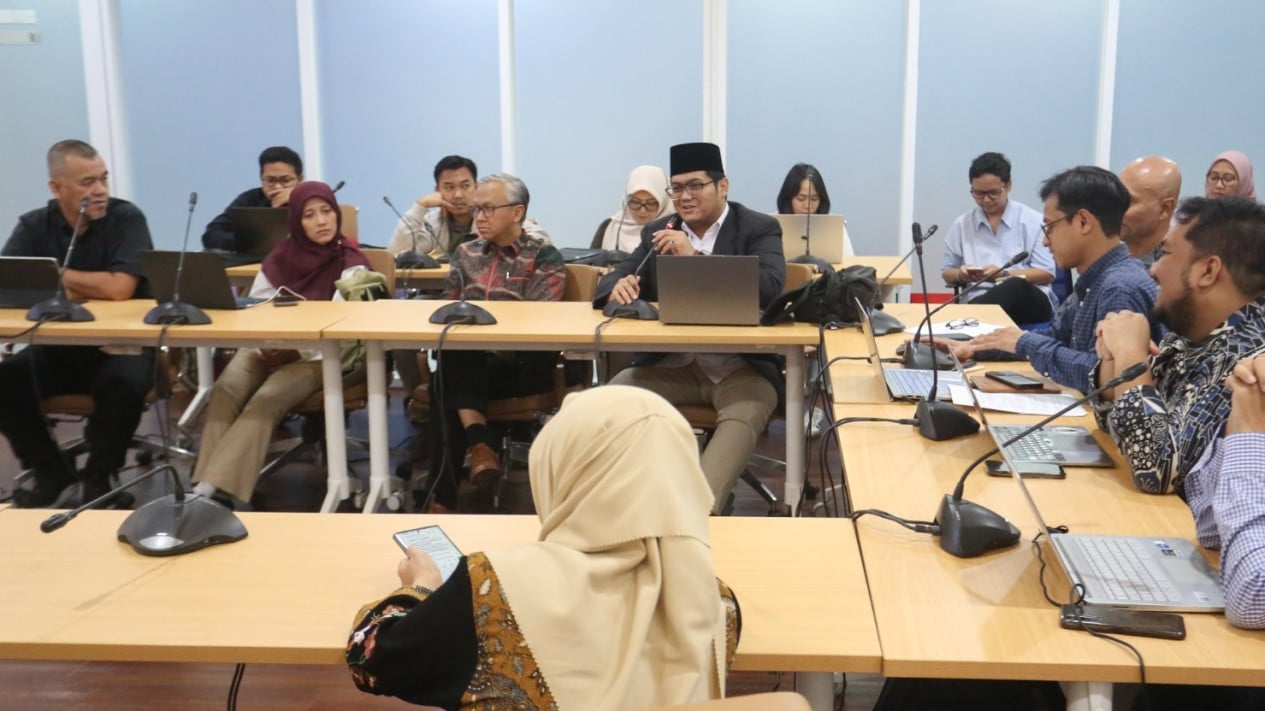
This emerged during a discussion titled “Green Sukuk for Energy Transition: Innovative Financing Model for the 100 GW Solar Energy Programme” in Jakarta on Tuesday. The forum brought together representatives from the Ministry of Finance, Ministry of Religion, the National Committee for Islamic Economy and Finance (KNEKS), the Ministry of Cooperatives and Small and Medium Enterprises, and several other institutions to discuss financing innovation opportunities to accelerate solar energy investment in Indonesia.
Deni Ridwan, Director of Islamic Finance at the Directorate General of Financing and Risk Management (DJPPR) of the Ministry of Finance, said the government continues to optimise various fiscal instruments to drive green economic development, including through the development of Islamic financing instruments.
“The government is endeavouring to optimise various fiscal instruments at its disposal, whether from the revenue, spending, or financing side, to support green economic development and sustainable development targets,” Deni stated on Wednesday, 11 March 2026.
He explained that Indonesia is among the pioneers of green sukuk issuance in the global market. The instrument has been used to finance various environmentally friendly projects, ranging from renewable energy, low-carbon transport, to waste management and sustainable infrastructure development.
According to him, projects supported through green sukuk have also made tangible contributions to efforts to reduce carbon emissions. “Projects supported by green sukuk financing have contributed to reducing carbon emissions by more than 10 million tonnes of CO₂,” Deni said.
Beyond supporting green project financing, green sukuk issuance also opens opportunities to expand the investor base that has attention to environmental, social, and governance (ESG) aspects. Thus, this instrument can become one of the strategic financing sources to support the national energy transition agenda.
Meanwhile, Prof. Waryono Abdul Ghafur, Director of Zakat and Endowments at the Ministry of Religion, assessed that the energy transition agenda is also aligned with religious values.