
Indonesian Workers in the Shadow of Middle East Conflict
Indonesian workers must remain vigilant in monitoring Middle East developments and their potential economic impact on the nation’s industries and employment. Jakarta — Geopolitical developments in the Middle East in recent times have raised concerns that cannot be dismissed lightly.
The conflict between the United States and Israel with Iran has not only created political and military tensions in the region, but also potentially brings far-reaching economic consequences for many countries, including Indonesia.
For observers, the situation feels paradoxical: everyone knows that escalating tensions could have major impacts, yet it is difficult to fully understand how and how quickly these effects will ripple through daily economic life.
For this reason, it is important for Indonesian workers to follow these developments carefully. Workers must not be passive recipients waiting for impacts without understanding what is happening globally. Day after day, week after week, global conflict developments must be monitored collectively.
By understanding the situation, the nation can anticipate potential impacts on industry, employment, and workers’ economic livelihoods.
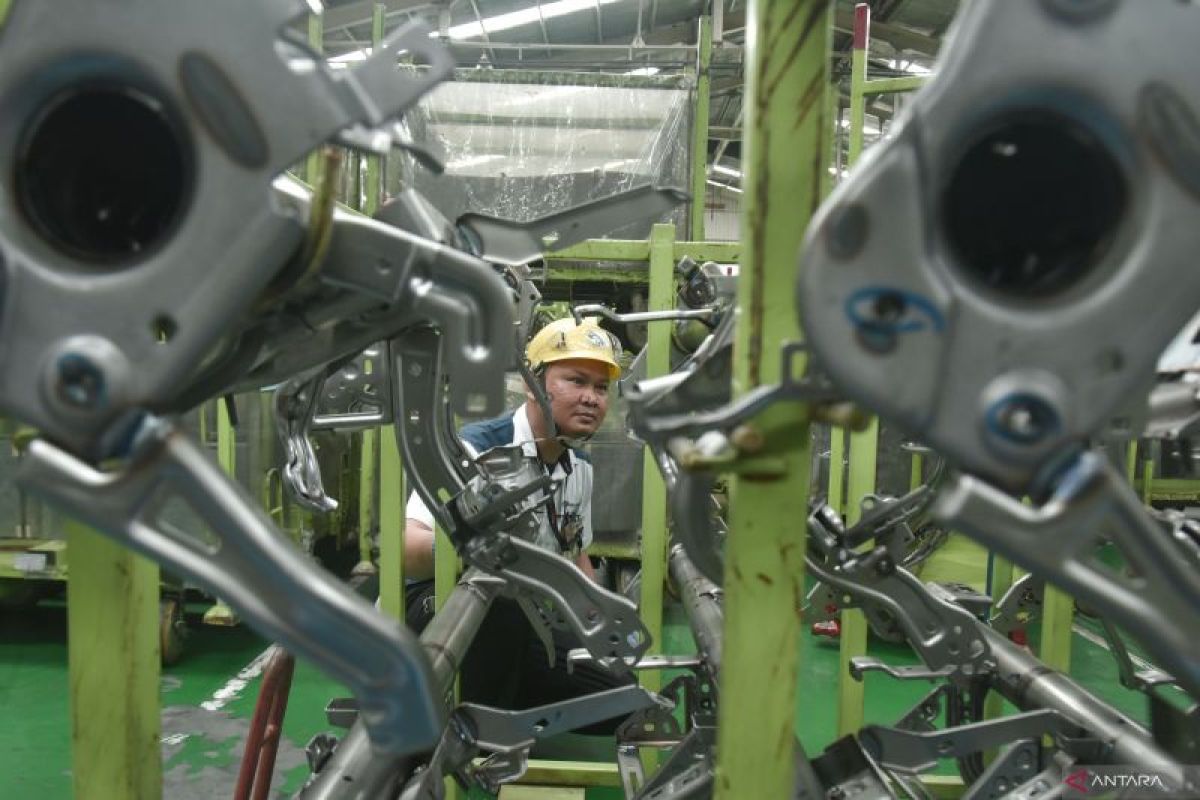
This concern is not groundless. Reports from workers in Indonesia’s automotive sector demonstrate how geopolitical conflicts can directly affect industrial activity.
Indonesia’s automotive industry has a significant export orientation. Approximately 65 per cent of its production is exported to various countries, and of that amount approximately 50 per cent is directed to the Middle East region.
When the export destination region is disrupted by conflict, trade activities also halt. Reports indicate that exports to the Middle East have virtually stopped.
In simple terms, this means approximately 30 per cent of normal production can no longer take place. This is not a negligible figure.
If this condition persists for an extended period, the impact will spread to many aspects, ranging from production cuts to potential job terminations for workers.
This example demonstrates that international conflicts are not always distant. In an interconnected world, impacts can be directly felt by workers domestically.
Even a single sector alone can demonstrate potential impacts that are quite substantial. If the conflict lasts longer, other sectors could also be affected.